What “Rumi” meant in his world
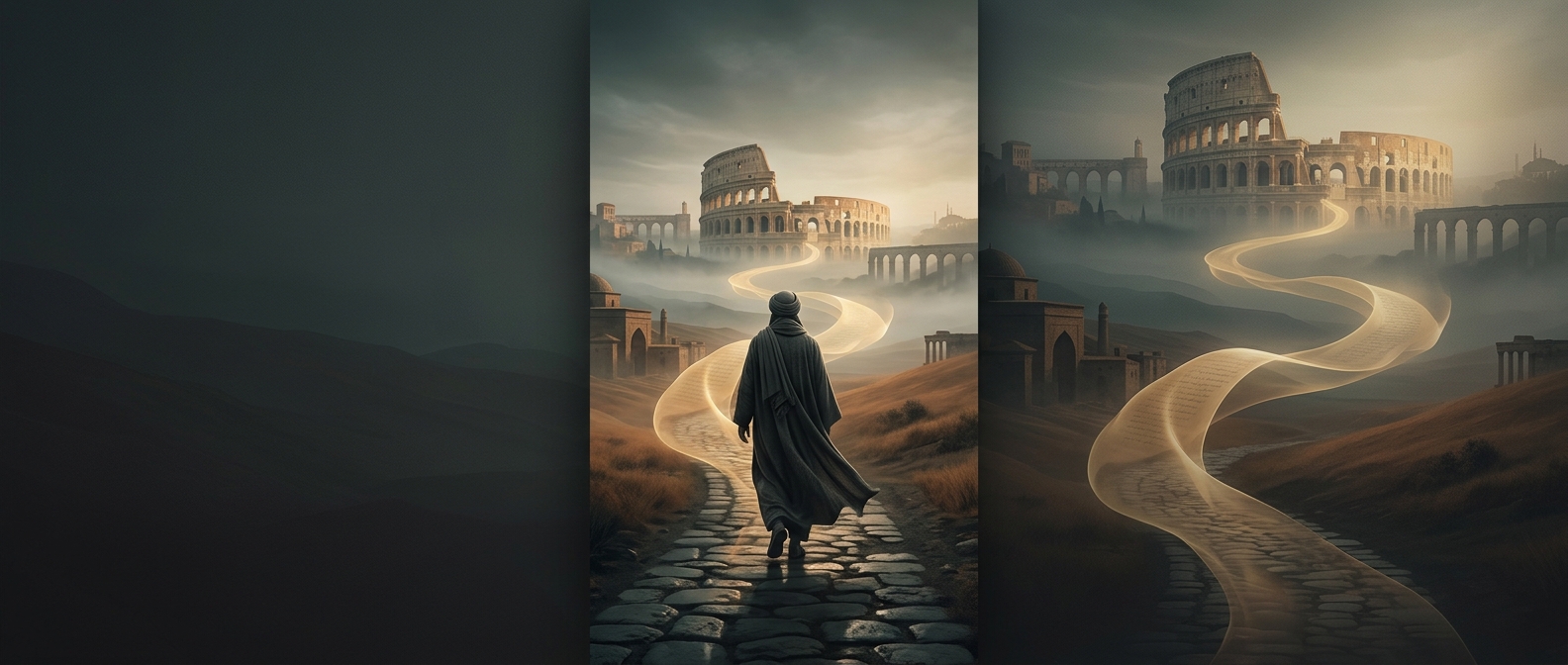
“Rumi” comes from Rum, an Arabic and Persian name for the lands associated with the Romans—especially the eastern Roman, or Byzantine, territories. In medieval usage, it did not necessarily mean the city of Rome. Anatolia, where the poet Jalal al-Din Muhammad lived for much of his life, was widely known as Rum.
A name tied to place
Jalal al-Din was born far to the east, in Balkh, and later settled in Konya, in present-day Turkey. The region had been part of the Byzantine Empire before Seljuk rule; the Seljuk state there was itself called the Sultanate of Rum. Calling him “Rumi” therefore marked his association with Anatolia—the land of Rum—rather than claiming that he came from Rome itself.
The name is a compact trace of the region’s layered history: a Persian-speaking Muslim poet became known by a label inherited from the older Roman-Byzantine geography of the place he called home.