Why Hyperion’s coordinates matter
A giant tree can look sturdy while the ground around it is vulnerable. Coast redwoods anchor themselves with broad, relatively shallow root systems. These roots spread through the upper soil and often mingle with those of nearby trees, rather than plunging deep like a single underground pillar.
That arrangement helps redwoods stand tall, but it also makes the forest floor important. Repeated footsteps can press soil together, reducing the air and water that roots and other plants need. Visitors who push through brush can also break young growth and wear a footpath into the forest. The harm comes not from one curious person, but from many people following the same route.
Secrecy as a form of protection
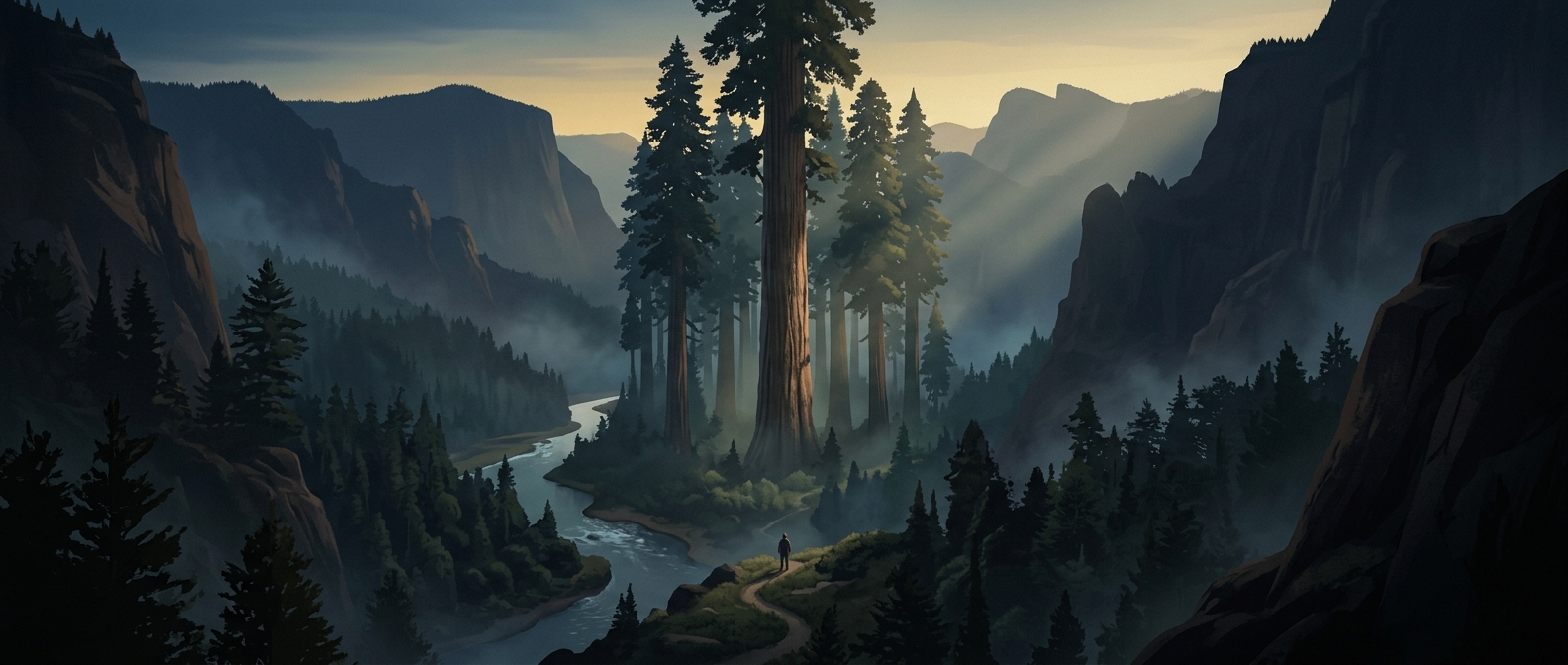
Hyperion stands in Redwood National Park, where the surrounding forest is more than scenery: it is part of the tree’s living environment. Keeping its precise location out of public directions makes it harder for a sudden surge of visitors to create a trail to its base. It also avoids turning a fragile patch of forest into a destination that requires signs, paths, or other infrastructure.
The tradeoff is deliberate: people can know that the world’s tallest known living tree exists without being guided to stand beside it. For a tree whose survival depends on the quiet conditions around its roots, not being a spectacle on the ground may be a more useful kind of recognition.