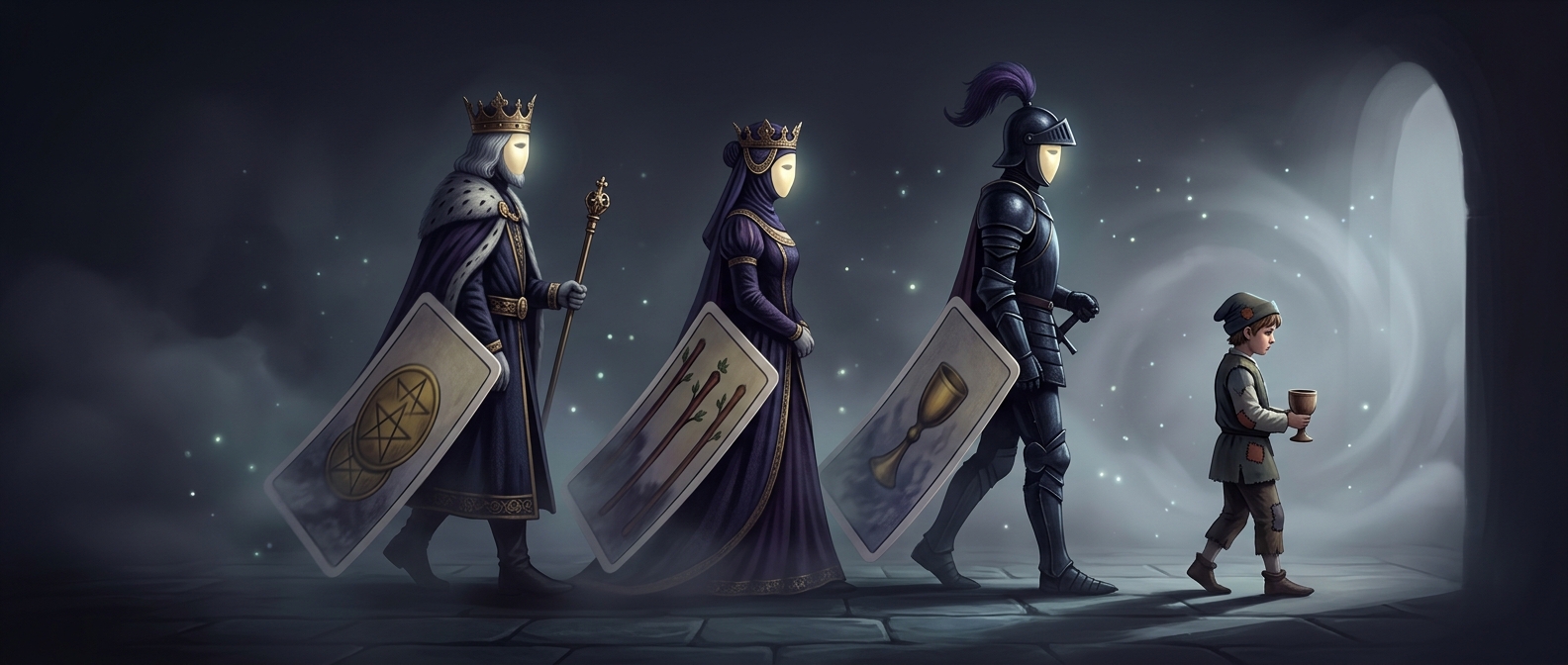
The World’s place at the end of the sequence
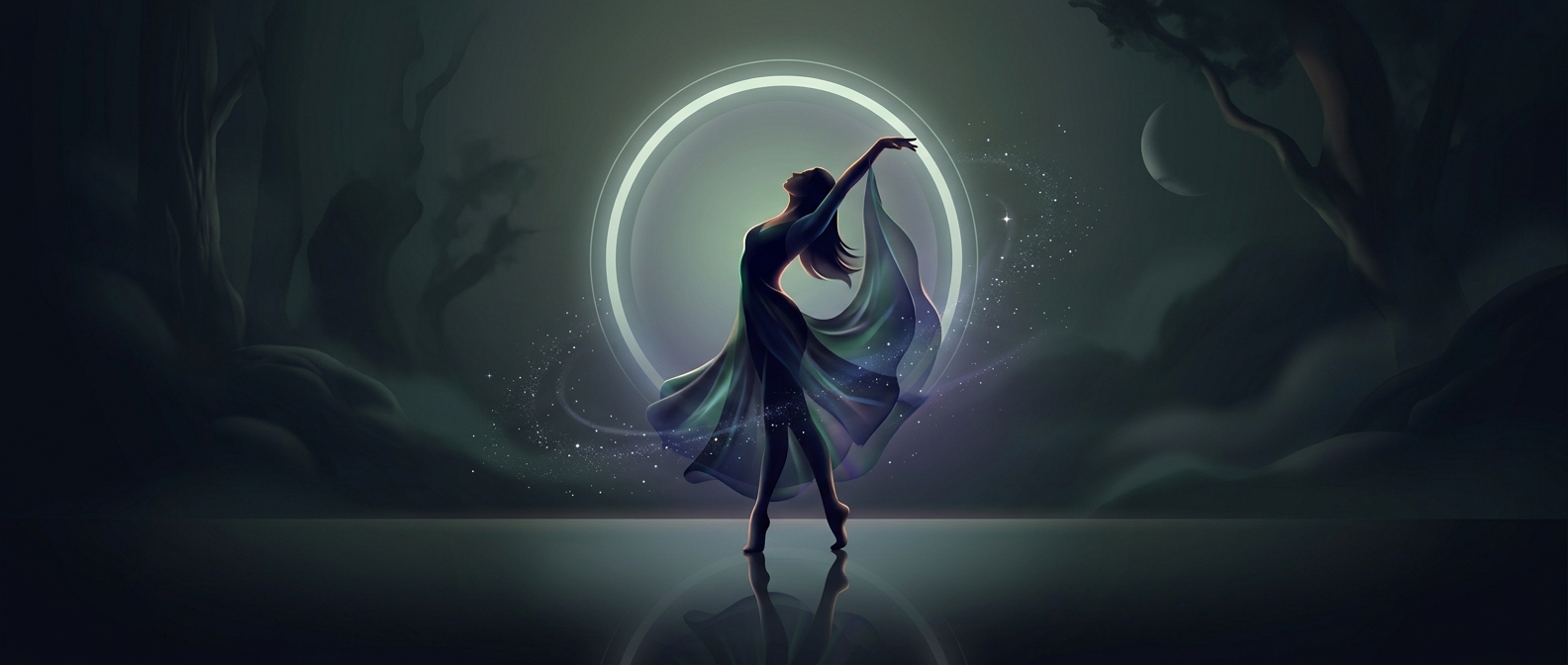
In tarot’s Major Arcana—the sequence of twenty-two cards often read as stages or turning points in human experience—The World is numbered XXI, the final card. Its wreath acts like a frame around the central dancer, suggesting a completed whole rather than a single isolated achievement. In many familiar versions, the wreath is an oval: a shape with no obvious start or finish.
That makes the card’s ending less like a door slamming shut than a loop closing. The journey has produced experience that can be carried forward, while the completed sequence leaves room for another one to begin.
Why the figure dances
The figure’s movement matters. A trophy-holder would suggest a fixed prize; a dancer suggests energy still in motion. In widely used tarot artwork, the figure also carries a pair of short staffs, while four symbolic beings occupy the corners of the card. Those surrounding forms make the scene feel ordered and balanced, as if the individual’s progress belongs within a larger pattern.
Tarot images do not have one compulsory meaning, and details differ across decks. Readers commonly use The World to mark arrival, integration, or a task brought to a satisfying close—not a guarantee that life is permanently settled. Its useful implication is practical: completion can be a moment to recognize what a journey taught you before choosing what to do next.