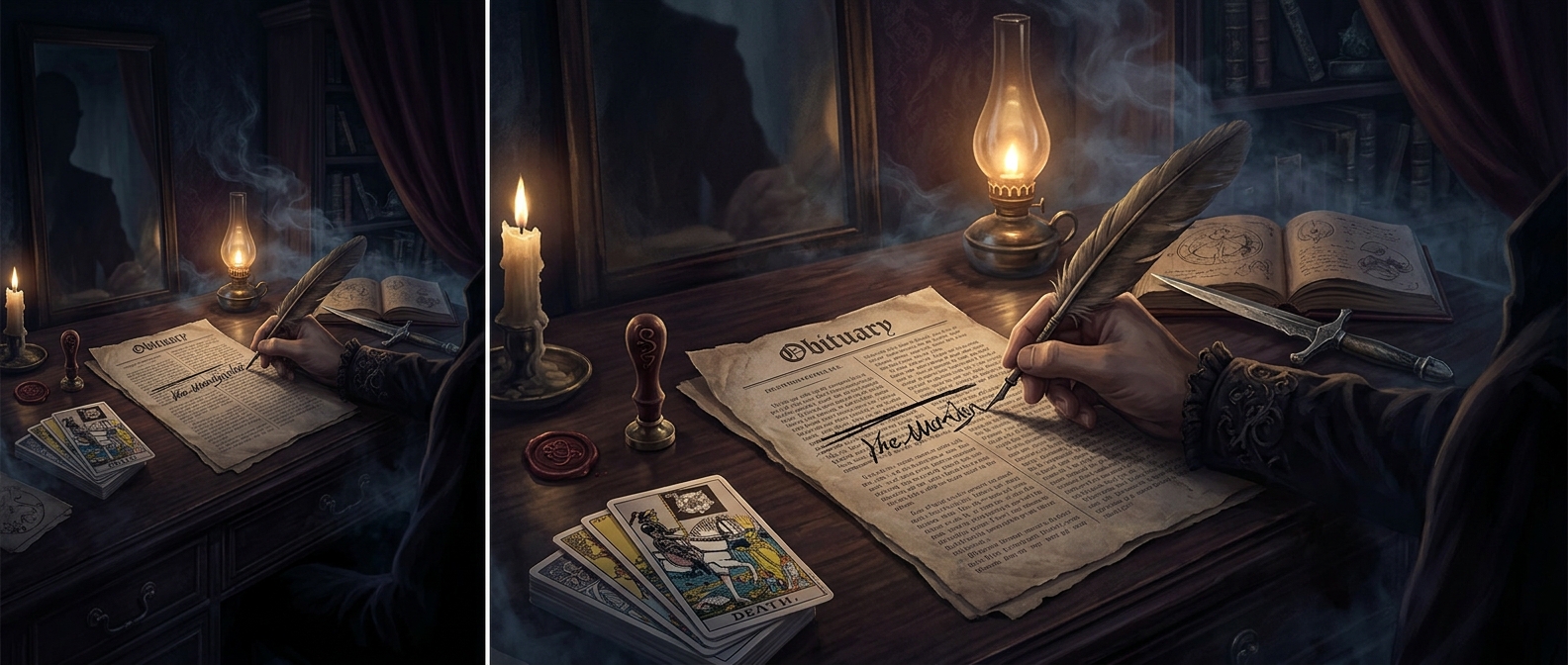
Why the Death Card Points to an Ending, Not a Funeral
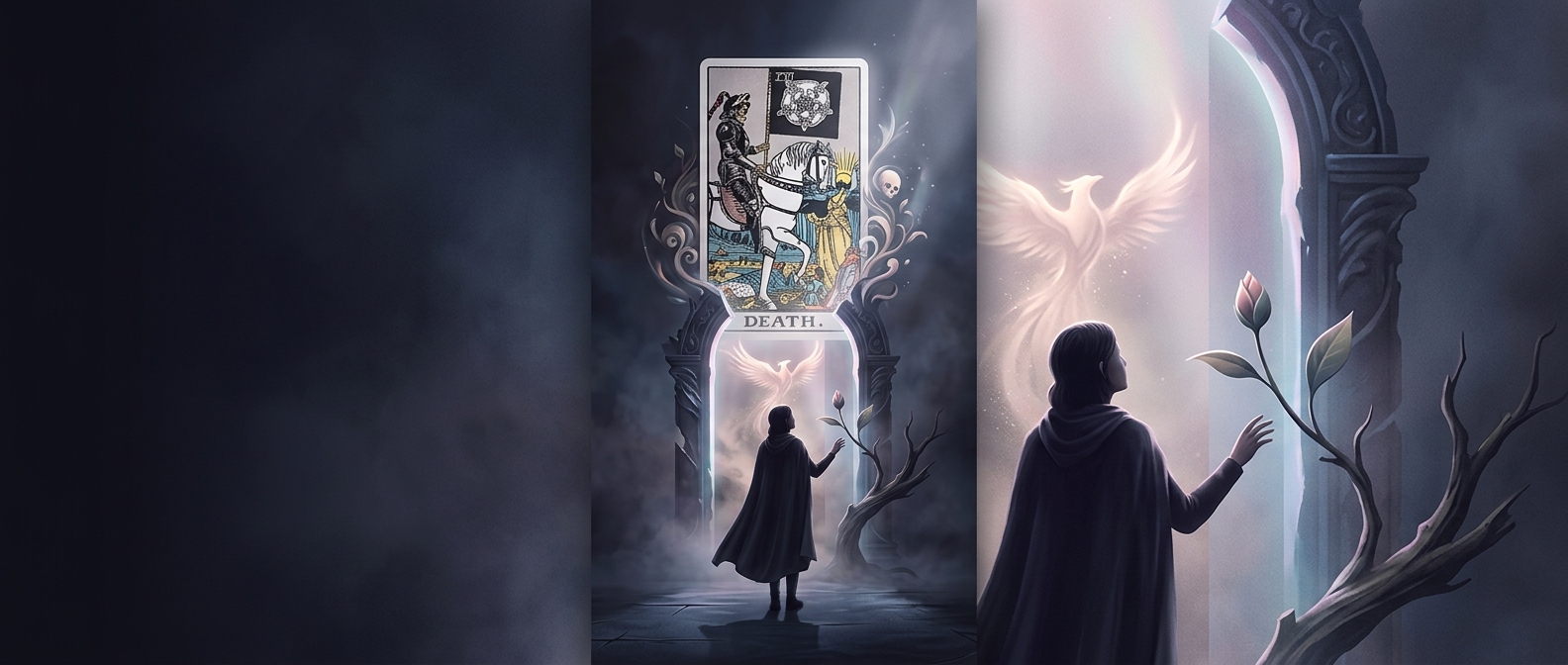
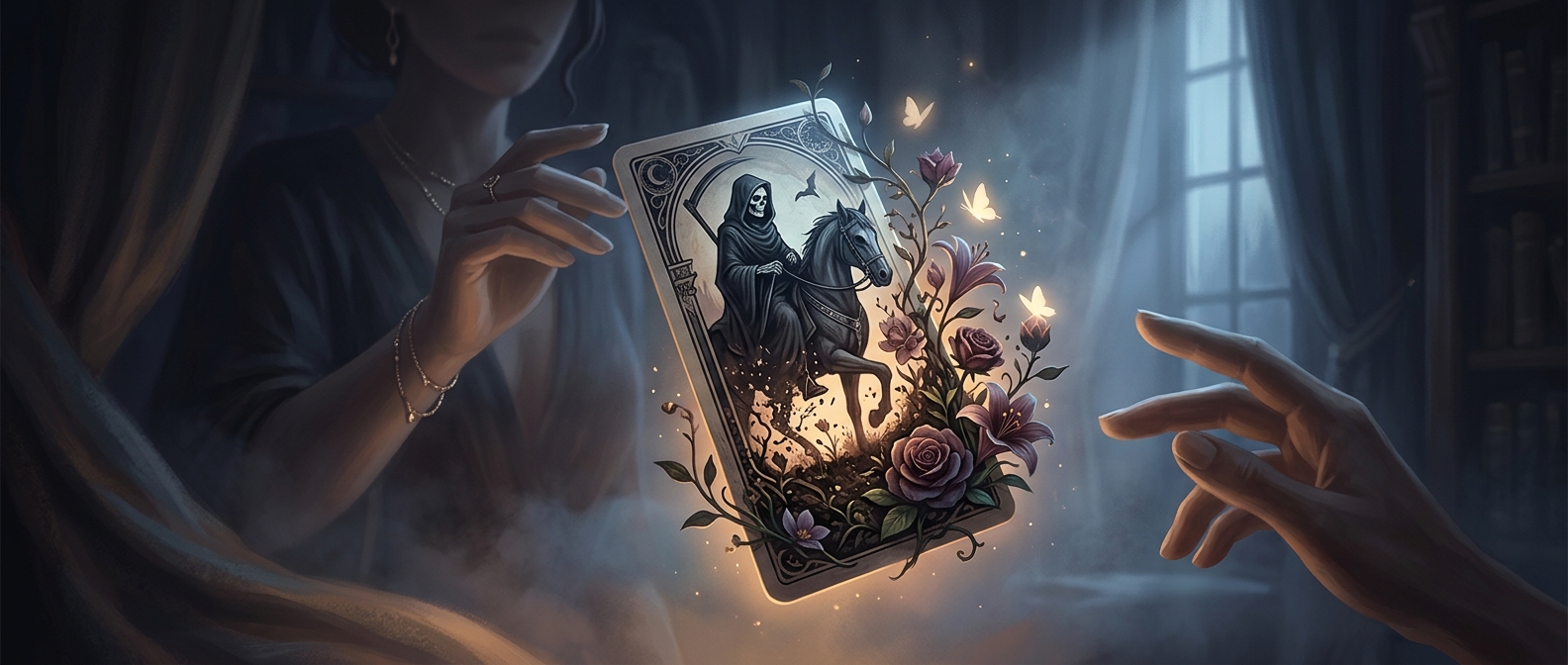
In many tarot decks, Death is the name of a card in the Major Arcana, the group often treated as the deck’s larger life themes. Its skeleton is a stark image of mortality, but tarot readers commonly use that image to represent change that cannot be undone: an old role, relationship, habit, or phase has run its course. The “death” is usually symbolic, not a forecast of someone dying.
That reading draws on a basic metaphor: for something new to begin, something else may have to end. A card can therefore feel unsettling while pointing to a transition rather than disaster. It does not necessarily promise an easy or welcome change; it emphasizes that a situation may be moving beyond its previous form.
Meaning Depends on the Reading
Tarot cards are interpreted in context, not as isolated labels. Readers consider the question, the card’s place in a spread—a layout where each position has a role—and the surrounding cards. Someone asking about work might read Death as the close of a job or career chapter; in a question about personal habits, the same card might suggest letting go of an established pattern. These are interpretive possibilities, not fixed predictions.
The image’s drama is part of why it sticks in memory, but the useful question is often not “Who will die?” It is “What has reached its end, and what might follow?”