A Body Became the Cover Story
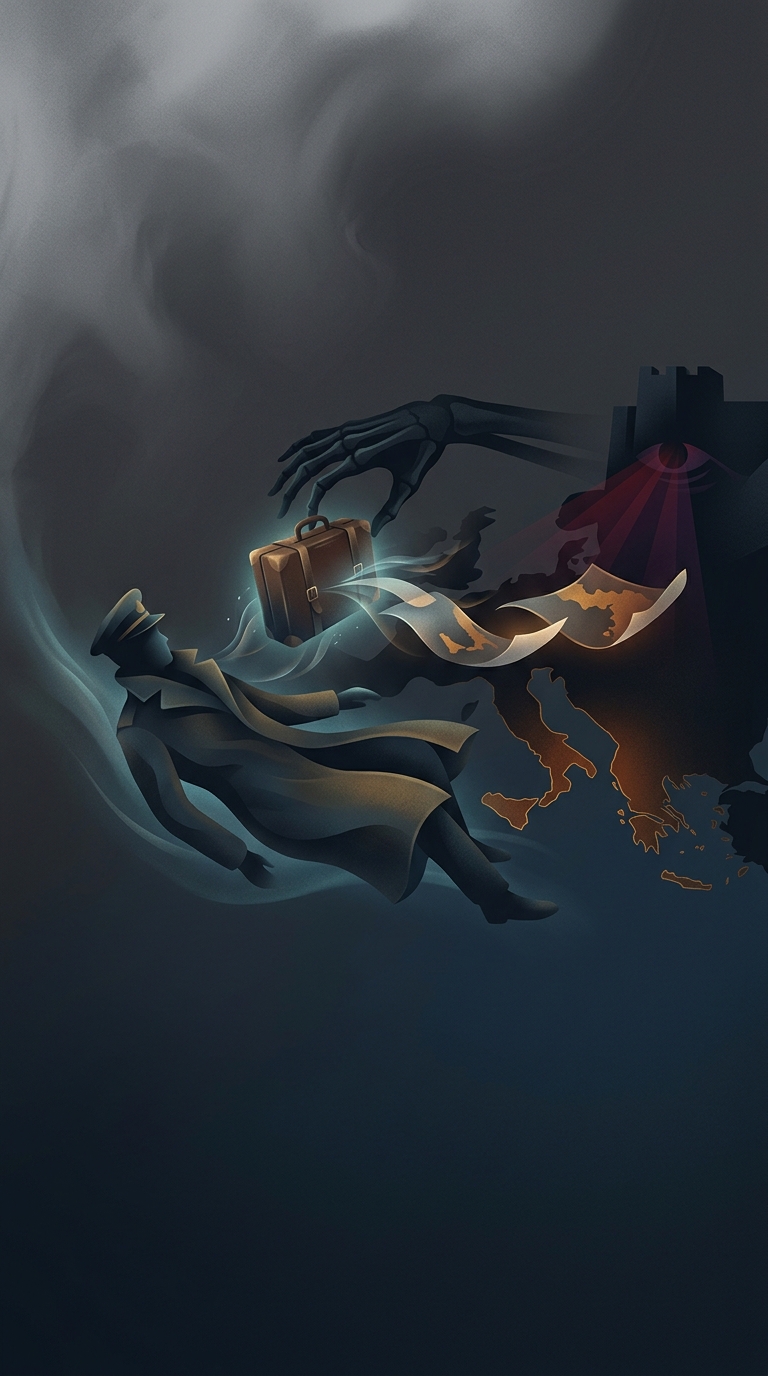
In 1943, the Allies wanted German commanders to expect an attack somewhere other than Sicily, their actual next target. Operation Mincemeat made that false destination believable by giving it a human messenger: a dead man presented as a Royal Marines officer who had drowned while carrying confidential papers.
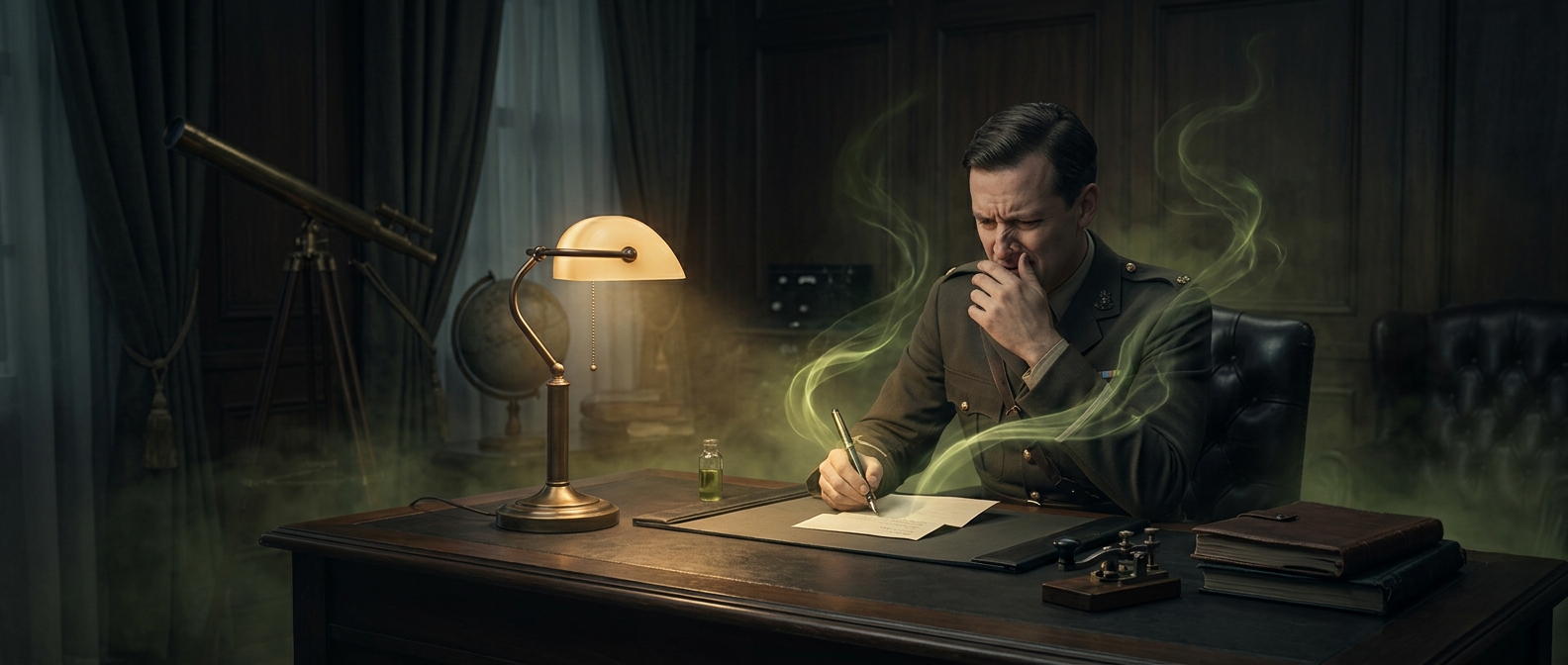
The body was that of Glyndwr Michael, a Welshman who had died in London. British planners gave him the invented identity of Major William Martin, complete with uniform, personal effects and a briefcase handcuffed to his wrist. The papers did not simply announce a false invasion plan. They were woven into what looked like an ordinary officer’s life, making the identity—and the documents—seem less like a planted trick.
Why the Deception Could Travel
The body was released off the coast of neutral Spain, where it was found and examined by Spanish authorities. German intelligence had access to information passing through Spain. That gave the Allies a route to put the papers in German hands without delivering them directly, which would have invited suspicion.
The deception depended on a chain of plausibility: a credible officer, a believable accident, documents that appeared to be private correspondence, and a neutral country through which the material could reach Germany. German analysts treated the papers as genuine and strengthened defenses around Greece and Sardinia, among other places.
The Effect on Sicily
The Allies invaded Sicily in July 1943. Mincemeat helped divert German attention and forces, but it did not make the landing easy or remove resistance. Its value was that it made the enemy prepare for threats that were not the main blow.
The striking detail is how much of the operation rested on ordinary-looking evidence. A uniform gave the body a role; personal belongings gave that role a life; and the briefcase carried the false military plan into the hands of the people it was meant to deceive.