The ticket buys entry, not the whole experience
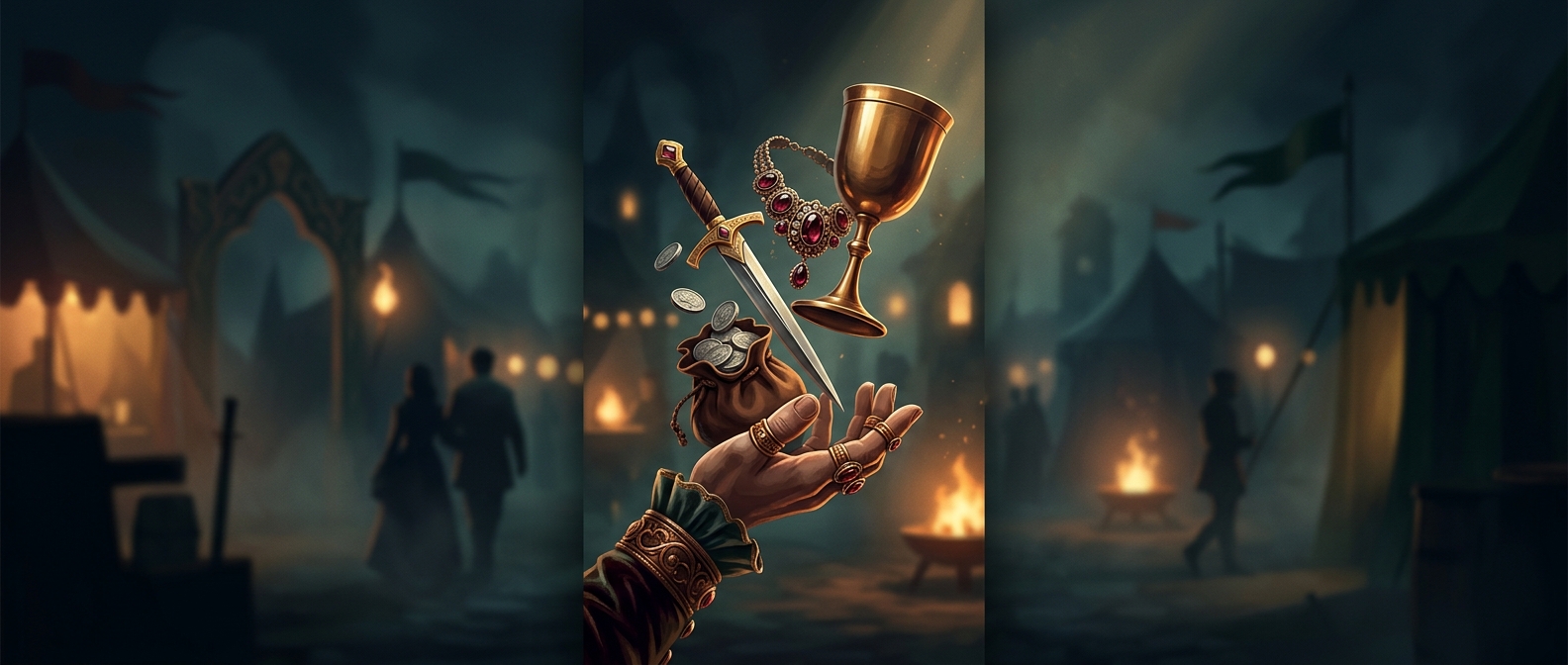
A Renaissance faire is built around a split purchase: admission gets you onto the grounds, while food, drinks, games, and merchandise are usually separate decisions. That structure makes the ticket only the first part of the day’s budget. Once visitors are inside, the event’s food stalls and themed shops are close at hand, and buying something can feel like participating rather than simply shopping.
The setting helps turn ordinary purchases into souvenirs of the experience. A wooden sword can become part of a child’s costume for the afternoon; a turkey leg is both lunch and a recognizable faire ritual. These purchases are optional, but their connection to the event gives them a meaning—and an appeal—they might not have elsewhere.
Themed goods carry real costs
Many items also cost more to make or sell than everyday equivalents. Leather garments, crafted accessories, and other specialty goods can require skilled labor and materials, while vendors have to bring niche inventory to an event where demand is concentrated into a limited number of days. Food stalls face their own costs for ingredients, equipment, staffing, and serving large crowds in a temporary venue. Those expenses help explain why a faire purchase may not resemble the price of a mass-produced item or a meal in a neighborhood shop.
The result is a day whose cost depends heavily on how visitors choose to take part. Someone who sticks to admission can keep spending limited; someone who eats on site, plays games, or buys a costume piece can turn the grounds into a series of extra purchases. The faire’s budget is therefore less like a single ticketed show and more like an outing with many small, highly visible ways to spend.