Why the Odd Card Changes the Whole Game
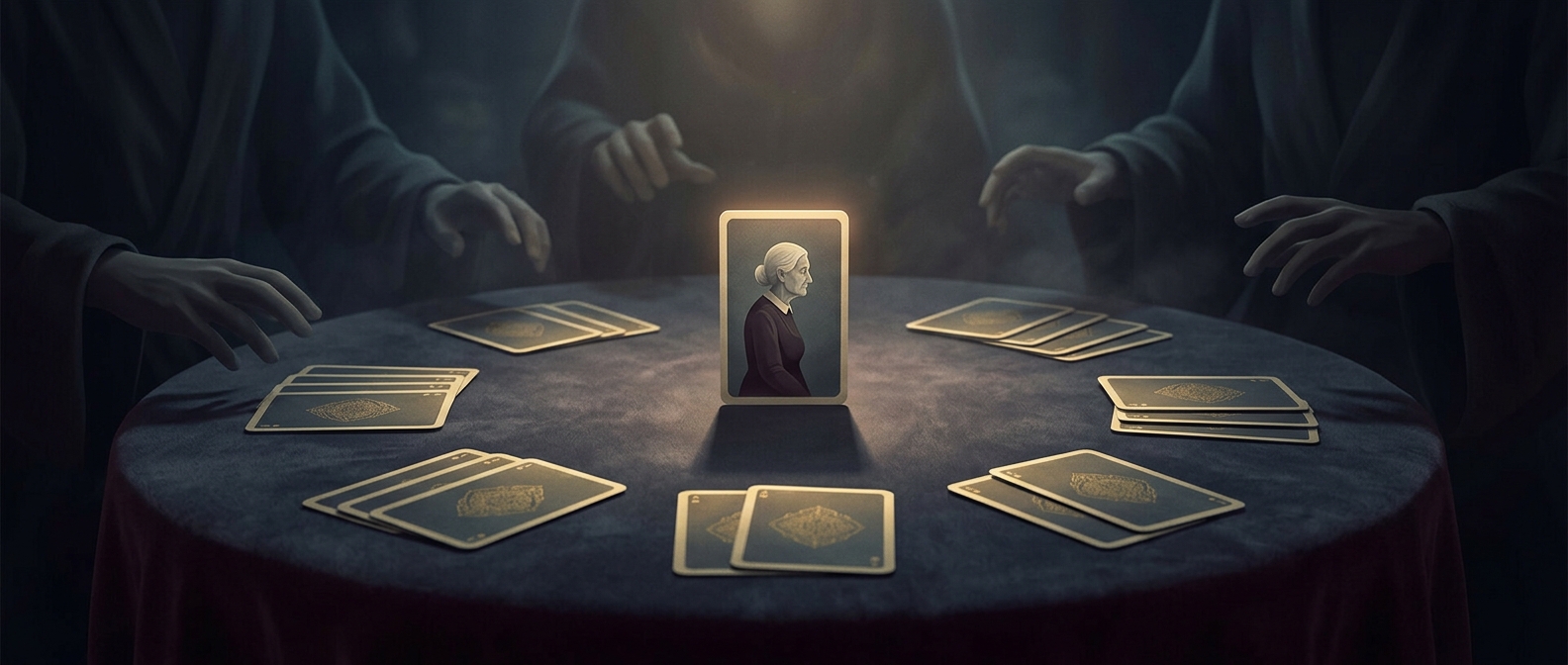
Old Maid turns a simple matching task into a game of passing uncertainty. Most cards can disappear in pairs; the designated queen has no partner, so it remains in circulation as other cards are matched and removed. Each successful match changes what a player holds and who may end up with the unmatched card next.
A Small Choice With Social Consequences
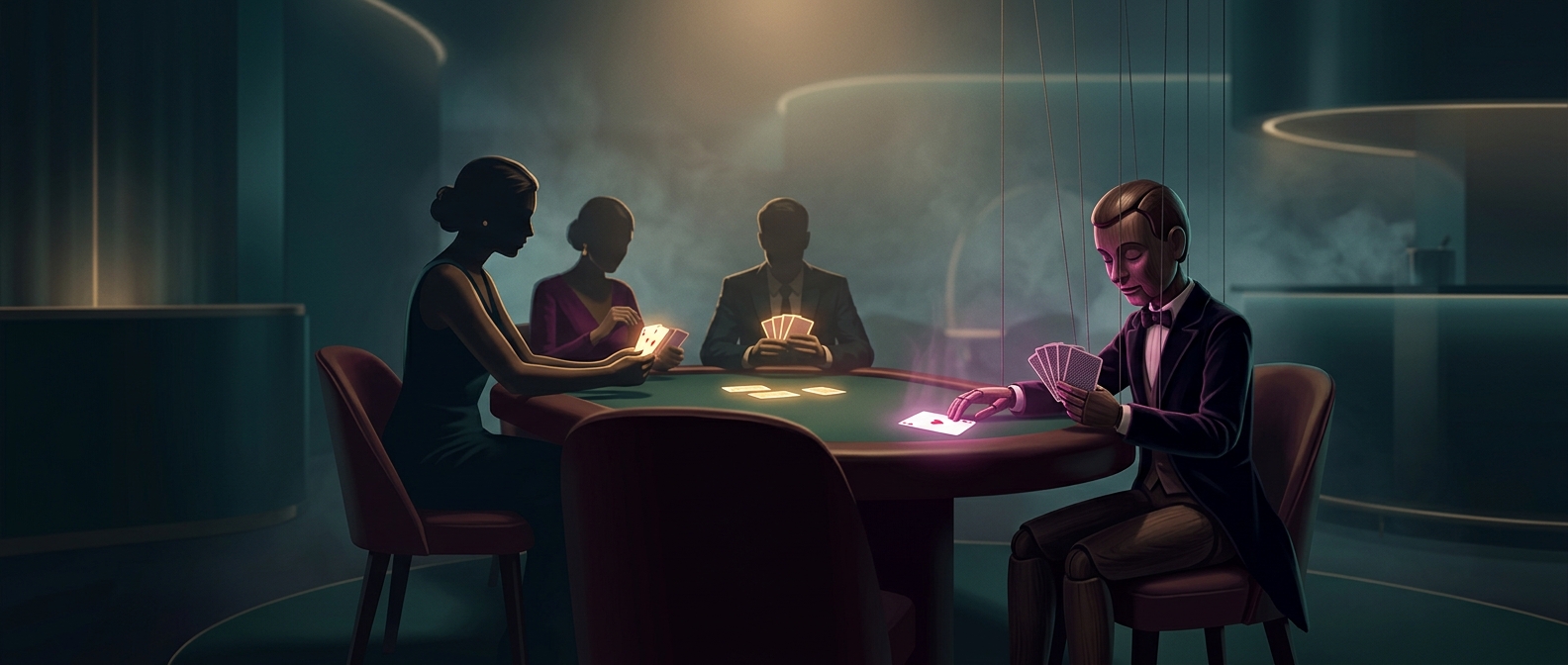
When a player takes a card from another player’s hand, the choice is usually made without seeing the card’s face. The taker has to judge from the arrangement of the offered cards, while the holder can try to conceal which card is dangerous. That makes facial expressions, hesitation, and a deliberately steady hand part of the play—not because they change the cards, but because they can influence an opponent’s pick.
As pairs leave the game, hands shrink and the remaining possibilities become easier to track. Players may remember which cards have appeared, but they cannot control exactly what an opponent will draw or pass back. The tension comes from that mix of limited information and visible reactions.
The Ending Is Built Into the Deck
The game does not need a final showdown or a point total: it ends when all possible pairs are gone and one player is left with the unmatched card. That simple structure makes the result easy to understand even for young players. The card that cannot be paired is not merely a penalty; it gives every passing decision a clear consequence.