Why Shambhala Is Said to Resist the Journey
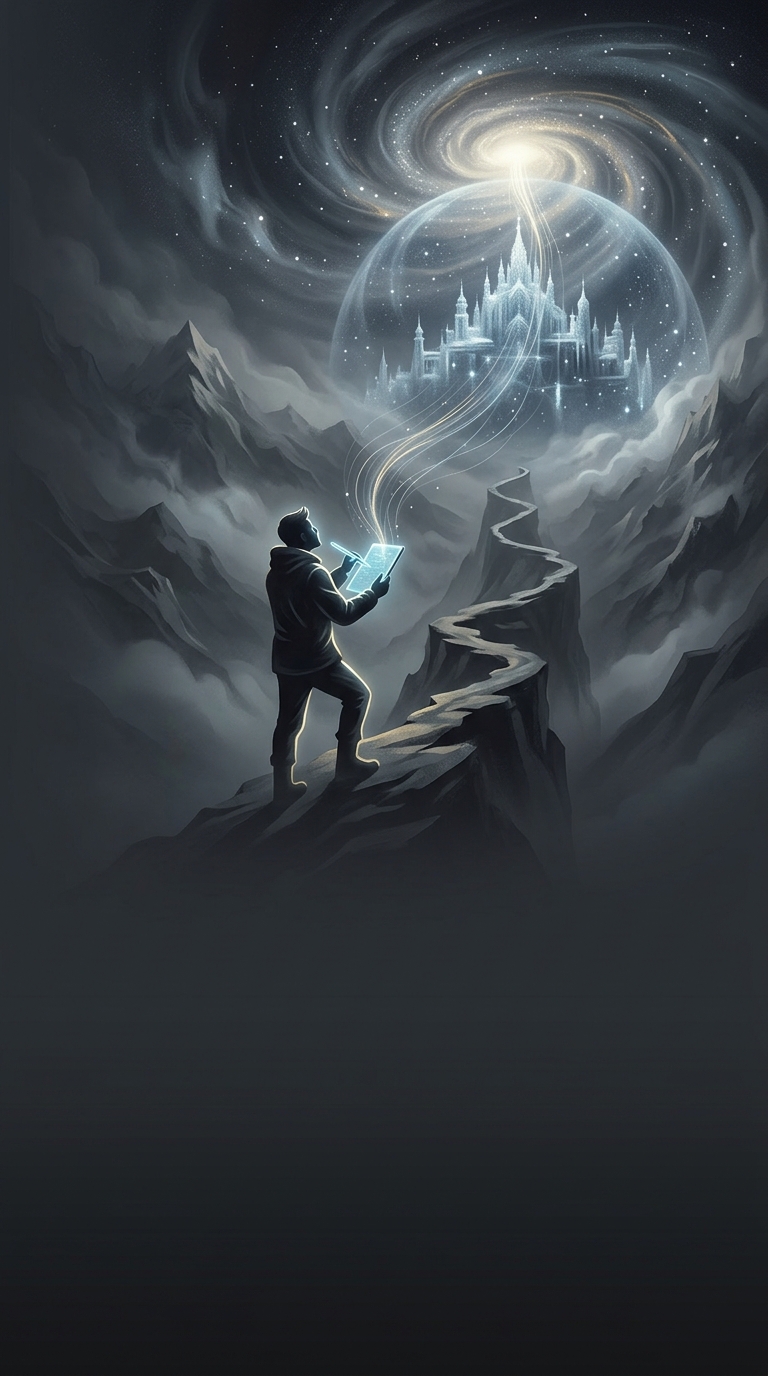
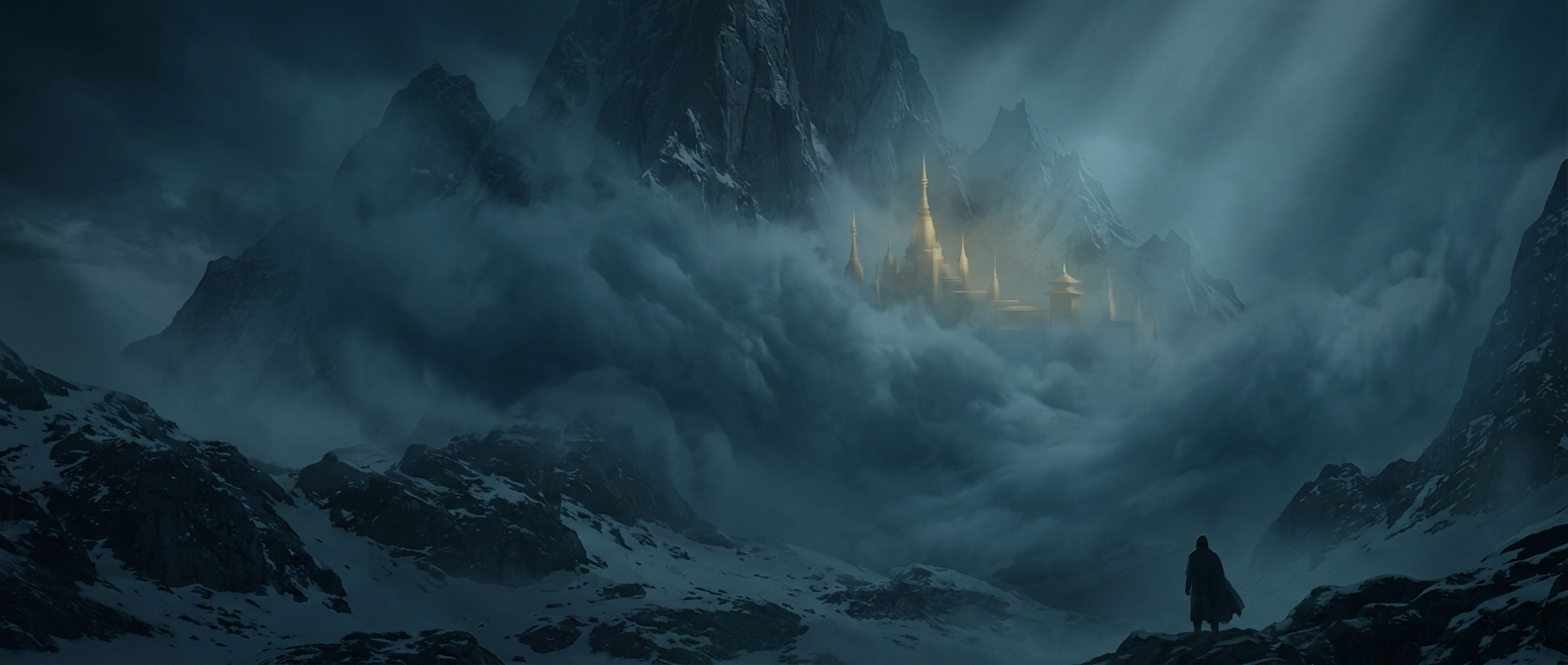
In stories about Shambhala, the obstacle is not simply a mountain pass or a stretch of bad weather. Travelers are said to meet a barrier of bitter winds and forces that confuse or repel the mind, making the hidden realm unreachable to ordinary visitors. The details vary across tellings, but the effect is consistent: finding a route is not enough.
That distinction gives the legend its force. A physical obstacle can be mapped, crossed, or overcome with better equipment. A barrier that also acts on the traveler’s mind suggests that access depends on something more than navigation. Shambhala is imagined as a place one cannot reach by curiosity or determination alone.
A Hidden Place With a Larger Meaning
Shambhala is known in Tibetan Buddhist traditions as a concealed kingdom associated with spiritual teachings and an ideal order. It is not best understood as a confirmed location waiting to be found on a map. In accounts that describe it as a real but hidden realm, its inaccessibility helps express the distance between everyday life and an idealized world of wisdom and harmony.
The freezing veil therefore works on two levels: it makes the journey perilous in the story, and it marks Shambhala as a realm apart. The legend’s most memorable defense is not a wall, but the idea that the way in cannot be forced.