Why the brain uses so much energy
The brain is only about 2 percent of an adult’s body weight, yet it uses roughly one-fifth of the body’s energy at rest. Its high energy use comes from the constant work of keeping nerve cells ready to communicate—not just from moments of intense thought.
Neurons send signals by moving charged particles, such as sodium and potassium, across their outer membranes. After each signal, cellular pumps restore the particles to their proper sides. That reset requires energy, and the cycle runs across vast networks of cells throughout the day and night.
A demanding organ, even at rest
The brain also spends energy maintaining cells, processing incoming information, and coordinating basic functions such as breathing and body temperature. Much of this activity continues during sleep, so resting does not mean the brain has switched off.
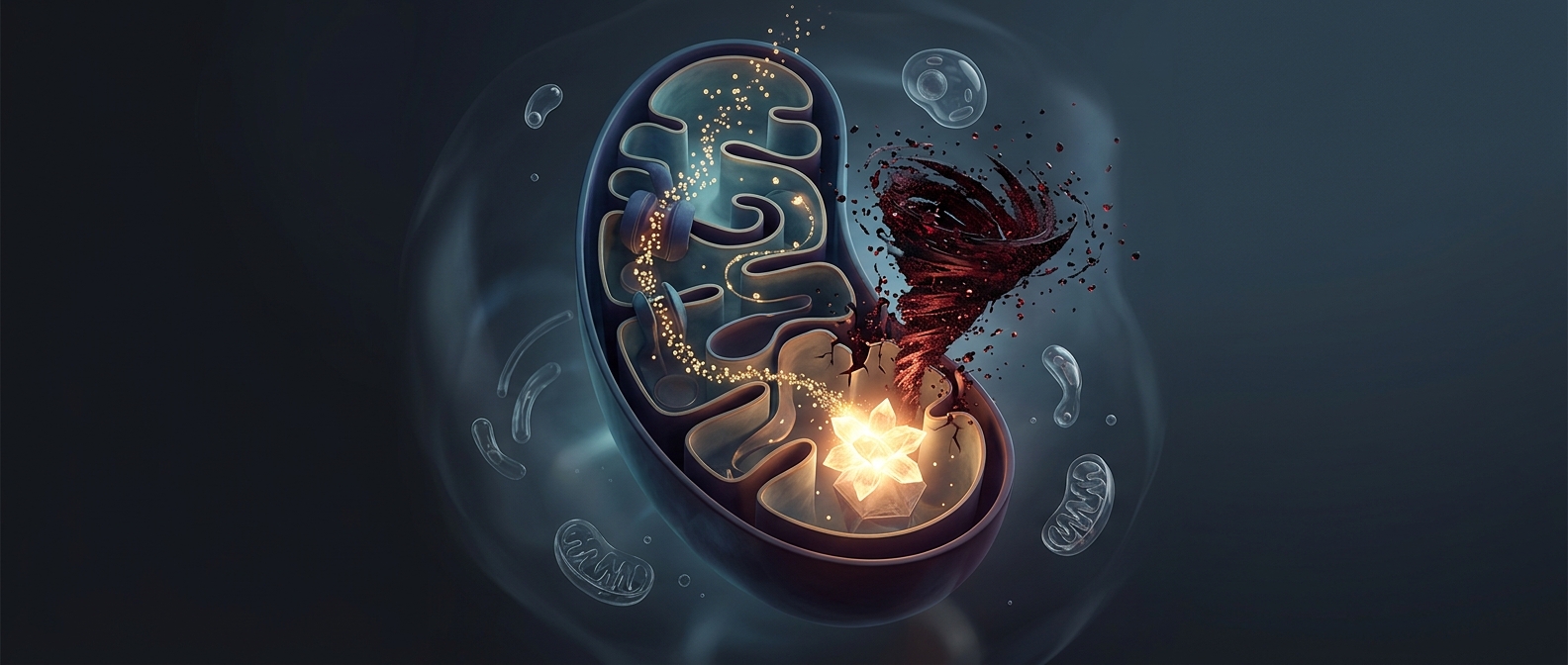
The energy comes chiefly from glucose, delivered in the blood, with oxygen helping cells release usable energy from it. Because neurons depend on a steady supply, blood flow adjusts to deliver more oxygen and fuel to regions that become more active.
This is why a small organ can have such a large metabolic footprint: the brain’s high energy use reflects the nonstop upkeep of its communication system, not simply the effort of concentrating. A difficult puzzle may feel draining, but ordinary life already keeps that system running around the clock.