Why the imagined trip feels unusually good
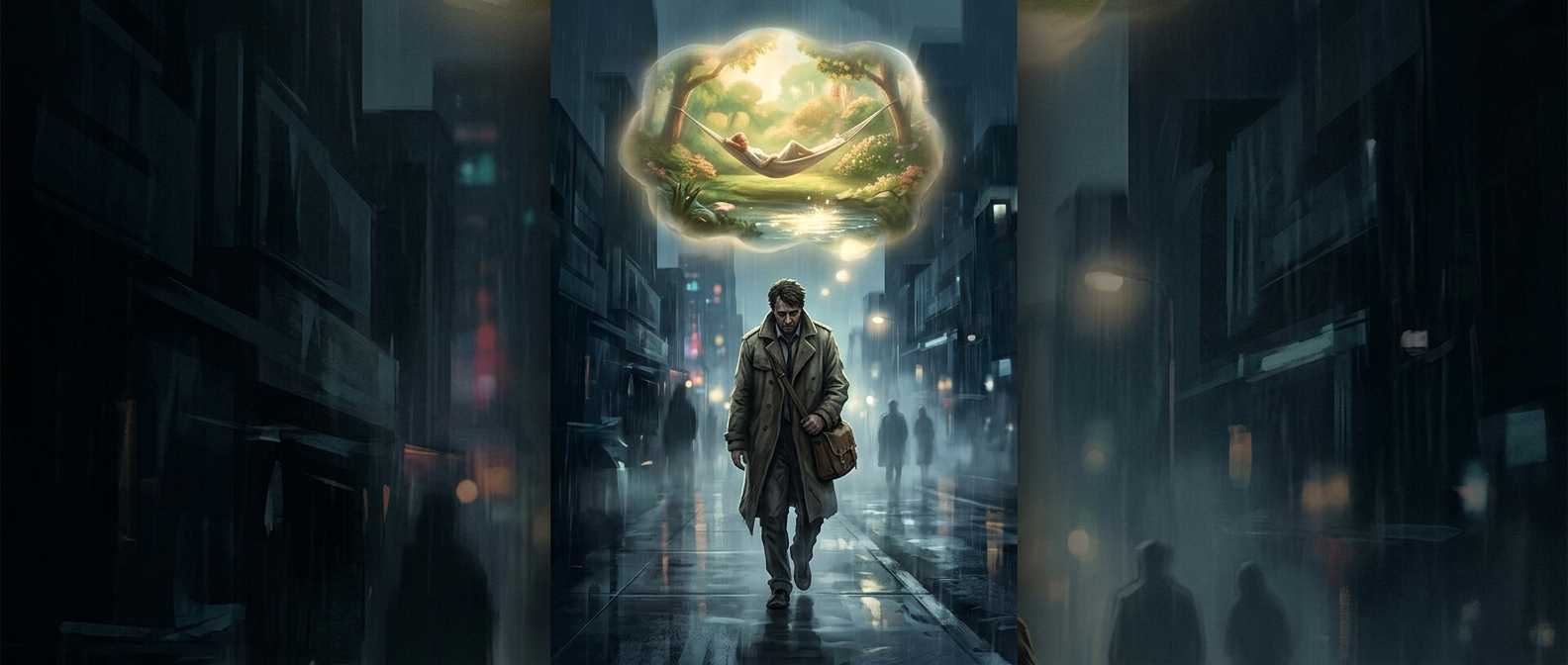
When you look forward to a vacation, you are not mentally replaying the whole trip. You are previewing selected moments: the first swim, a favorite meal, or the relief of a day with no obligations. The airport queue, delayed bag, and search for the hotel are less likely to appear in that mental preview. Anticipation can deliver the appealing parts without making you live through the inconvenient ones.
Imagination edits the experience
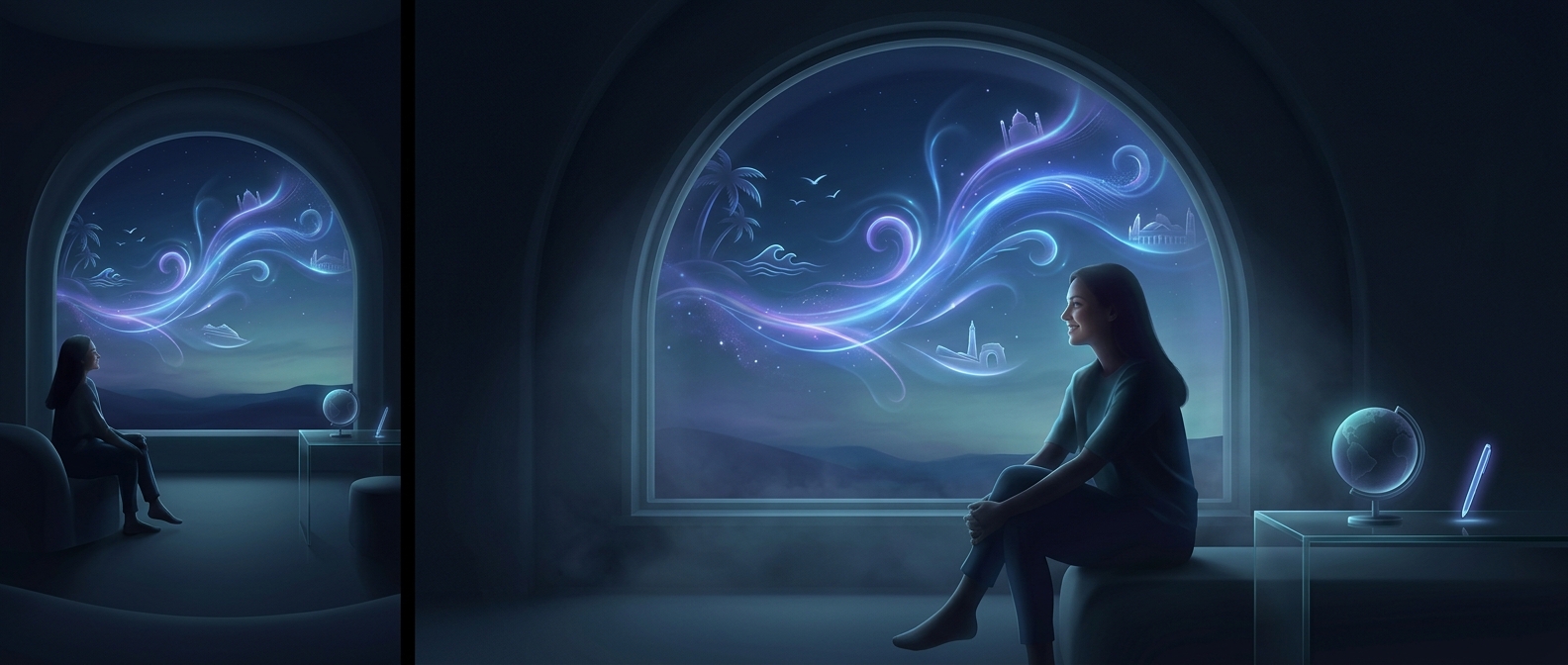
A future event is necessarily incomplete in your mind. You can picture a warm beach or an unhurried breakfast, but you do not yet know exactly how the day will unfold. That leaves room for an ideal version, assembled from the details you most want and the memories or expectations that make them vivid.
The real trip is more specific. It arrives as a sequence of events, including transitions and practical tasks that were easy to leave out beforehand. Travel time, weather, crowds, and small frustrations do not erase the pleasure of a vacation, but they can make the lived experience less seamless than its mental preview.
The contrast is part of the pleasure
Looking forward to a trip also gives you something enjoyable before departure: plans to discuss, places to imagine, and a break to count down to. That pleasure is real, even though it is not the same as being there. Once the trip begins, enjoyment depends on what actually happens, not just on the best moments pictured in advance.
So a vacation can feel more perfect in anticipation than in practice—not because the imagined beach was false, but because imagination can skip the airport on the way to it.