The loaf marked for the executioner
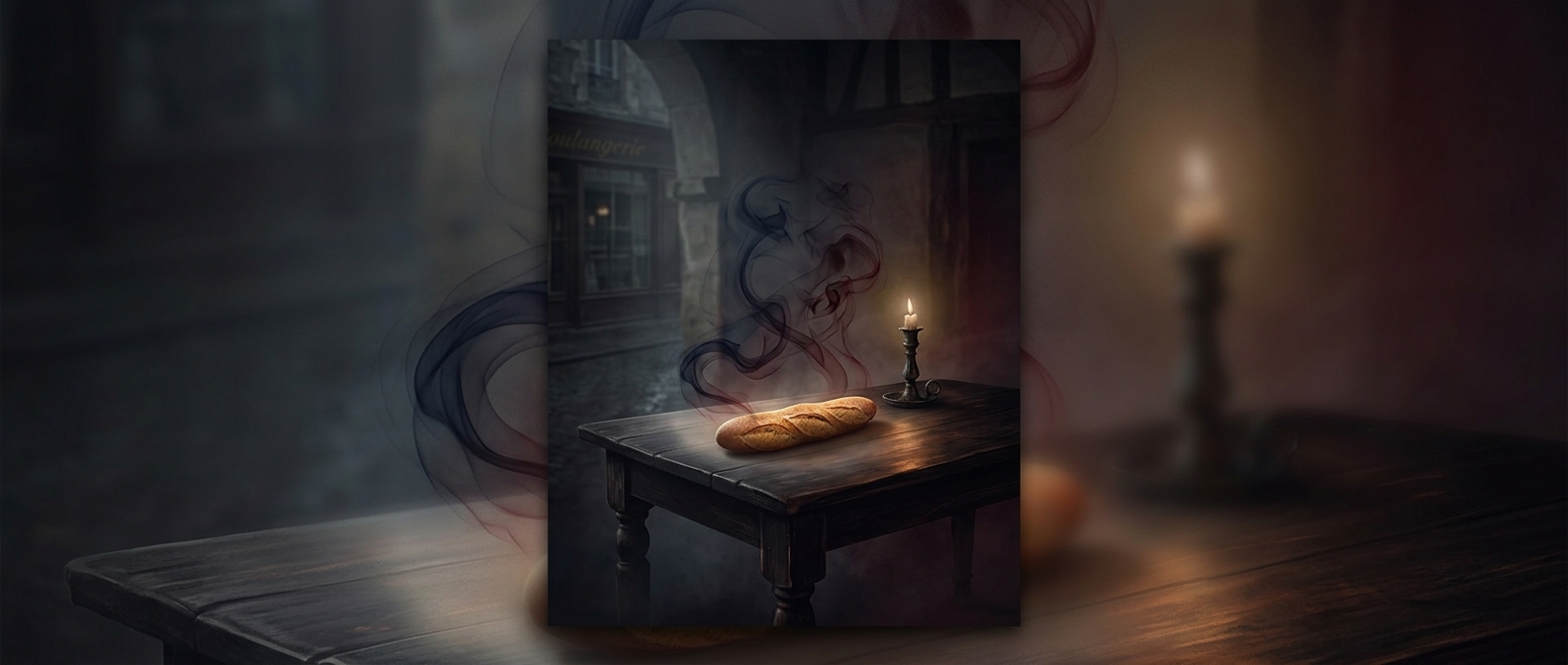
French folklore connected an upside-down loaf with the executioner: a baker was said to set one aside for him, turning it over to distinguish it from bread meant for ordinary customers. The story gave a simple kitchen gesture a grim association. A loaf placed crust-down on the table could look like the one reserved for a man whose work was killing people.
How a bakery custom became a household taboo
The superstition’s logic is symbolic rather than practical. Turning the bread over seemed to repeat the sign attached to the executioner’s portion, so people treated the gesture as inviting misfortune into the home. In a culture where bread was a daily staple and regularly handled at meals, a small habit could easily become a familiar warning passed from one generation to the next.
The tale does not establish that bakers everywhere actually served executioners this way. Its staying power lies in the image: an ordinary loaf made ominous by the person it was supposedly meant for. At the table, keeping the baguette right side up was a way to avoid carrying that association home.