Why a Tabloid Headline Is Built to Stop You
A tabloid has only a moment to catch a shopper’s eye. Editors may try several versions of a headline and compare how people respond, looking for wording that provokes the strongest reaction. The test turns a subjective question—“Which one feels more compelling?”—into a practical sales decision.
What the Test Can Change
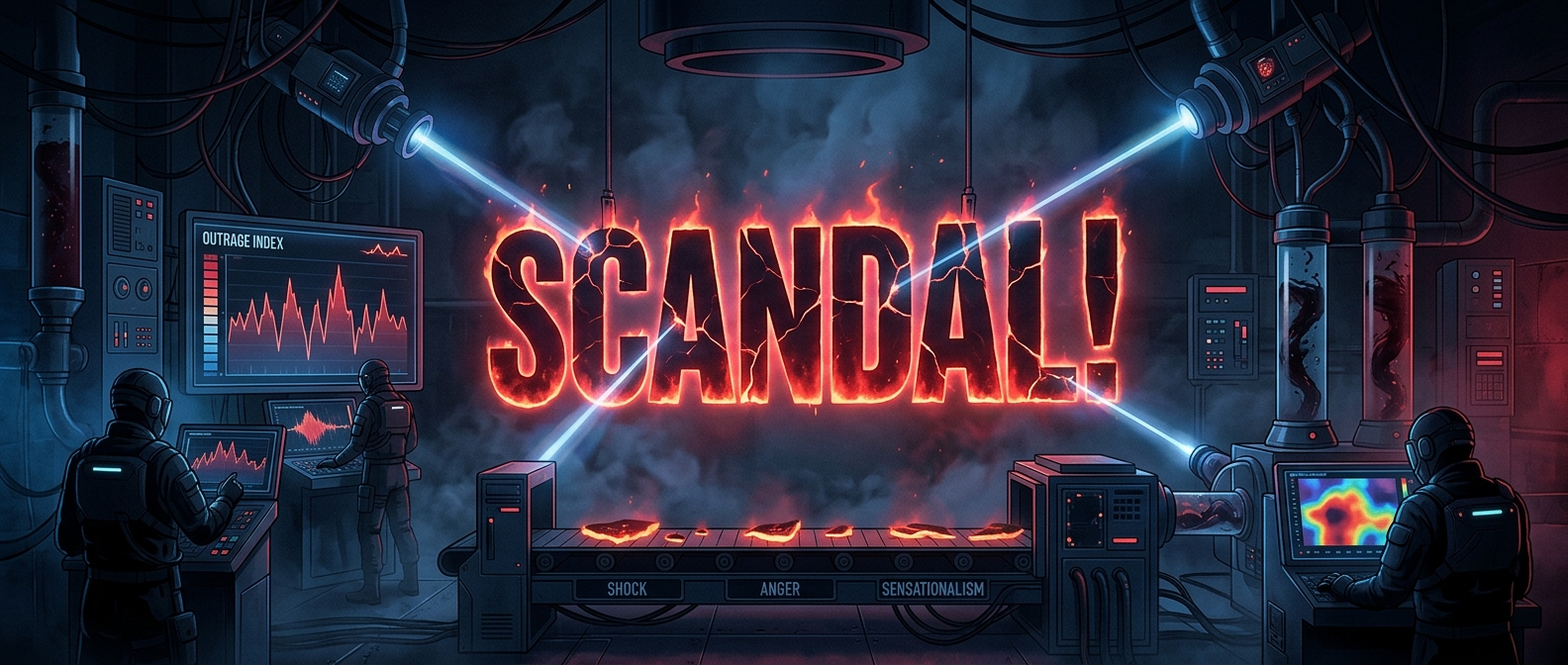
The alternatives may describe the same story but emphasize different details. One might foreground a conflict; another might stress surprise or scandal. Small choices in verbs, adjectives, and emphasis can make a claim feel more alarming or irresistible without changing the underlying event.
Editors can use reactions from shoppers or other audience tests to see which version draws more attention. The goal is not simply to make a headline louder. It is to make the story feel urgent enough that someone pauses, picks up the paper, and considers buying it.
Attention Is the Tradeoff
The most provocative wording can help a publication compete for attention, but it can also set expectations the story may not satisfy. A headline is a compressed sales pitch: it has little space to explain nuance, while its emotional framing can shape how readers interpret the article before they begin.
That is why a few words can matter so much at the newsstand. The winning version is the one most likely to turn a passing glance into a purchase.