Topsy’s execution became a moving-picture spectacle
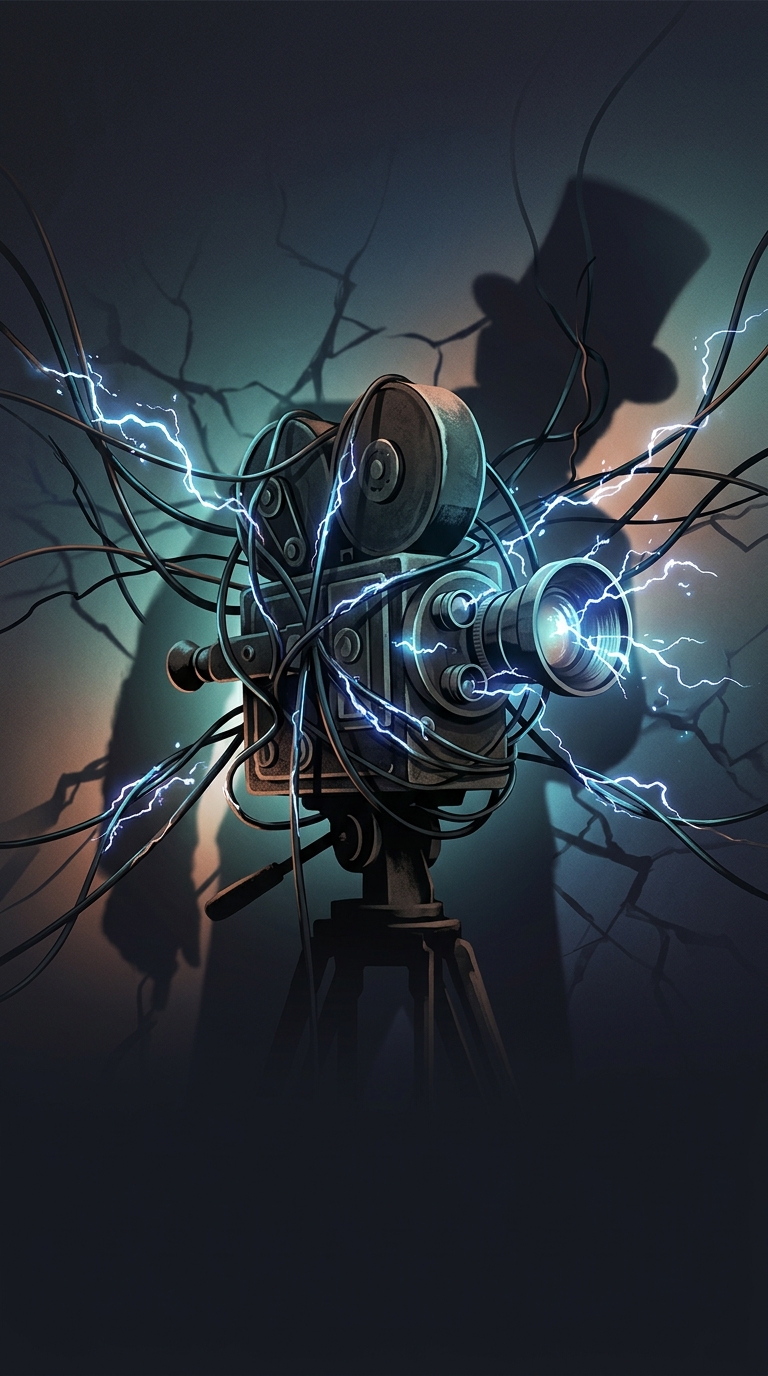
In January 1903, workers at Coney Island’s Luna Park killed Topsy, an elephant described as dangerous after she had killed a handler. The event was filmed by the Edison Manufacturing Company and later shown as Electrocuting an Elephant. The brief film captured the elephant being led to the execution site, restrained, and brought down by an electric current.
The killing was not simply a test of electricity: accounts describe a combination of methods, including poison and electrocution. But the current made the event a potent public demonstration of electricity’s lethal force—and a striking subject for a new medium that could sell tickets by showing viewers something they had never seen.
Why alternating current carried a message
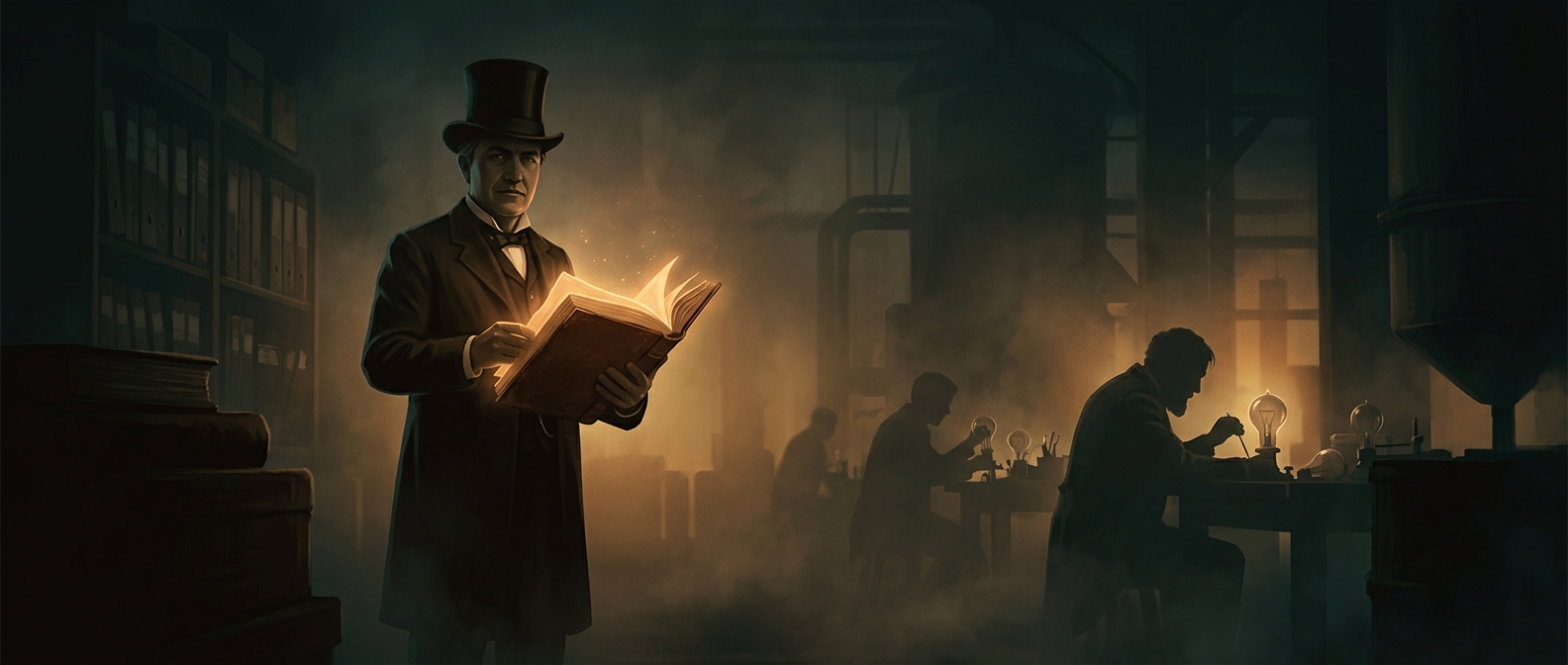
At the time, a bitter commercial fight over how to deliver electricity had made “alternating current,” or AC, a loaded term. AC changes direction repeatedly as it flows; it could transmit power over long distances, but critics emphasized that contact with a high-voltage supply could kill. Edison had championed direct current, or DC, and his company’s film appeared amid public arguments over electrical safety and the rival systems.
That context helps explain why the film could read as more than a record of an execution. Yet the surviving film does not establish that Edison personally organized Topsy’s death as a campaign stunt. The event’s organizers had their own reason to remove an animal they considered a danger; the film company turned the killing into a saleable image. The result blurred the line between newsreel and spectacle—and gave the abstract danger of electrical power a horrifying, visible form.