An industry dinner, not a televised spectacle
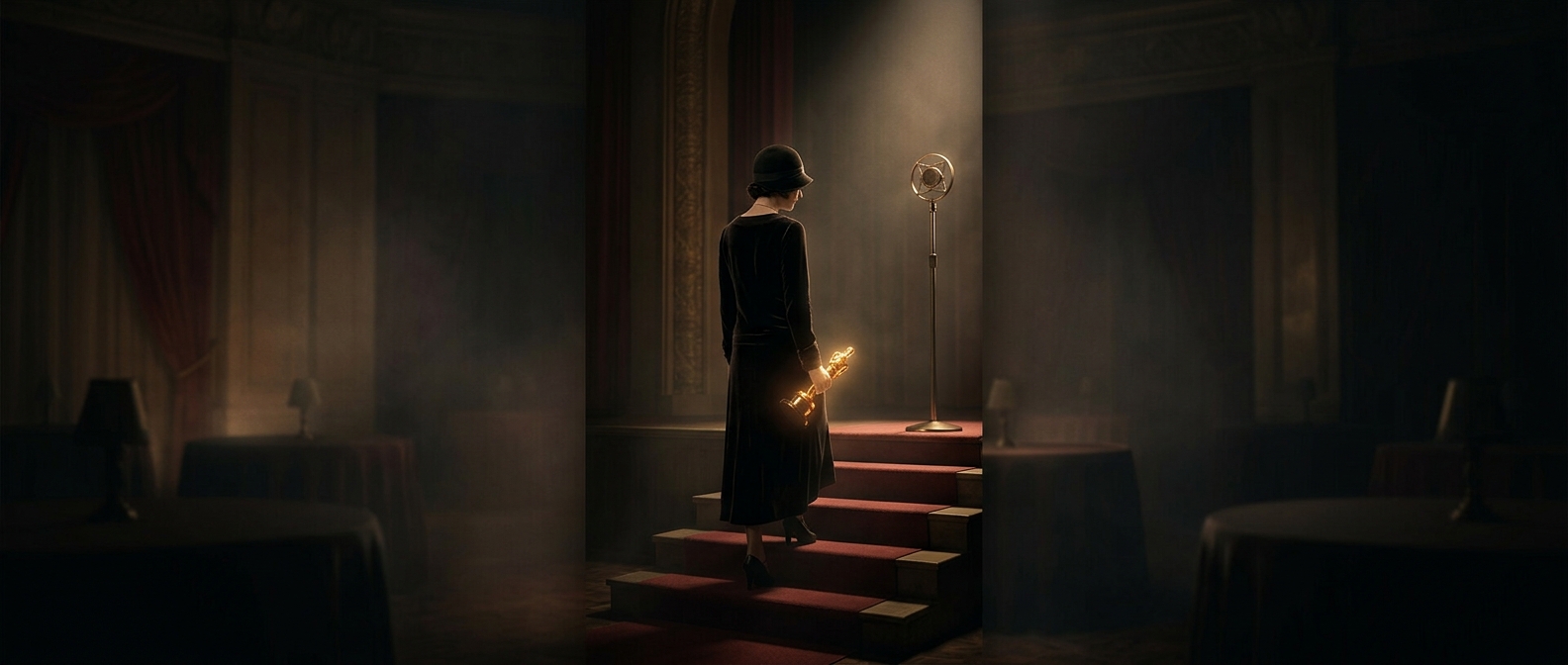
The first Academy Awards took place on May 16, 1929, at the Hollywood Roosevelt Hotel. The Academy of Motion Picture Arts and Sciences had been founded only two years earlier, and the awards were part of a private dinner for people working in the film business—not a public broadcast built around audience suspense.
That setting shaped the evening. Without cameras waiting on every winner or a mass audience following along, the presentations could function as a brief formal recognition at a gathering of industry colleagues. The awards honored films released during the Academy’s first eligibility period, which ran from August 1927 through August 1928.
How the ceremony became an event
The winners’ names were already known to the guests, removing the dramatic reveal that now anchors an awards show. The dinner therefore needed little of the pacing that later ceremonies would use: suspenseful envelopes, extended introductions, and acceptance speeches designed for viewers at home.
As the awards became a public-facing broadcast, the ceremony’s purpose changed along with its format. Presentations had to hold attention beyond the room, and winners’ reactions became part of the entertainment. The long modern ceremony grew from a small industry dinner into a program whose drama depends on not knowing who will win.