The doorway HIV often uses
Many HIV strains enter immune cells by attaching to CCR5, a protein on the cell’s surface. The protein acts like a doorway: after HIV binds to it, the virus can get inside and use the cell to make copies of itself.
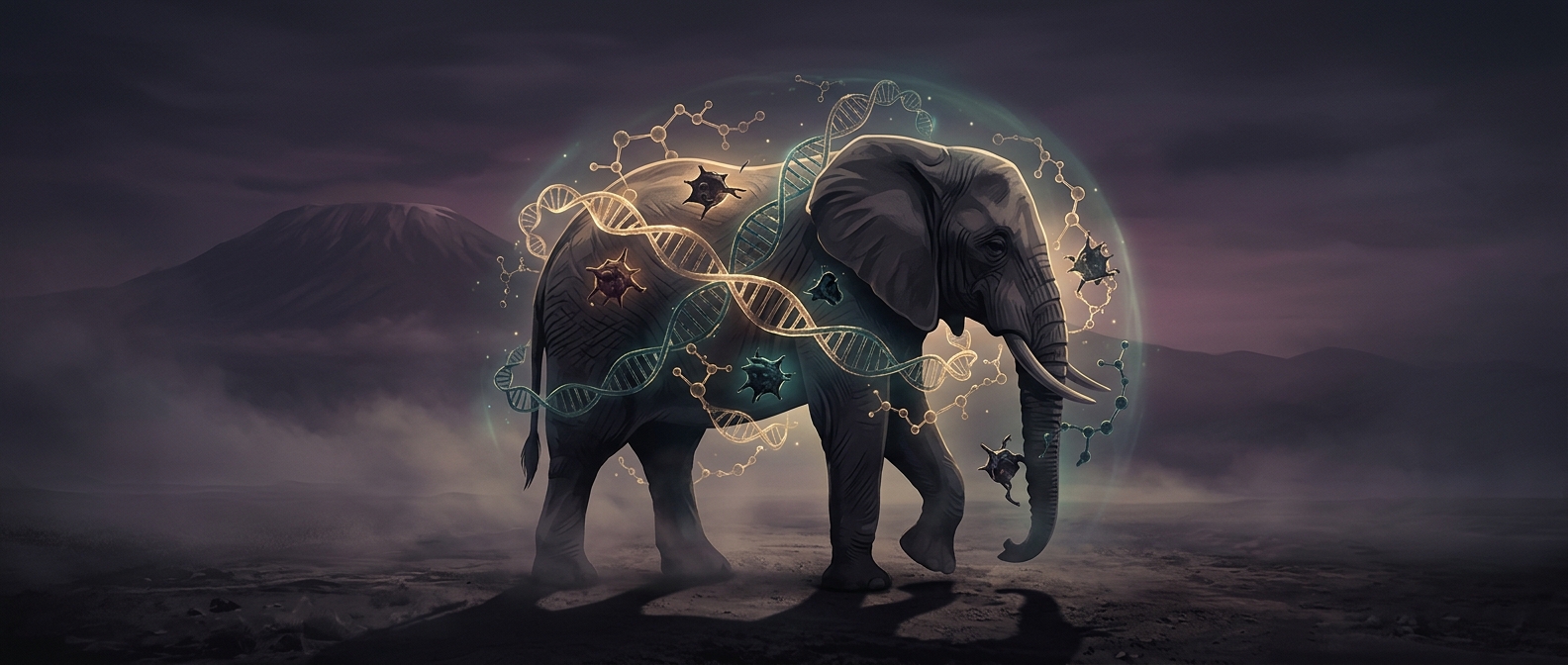
The donor for Timothy Ray Brown’s transplant carried two copies of a rare mutation called CCR5-delta32. In people with this combination, many immune cells lack working CCR5 on their surfaces. HIV that depends on that doorway therefore has trouble infecting those cells.
Rebuilding the blood-forming system
A bone-marrow transplant replaces the blood-forming cells that continually produce blood and immune cells. Brown received one as treatment for leukemia. As the donor’s cells took hold, they generated a new population of immune cells with the CCR5-related resistance. The change mattered not just to individual cells, but to the system that kept supplying new cells HIV could otherwise attack.
That helps explain why Brown’s outcome was so unusual. HIV can persist in long-lived cells and tissues even when it is not readily detectable in the blood. Replacing immune cells is not automatically enough; in Brown’s case, the transplant was associated with the virus no longer returning after treatment stopped, making him effectively cured.
Why the result did not become routine HIV treatment
A marrow transplant is a major, dangerous procedure, used when a serious disease such as leukemia makes those risks necessary—not as a practical way to treat HIV alone. Finding a suitable donor with the rare mutation is another obstacle. Brown’s case showed that changing the immune system’s entry points could stop HIV from maintaining its infection, but it did so through an intervention far more hazardous than standard HIV medicines.