A staircase folded into a loop
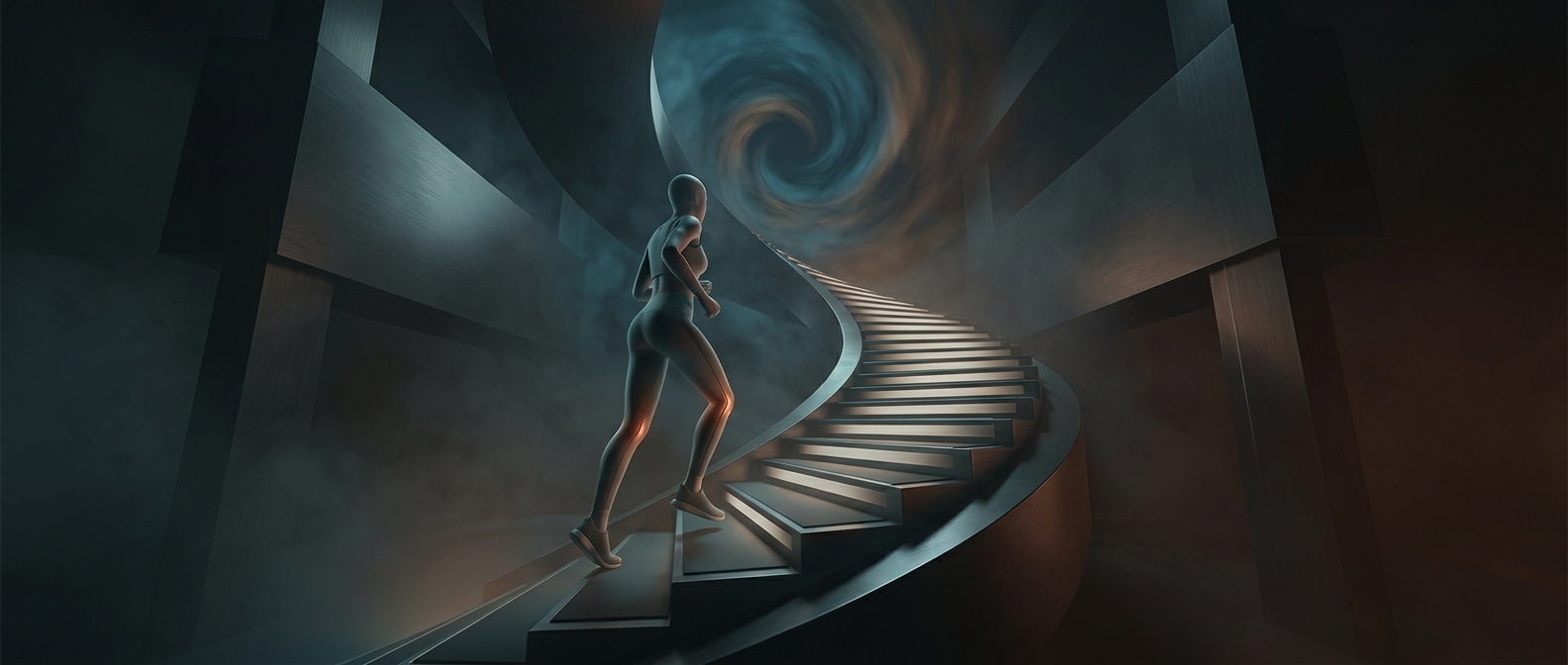
On a stair-climbing machine, the steps are linked into a continuous belt. A motor carries them downward as you step upward, bringing each tread back around for another turn. The machine’s frame absorbs the motion, so your effort produces repeated climbing rather than forward travel.
That closed loop solves a practical engineering problem: real stairs require a building, a route, and somewhere to go. A machine can provide a repeating climb in a small footprint, with the pace set by its controls. Slowing or stopping the moving steps gives you a way to manage the challenge without needing a landing or a downhill return.
What the machine reproduces—and what it leaves out
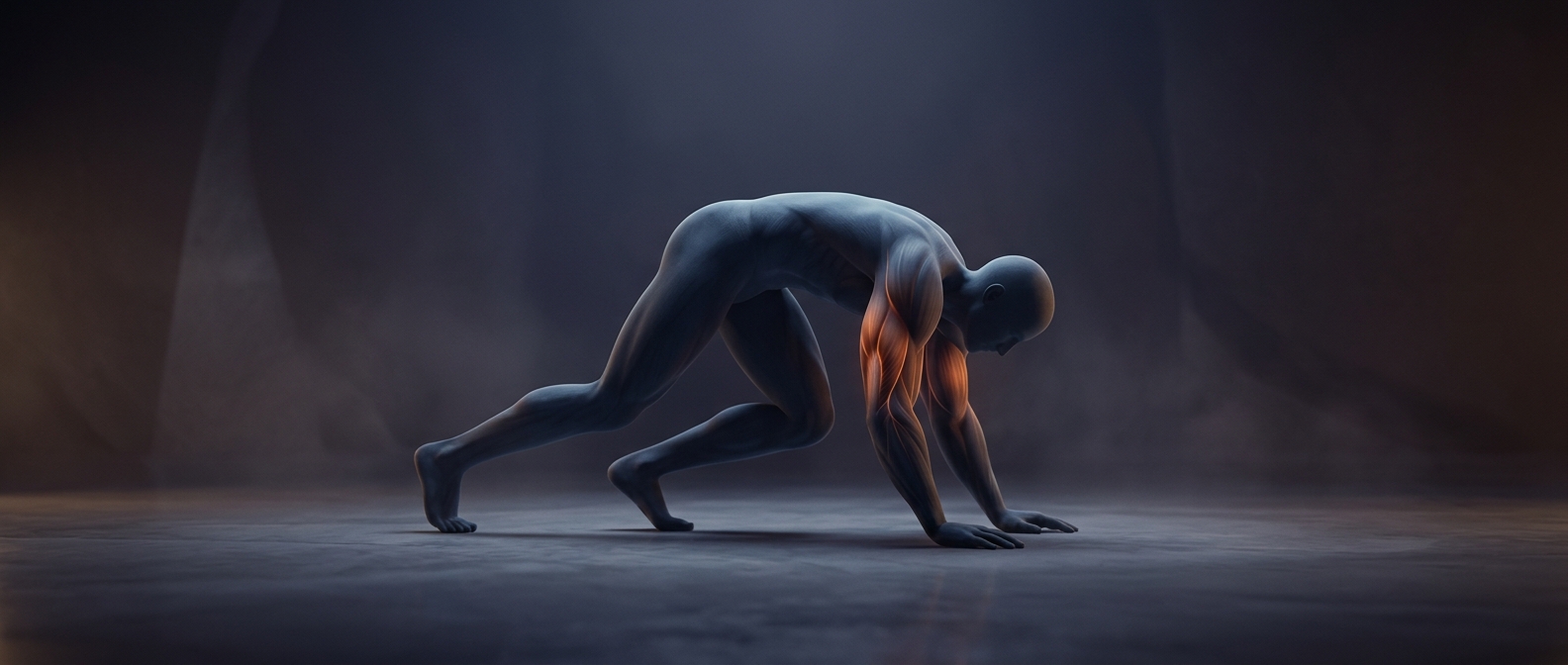
Each upward step means lifting your body against gravity, so the exercise works the muscles that extend the hips and knees, including the glutes and thighs. The machine makes that effort repeatable: the next step arrives whether or not you have gained any height in the room.
But it is not a miniature version of every stair journey. There are no turns, landings, changing step heights, or downhill sections to negotiate. The machine isolates the repeated upward part of climbing while removing the route itself. That is why a workout can feel like a long ascent even though, mechanically, you finish exactly where you began.