Why a few bear-crawl steps feel like a full-body effort
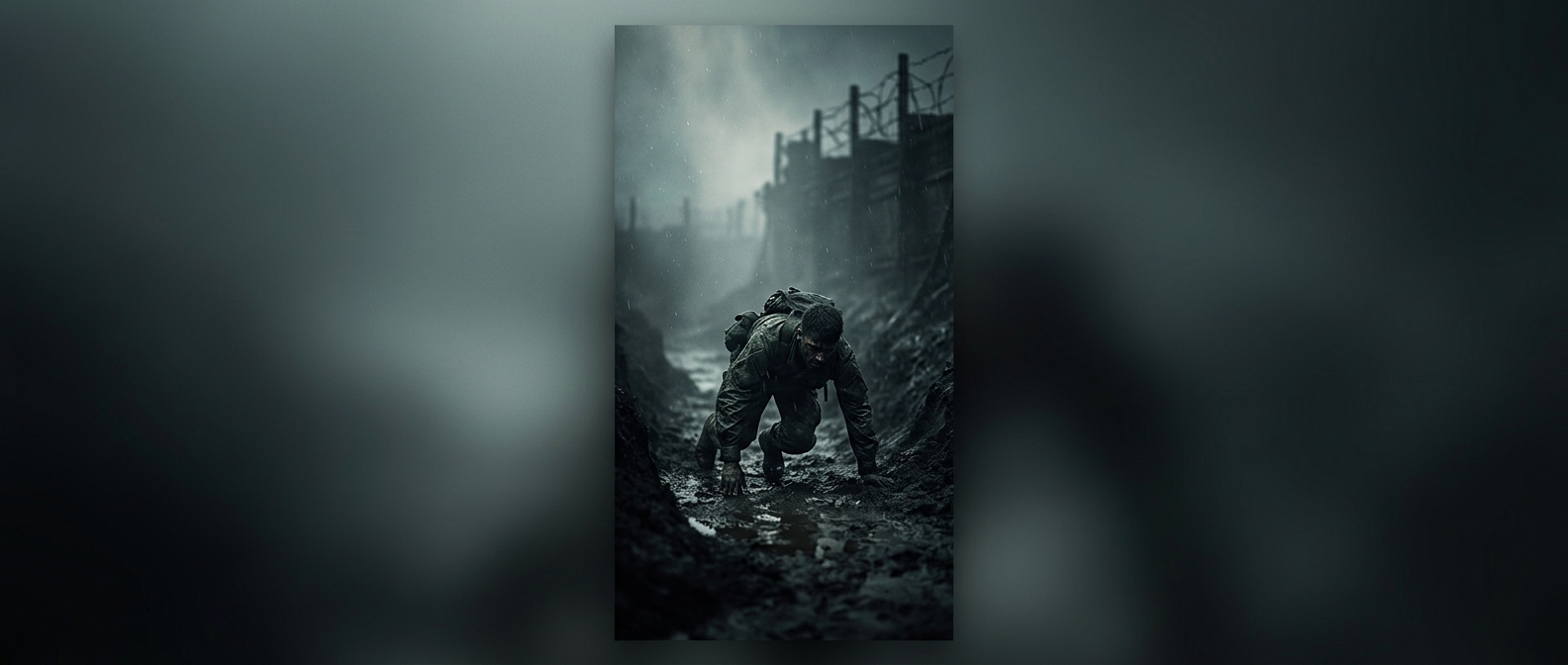
A bear crawl is not simply walking with your hands on the ground. In a typical version, you keep your knees hovering while moving opposite hand and foot forward together. That means your body must stay steady as its support points shift, rather than resting its weight over two legs in an upright stance.
Every step briefly narrows your support
As one hand and the opposite foot lift, the other hand and foot must carry more of your weight. Your shoulder and arm press into the floor, while muscles around your trunk resist twisting or letting your hips sag. The legs keep the knees tucked and help move the body forward. Much of this work is continuous: even when a limb is not taking a step, it is helping hold the position.
The low posture adds another constraint. You have to keep your hips elevated without straightening up, so the trunk and hips remain engaged throughout the crawl. A small loss of control—hips rising, knees touching down, or the body rocking—can make the movement easier, which is why maintaining a clean crawl can feel harder than simply covering the same distance on foot.
A short route, repeated effort
Walking lets you alternate steps while standing tall and shifting your weight over your legs. A bear crawl instead combines weight-bearing through the arms with ongoing stabilization through the middle of the body. Each new step repeats that demand, and there is little opportunity to relax between limbs.
That is why a short crawl can feel disproportionately tiring: the distance is modest, but nearly every part of the body is helping support or move you at once.