How a Bomber Takes On Fuel Without Landing
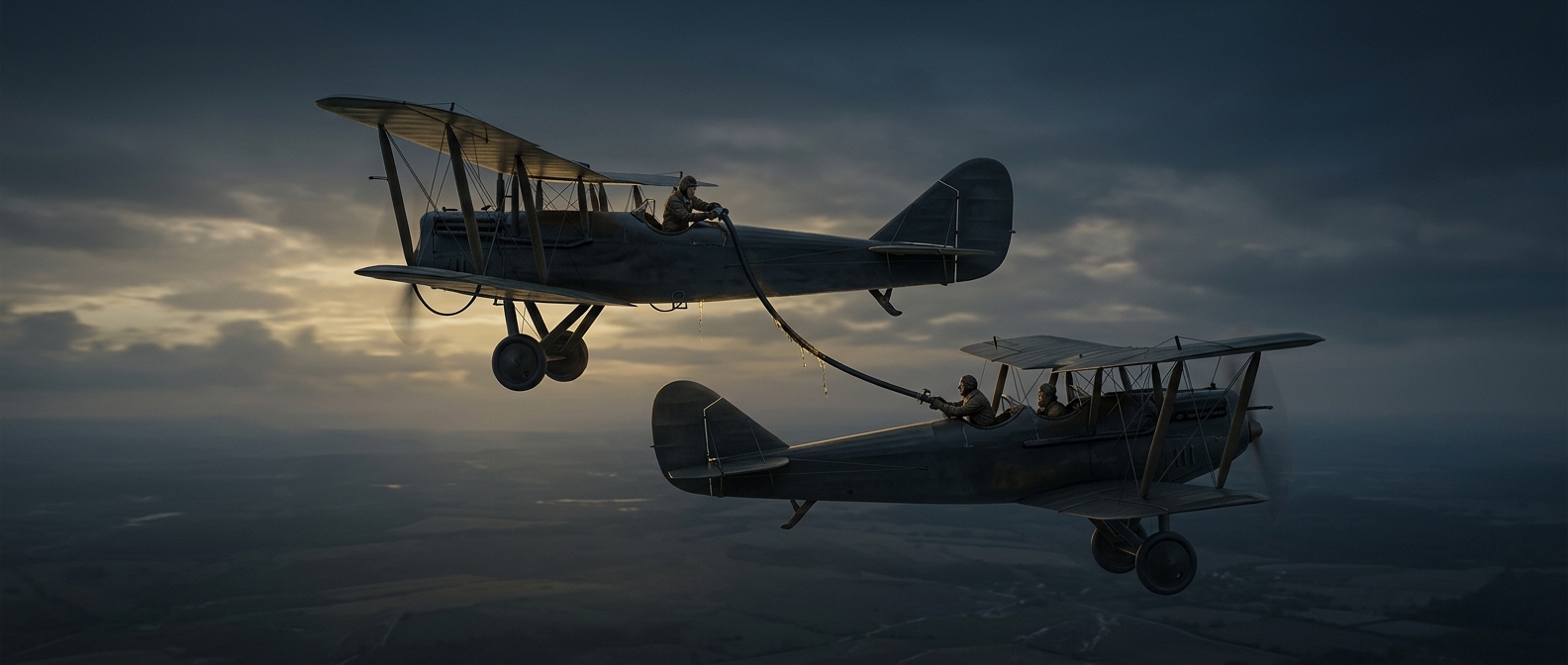
An aerial refueling works like a carefully controlled connection between two aircraft moving through the same patch of sky. The tanker flies a steady course while the bomber approaches behind it and matches its speed and altitude. In a common system, a tanker operator guides a rigid, telescoping boom into a receptacle on the receiving aircraft. Other aircraft use a flexible hose and drogue—a basket-like fitting that the receiver’s probe enters. The method depends on the aircraft involved.
The connection lasts only while both planes stay precisely aligned. A small mismatch in speed or position can strain the equipment, so the pilots make gradual corrections and the tanker crew monitors the transfer. Refueling lets a bomber take on fuel in stages rather than carrying enough for the entire journey from takeoff. That can extend its reach, though it also requires tanker aircraft, coordination, and suitable conditions for rendezvous.
The Aircraft Becomes a Workplace
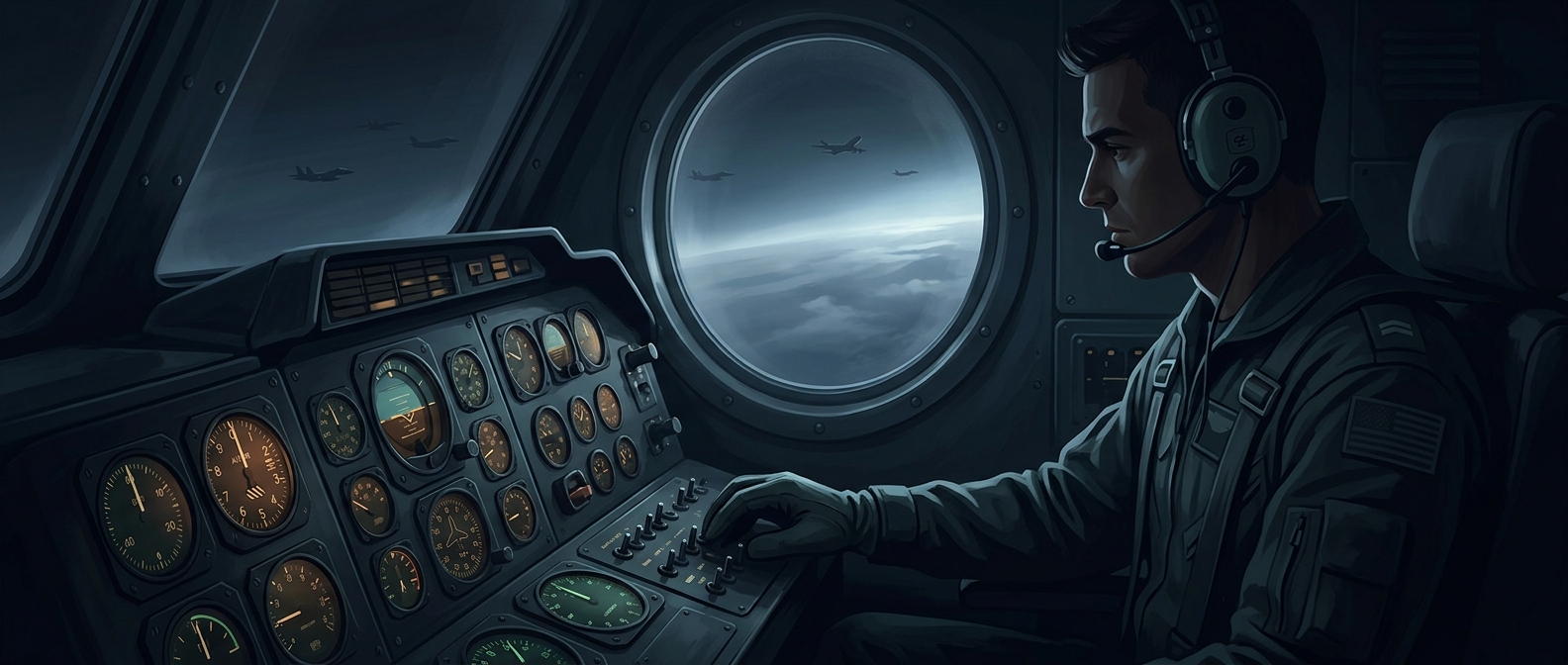
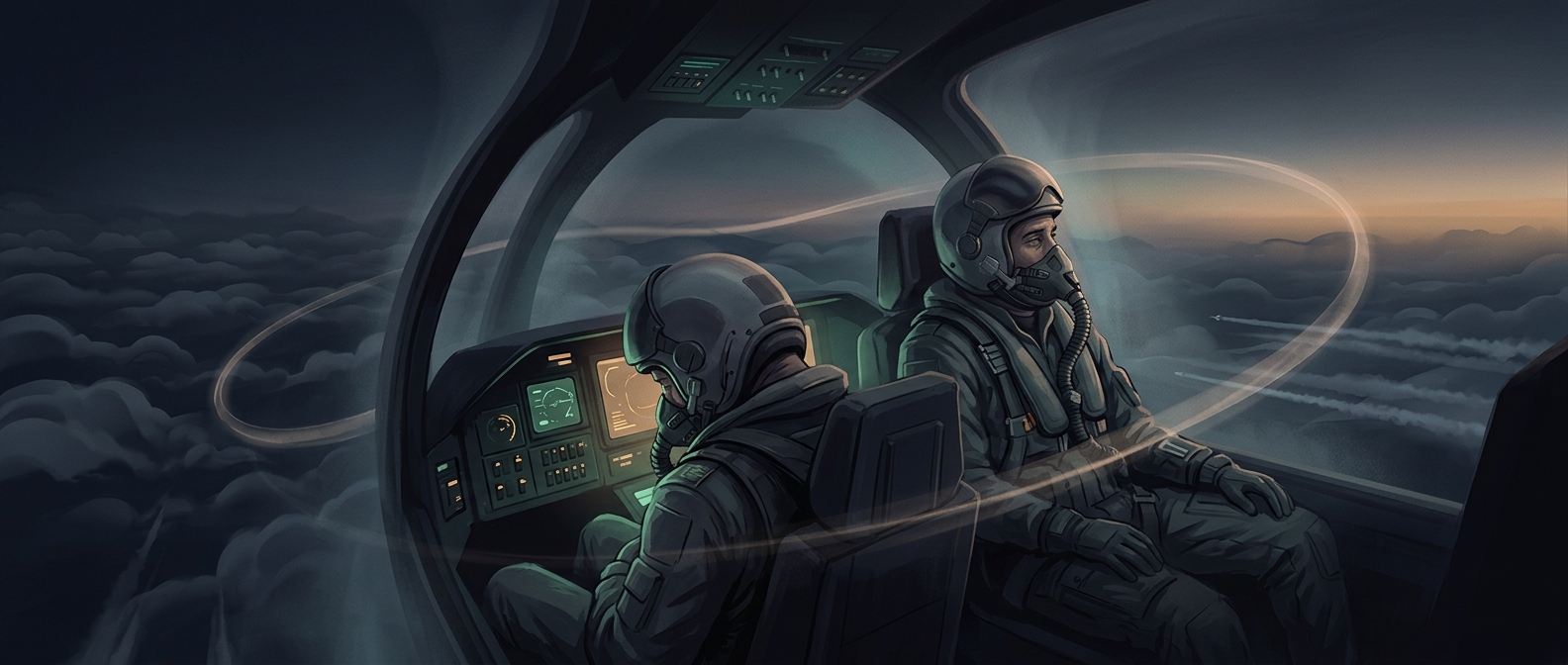
Fuel is only one limit on a very long mission. The crew must also manage fatigue, food, and the repeated demands of operating an aircraft for hours. Rest periods and meals can be organized aboard, but they happen within a confined cabin and around the mission’s schedule—not in the separation of a hotel room or a normal work shift.
That is the operational tradeoff behind missions lasting as long as 30 hours: air refueling removes the need to land for fuel, while the crew and aircraft must keep functioning through the extended flight. A tanker rendezvous is therefore not just a top-up; it is a planned handoff that can keep the mission moving while adding another precise, coordinated task to it.