Why the Typhoon Had Room to Spare
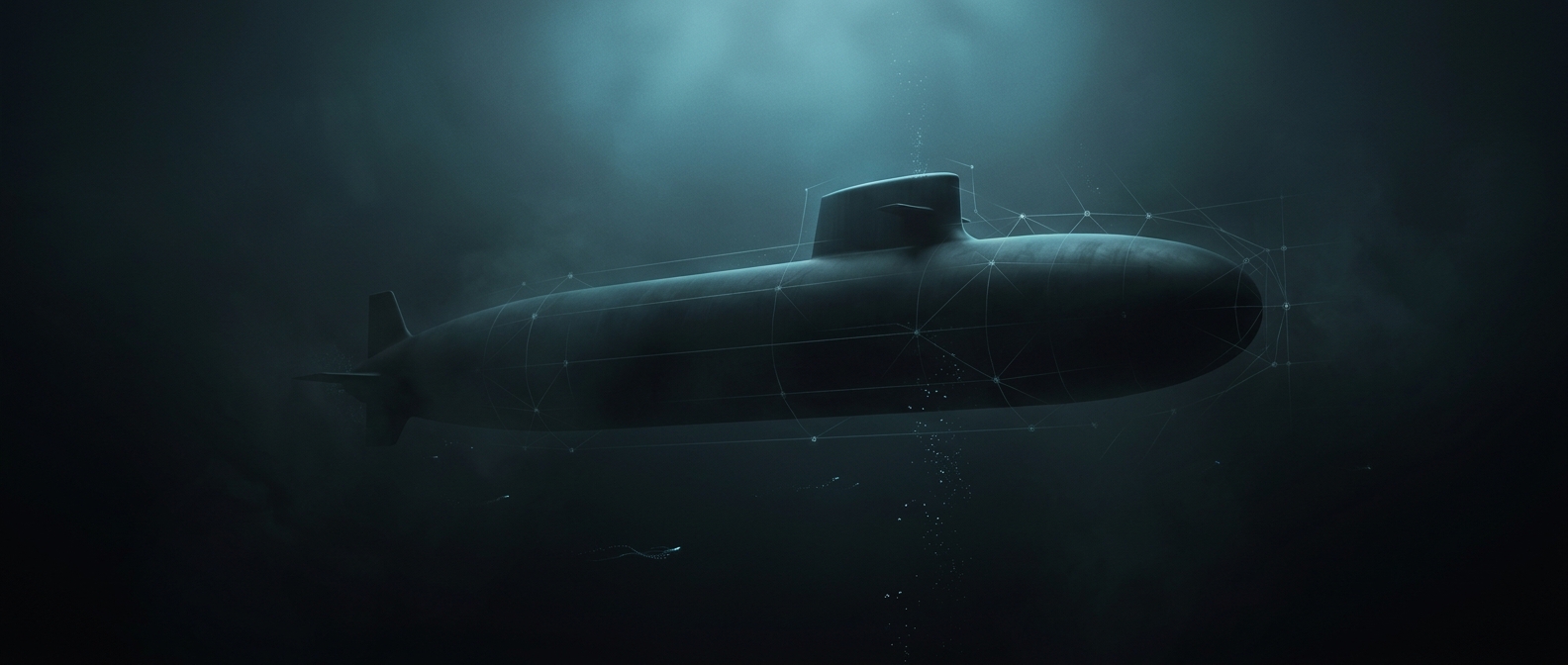
A submarine’s pressure hull is the strong, sealed inner structure that keeps the crew and machinery at survivable pressure underwater. The Typhoon’s designers arranged two large pressure hulls side by side inside a broader outer hull, rather than fitting everything into one long cylinder. That layout helped accommodate the submarine’s unusually large ballistic missiles and created space for connecting passages and crew facilities between the main hulls.
The outer hull shaped the vessel’s profile in the water, while the pressure hulls carried the crushing load of depth. This separation made the Typhoon exceptionally broad, but it also meant that the interior was not simply one open, resort-like space: it was divided among pressure-resistant compartments, machinery, weapons, and living areas.
Comfort Was Part of Staying Effective
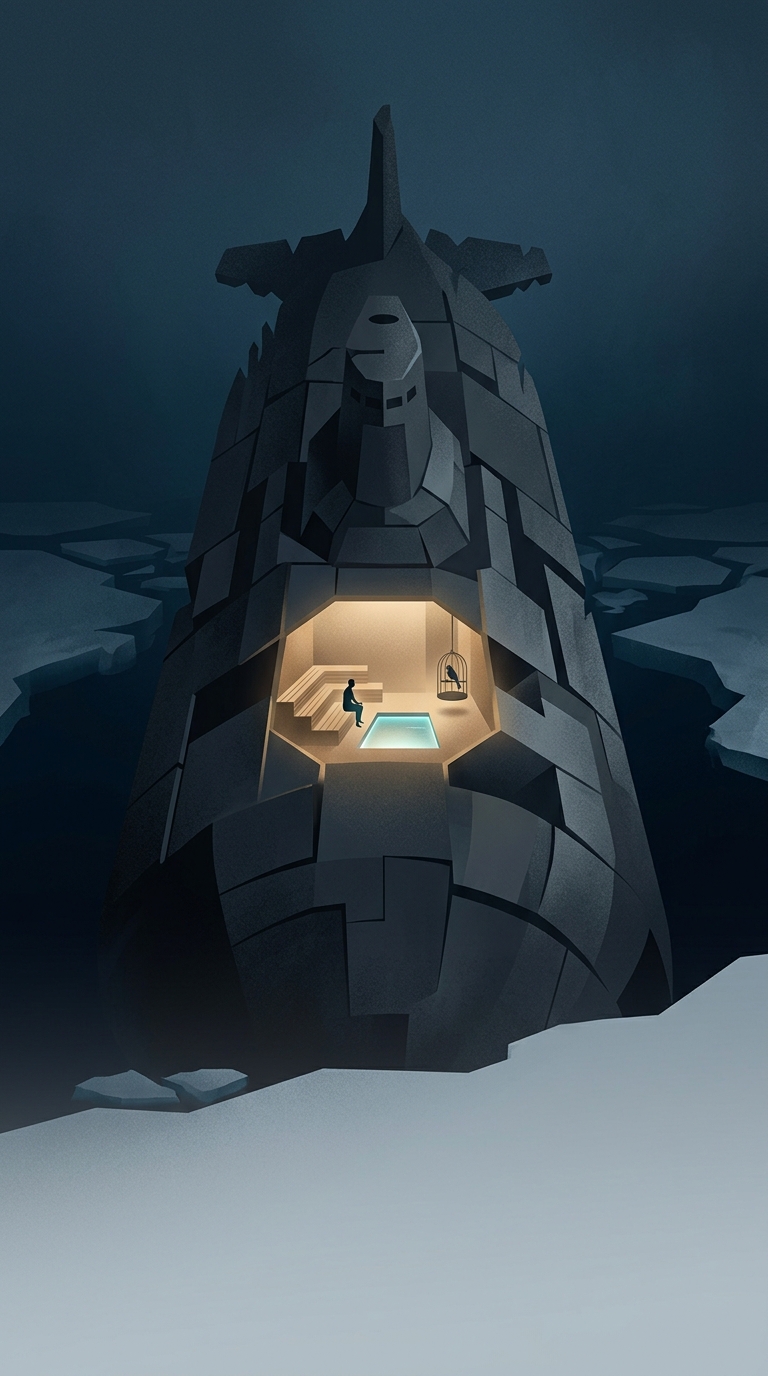
A strategic submarine could spend extended periods away from shore, with its crew living and working in an enclosed environment. Amenities such as exercise and recreation spaces offered a way to manage the strain of confinement and routine. They were not luxuries detached from the mission; keeping a crew able to rest and function was part of operating a vessel built for long patrols.
The result was an unusual engineering bargain. The Typhoon’s size served a military purpose, but its internal arrangement also made room for facilities rarely associated with submarines. Its celebrated comforts were a consequence of designing a very large underwater weapons platform—and of having to make that platform livable for the people inside it.