Why the crab walk shifts work to your shoulders
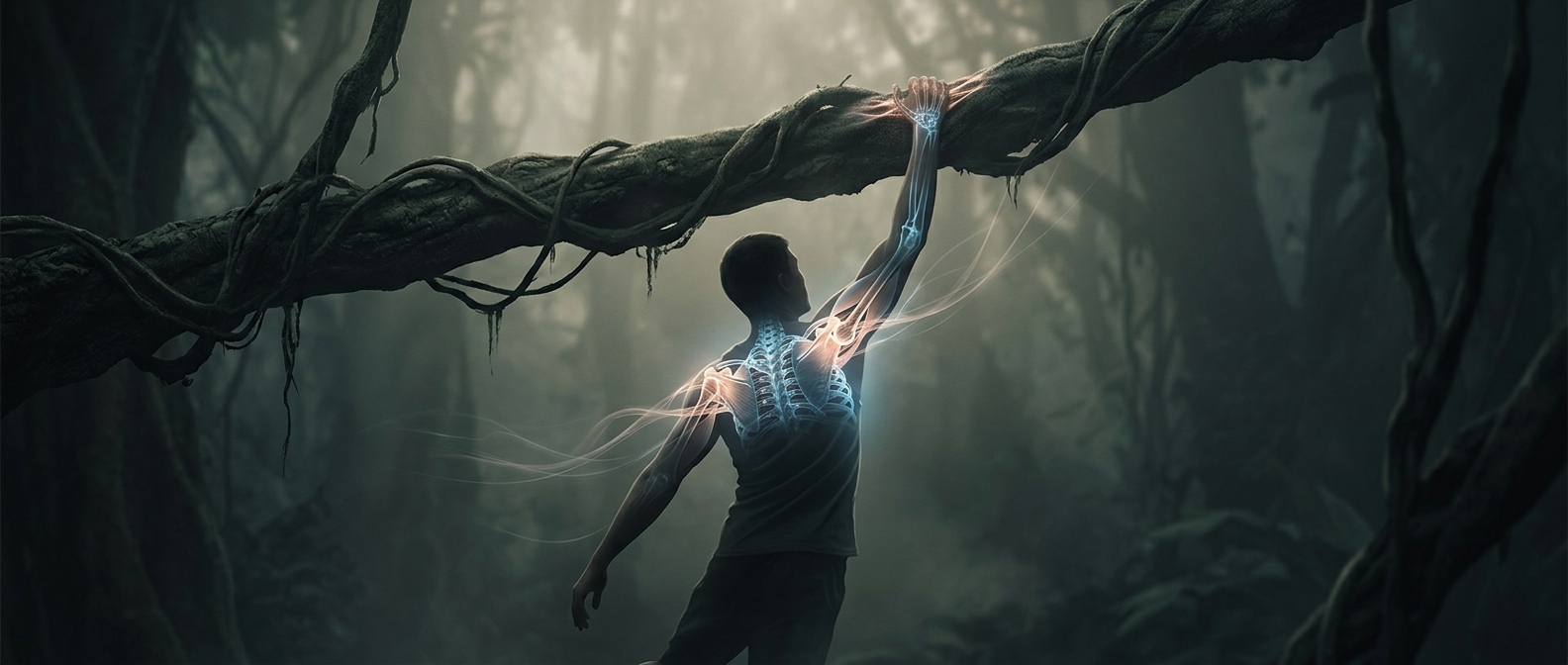
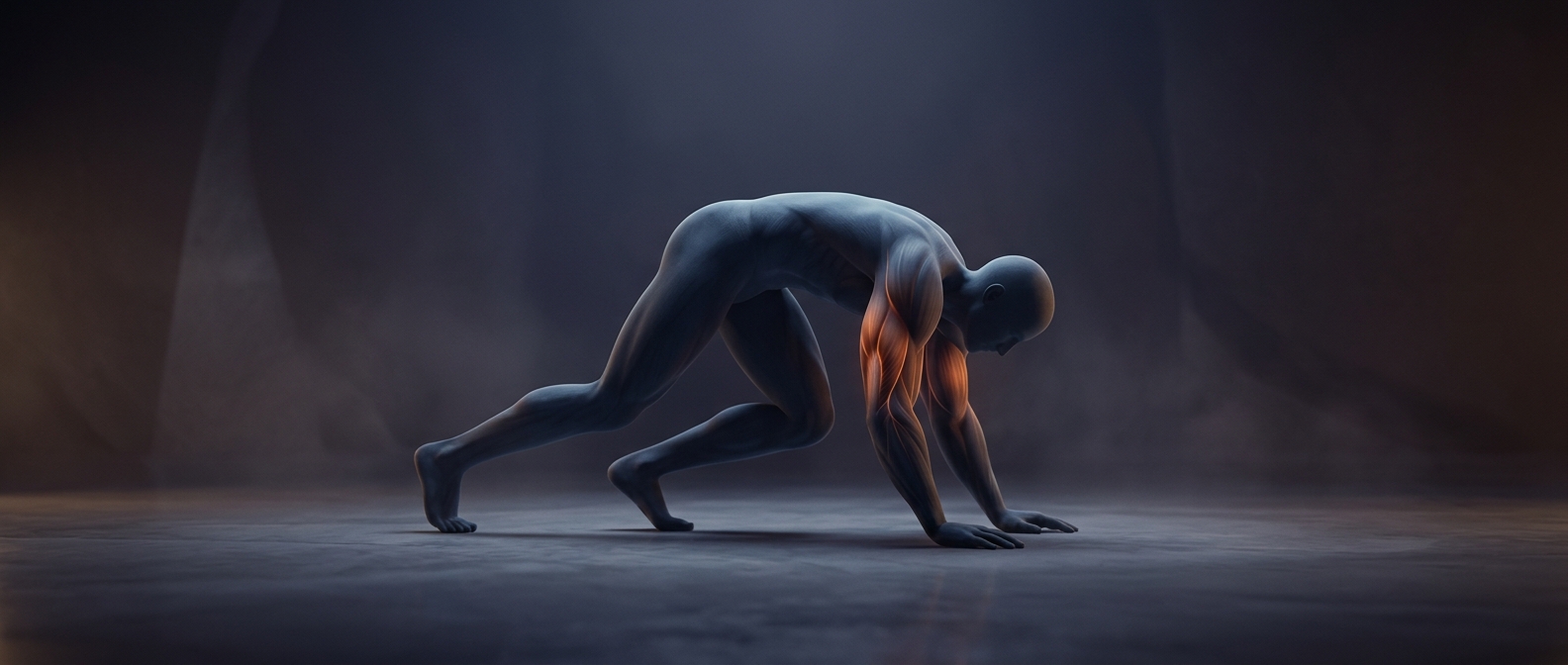
In a crab walk, your hands press into the floor behind you while your hips stay lifted. That position asks your arms to do more than swing: they support part of your body weight, and your shoulder muscles keep your upper body from sagging or twisting as you move.
Each step is a small balance problem
When one hand lifts or reaches to help you shuffle sideways, the other arm has to steady you for a moment. Muscles around the shoulder blade and upper arm tighten to keep the joint controlled while your hand pushes against the ground. Because these muscles stay engaged through much of the movement, they get fewer chances to relax than they would during an ordinary walk.
That sustained effort is called an isometric contraction: a muscle produces force without changing length much. It helps explain why your arms can start burning even though you are traveling slowly. The sideways steps add repeated shifts in pressure, so your shoulders must continually adjust rather than simply hold one perfectly still position.
Why the burn arrives quickly
Your arms are relatively small supports for a task that involves holding up and moving your upper body. If your hips drop, your shoulders may have to work harder to keep you moving; if the position is unfamiliar, the stabilizing muscles can tire before the larger muscles you use in everyday walking do. The result is a crawl that looks leisurely but makes your shoulders act like both pillars and steering gear.