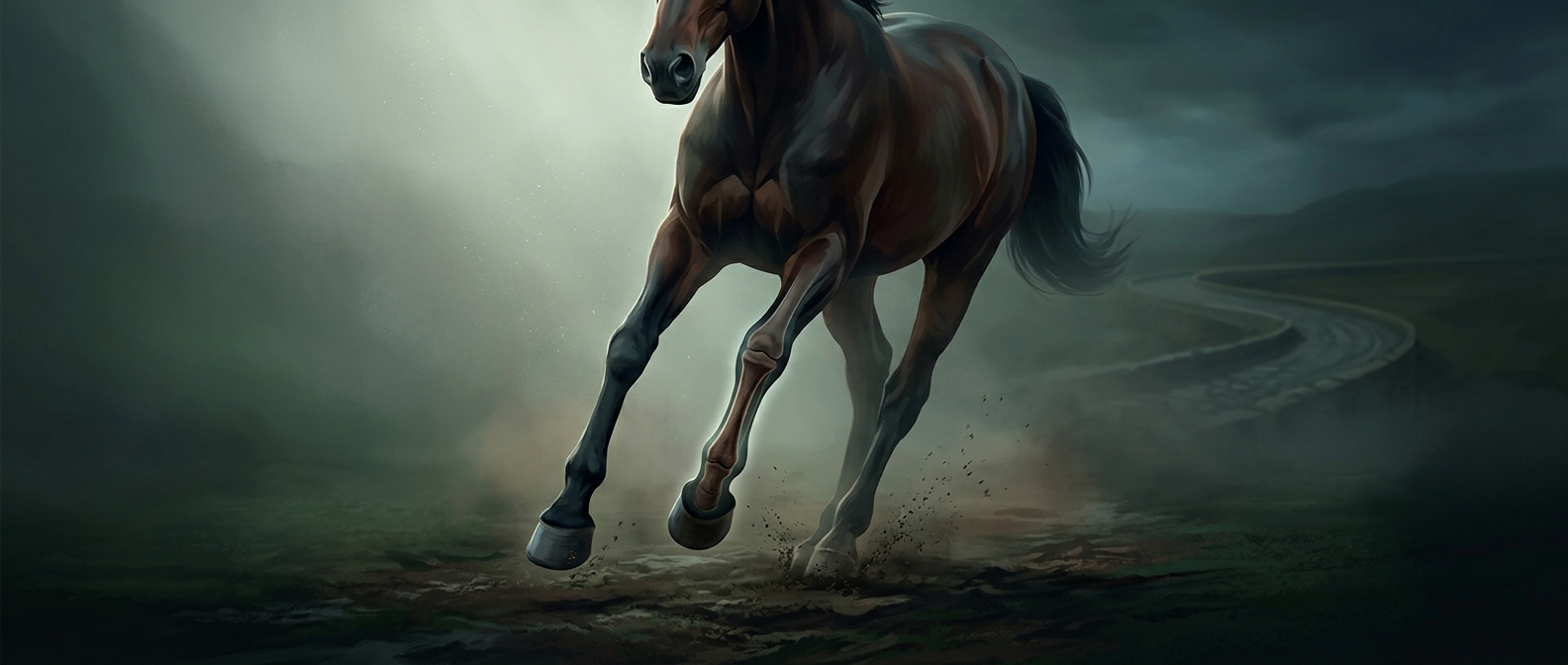
A Hoof Is a Growing, Load-Bearing Surface
A horse’s hoof is made of keratin, the same tough protein found in human fingernails. It grows continuously, but each step puts the hoof under the horse’s weight and exposes it to abrasion. On soft ground, wear may roughly keep pace with growth. On hard roads, rocky trails, or during heavy work, the hoof can wear away faster, leaving it tender and vulnerable.
How a Shoe Helps
A horseshoe provides a replaceable wear surface between the hoof and the ground. It can also be shaped to improve traction for a horse working on slippery or uneven surfaces. The shoe does not cover the sole like a boot; it is fitted around the hoof’s rim, where the outer wall is hard and largely insensitive. A farrier—a specialist who trims and fits horseshoes—drives nails into that wall and clinches their ends so the shoe stays in place.
The fit matters. The farrier trims excess hoof, shapes the shoe to match the hoof’s outline, and checks that it sits evenly. Poorly fitted shoes can cause discomfort or interfere with movement, so fitting is skilled maintenance, not simply attaching metal.
Protection Comes With Upkeep
Because hooves keep growing, shoes need regular attention: they can loosen, wear down, or become mismatched to the hoof as it changes. Some horses do not need shoes, especially if their workload and footing allow their hooves to wear naturally without becoming sore. For a working horse on demanding ground, though, a shoe can help preserve the hoof and provide a more dependable contact with the surface.
The practical tradeoff is simple: metal takes the abrasion that would otherwise wear down living hoof tissue, but the protection only works when the shoe is correctly fitted and maintained.