What Hesychasts Meant by Stillness
Hesychasm is a Christian contemplative tradition whose name comes from hesychia, a Greek word for stillness or quiet. For its practitioners, stillness was not simply sitting in a silent room. It meant gathering attention inward and reducing the stream of thoughts, images, and impulses that pulled the mind away from prayer.
That effort could be demanding. Hesychasts treated distraction as something to notice and set aside, returning attention to prayer rather than following each thought wherever it led. The goal was not to empty the mind as an end in itself, but to become more wholly attentive to God.
Stillness as a Practice
In some forms of Hesychast practice, a short prayer was repeated steadily, giving attention a simple focus. Breath and bodily posture could also be used to support concentration. These were aids, not the essence of the tradition: the central discipline was persistent inward watchfulness, especially over thoughts that stirred fear, pride, anger, or desire.
The word “aggressively” can suggest forceful suppression, but the practice is better understood as strenuous discipline. A practitioner was trying to keep distractions from taking over, not to prove that ordinary thoughts could be erased permanently. Stillness meant repeatedly returning to prayer.
Why Seek a Silent Mind?
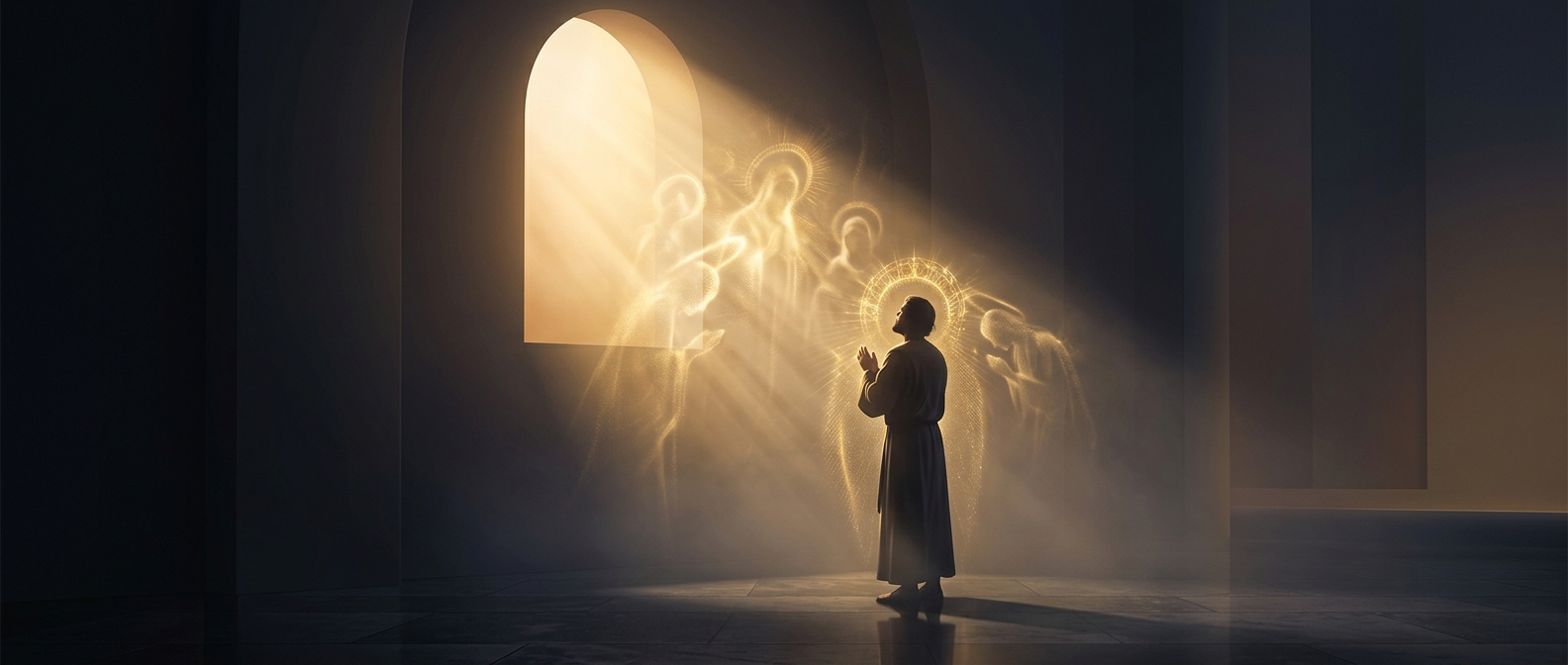
Hesychasts believed that quieting mental turbulence made a person more receptive to spiritual experience. In Eastern Christian theology, this was connected with the possibility of experiencing God’s presence—not a technique that guaranteed a particular sensation. The distinction matters: the discipline aimed at attention and prayer, while its deepest purpose was understood in religious, not merely psychological, terms.
The image of a hesychast is therefore less a person escaping the world than one practicing a demanding form of attention: each time the mind wandered, the work of stillness began again.