Muscle and fat are different tissues
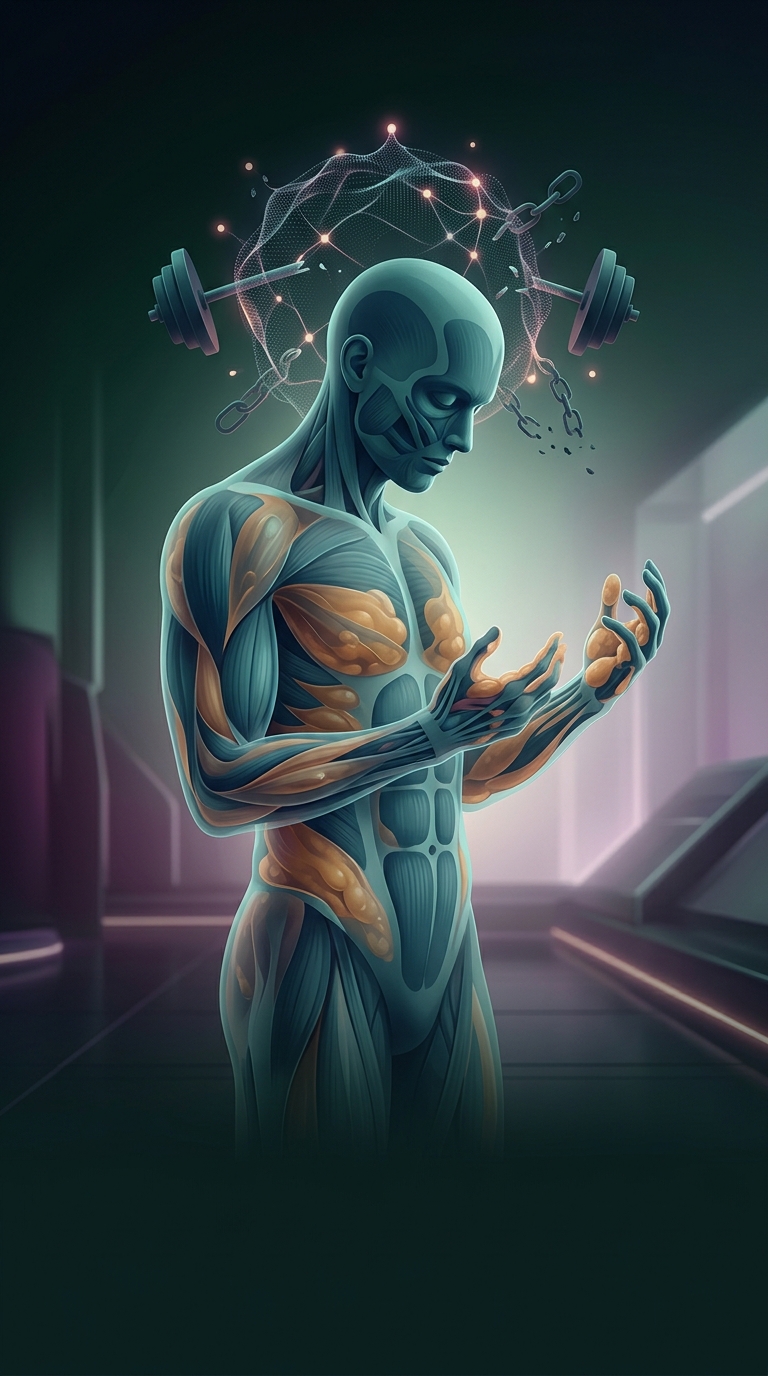
Muscle cannot turn into fat any more than bone can turn into skin. The two tissues have different cells and jobs: muscle contracts to move the body, while fat stores energy. When someone stops lifting, the body does not convert one into the other.
What changes when training stops
Muscle is maintained partly in response to use. Without regular resistance training, the signal to preserve as much muscle weakens, so muscle fibers can gradually shrink. The pace depends on factors such as how long training stops, daily activity, nutrition, and health.
Fat can increase at the same time, but through a separate process. If eating habits stay the same while activity falls, the body may use less energy than it takes in and store more of the surplus as fat. That can make a person look softer or feel as though their muscle “turned into” fat—even though one tissue did not become the other.
Why the change can seem sudden
Muscle loss and fat gain may happen together and alter body shape, while a scale shows only total weight. It cannot reveal how much of that weight is muscle or fat. The practical takeaway is that a break from lifting can change body composition, but the changes have separate causes: less training can reduce muscle, and an energy surplus can add fat.