Why Deadhorse Exists at the End of the Road
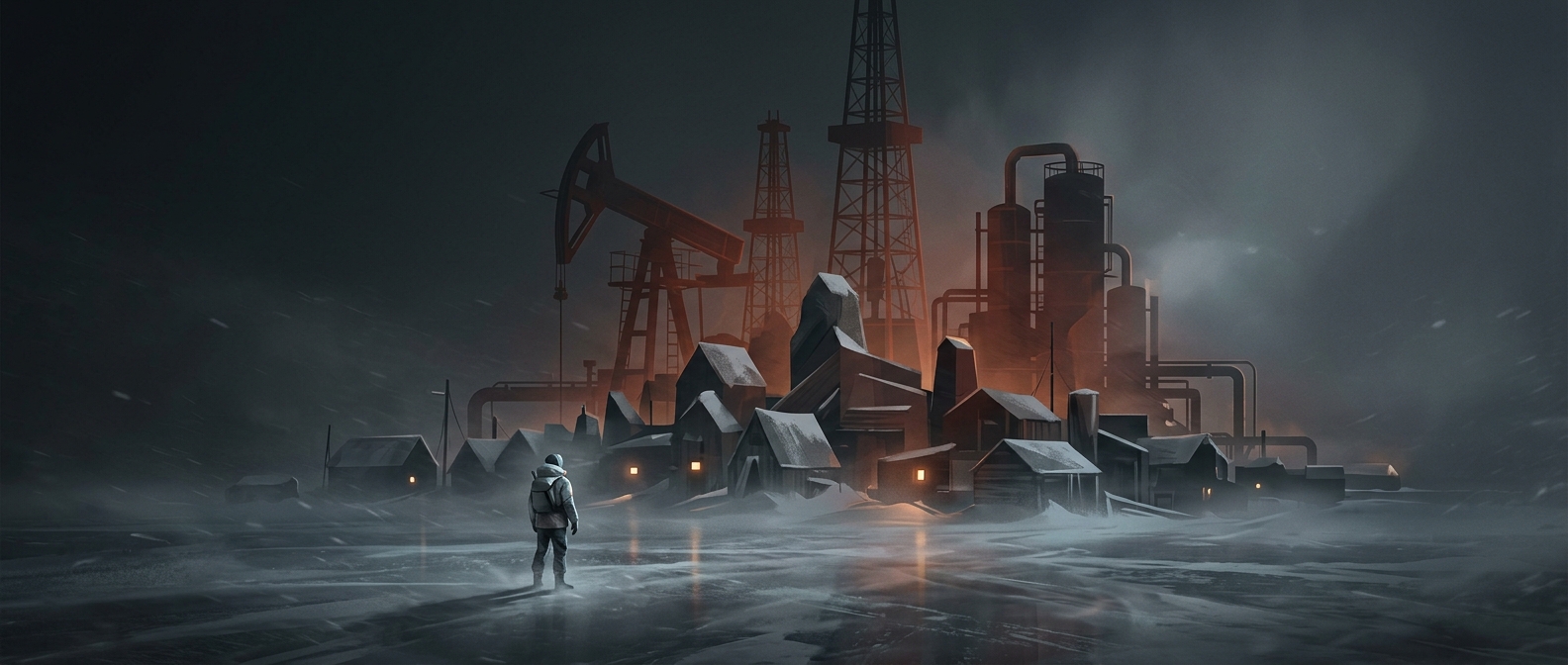
Deadhorse sits on Alaska’s North Slope, near the Arctic Ocean and the Prudhoe Bay oil fields. It is less a conventional town than a working base: buildings, roads, fuel, and services are arranged around the practical needs of oil operations in a place where nearby communities are scarce and the climate makes ordinary construction difficult.
A Supply Base in Arctic Conditions
Oil development requires more than drilling rigs. Workers and equipment need places to stay, machinery needs maintenance, and supplies must be stored and moved across long distances. Deadhorse concentrates those functions near the fields, reducing the effort needed to bring people and heavy loads in from farther south.
The landscape and weather shape how that support works. Much of the ground is tundra, where thawing soil can shift and damage roads or foundations. Buildings are therefore commonly raised above the ground, helping limit heat transfer that could thaw the frozen soil beneath them. In winter, severe cold and wind make enclosed, connected work areas especially valuable.
A Place Organized Around Work
The settlement’s population changes with the demands of industry, and many people are there temporarily rather than as long-term residents. That gives Deadhorse a different rhythm from a town built around schools, shops, and a broad range of local jobs. Its services exist primarily to keep remote industrial work operating.
For travelers, Deadhorse is also a practical endpoint on the Dalton Highway, the road that runs north from interior Alaska toward the oil fields. The striking thing is the landscape around it: a remote Arctic region supported by a dense network of equipment and logistics, all gathered to make work possible far from ordinary infrastructure.