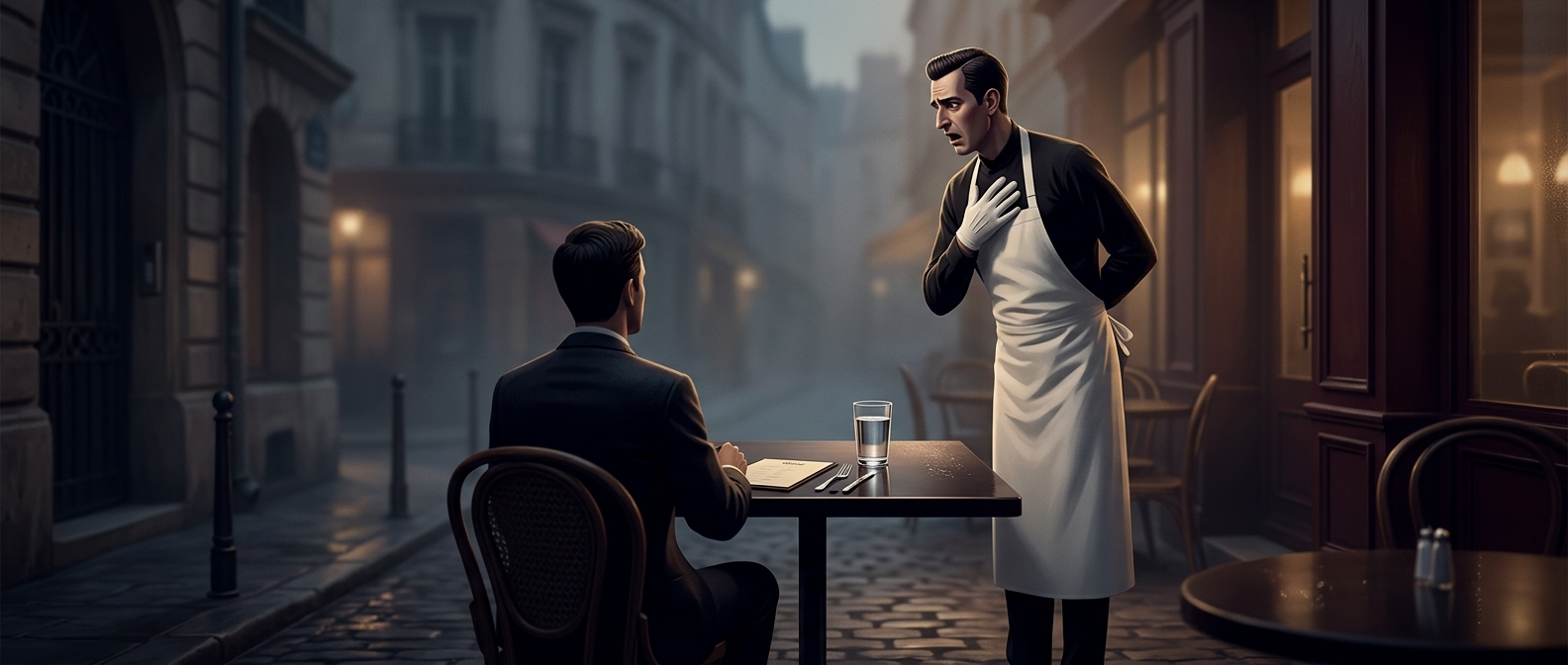
Why water service varies from one European restaurant to another
A restaurant’s default water order reflects local dining habits as much as plumbing. In some places, guests commonly choose bottled water—still or sparkling—and staff may begin by asking which kind they want. In others, a jug of tap water is a familiar part of the table service. Europe is not one uniform restaurant culture, so expectations can change across borders, cities, and even individual establishments.
Bottled water is part of the restaurant’s business
Water is also a menu item. Bottled water has a supplier, packaging, and a price, so offering it is part of the same commercial system as selling other drinks. A server may bring it by default because that is the restaurant’s routine, not because tap water is necessarily unsuitable. Where bottled water is the established choice, a customer who wants tap water may need to make that preference explicit.
“Still” means non-carbonated; “sparkling” means carbonated. Those labels often help distinguish the bottled options, but neither answers whether the restaurant serves tap water.
Make the request clear
A simple, direct question—whether tap water is available—is more useful than assuming that water will arrive free with the meal. If the answer is no, or the staff offers bottled water instead, the menu or a follow-up question can clarify the price and options. That small exchange turns an unspoken service convention into a clear choice before a bottle reaches the table.