When a health metric becomes a target
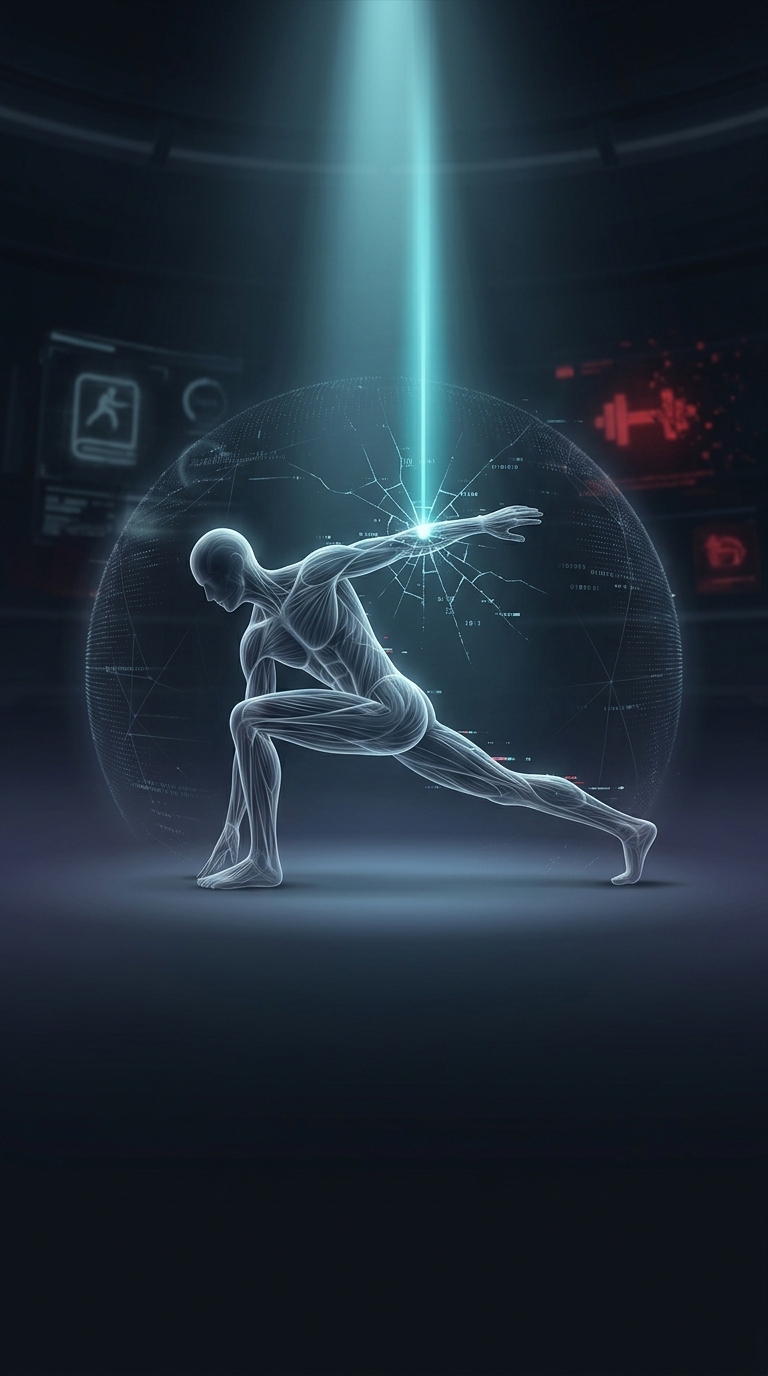
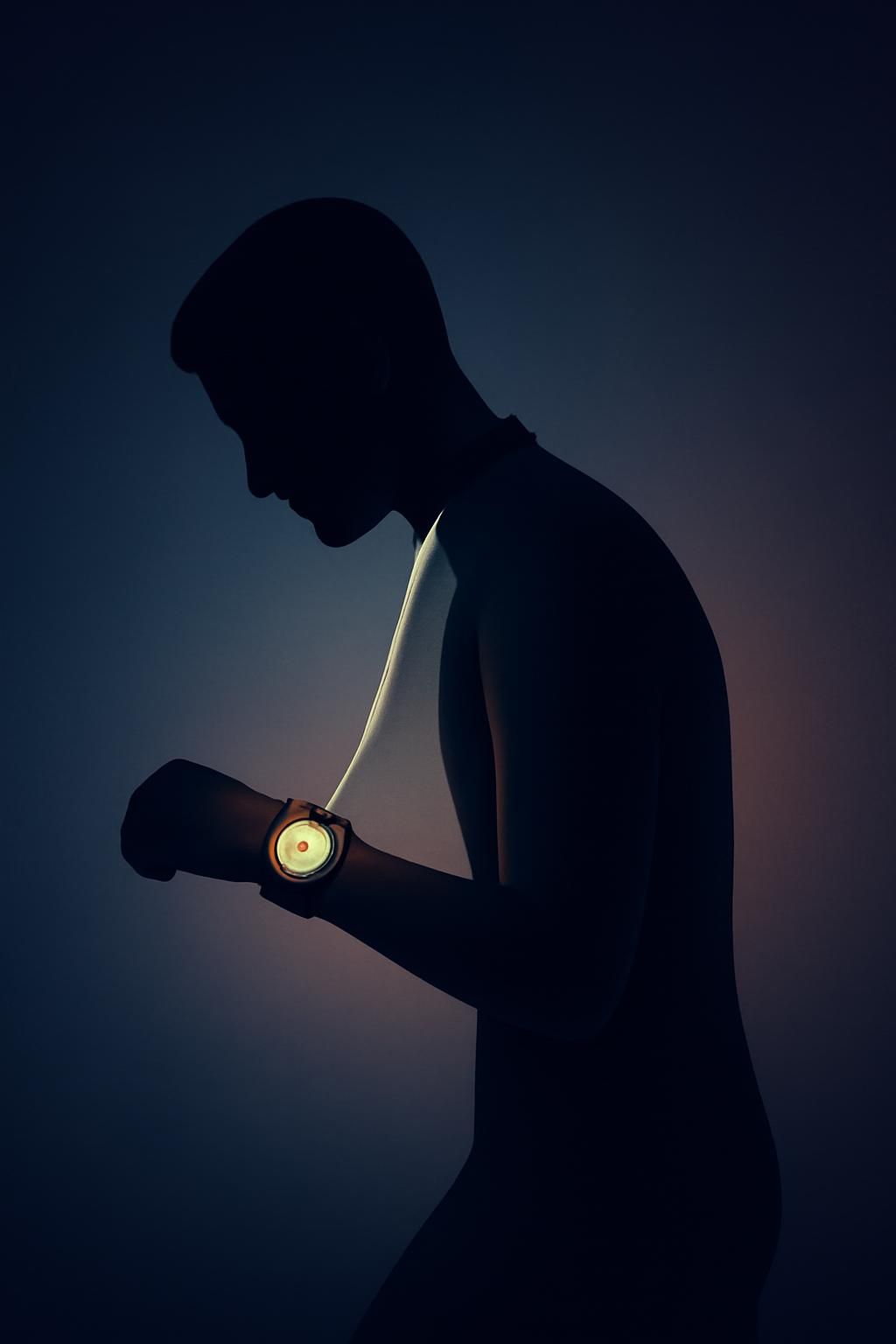
Activity rings and sleep scores turn complicated bodily experiences into simple signals: a circle closes, a number rises, a streak continues. That simplicity can help people notice patterns and build routines. It can also shift attention from the underlying goal—feeling well and moving safely—to the score itself.
This is a familiar effect of measurement. A metric is only a stand-in for something harder to measure. Closing a ring may represent movement, but it cannot tell whether a particular workout is sensible when someone is sore, ill, or exhausted. Once the score becomes the goal, people may optimize for what the device counts rather than what their body needs.
Why the pressure can build
A streak adds a cost to stopping: rest can feel like losing progress, even when rest is the useful choice. Notifications and visible progress make the reward immediate, while the benefits of recovery are less obvious. The result is a feedback loop in which checking the device, earning its signal, and protecting the next signal become habits of their own.
Sleep tracking can create a similar loop. A score is an estimate based on signals such as movement and heart rate, not a direct measure of how rested a person feels. If someone checks the number anxiously, that worry can make bedtime more tense; a bad score the next morning may then heighten concern about the following night. The device is recording and interpreting clues, not issuing a verdict on the body.
Keep the tool in its place
A useful metric should support a decision, not overrule basic needs. Treating scores as clues—and allowing a missed ring or broken streak to be unimportant—helps preserve their value without making every day a test. The practical question is not whether the circle closed, but whether the routine is helping without making movement or sleep feel like another obligation.