Why the cooldown matters after an evening workout
Sleep is easier to begin as the body shifts toward its nighttime state, including a gradual drop in core temperature. Exercise temporarily pushes temperature up and raises heart rate and alertness. Afterward, blood flow to the skin helps release heat, and sweating helps cool the body. Once that recovery is underway, the workout’s immediate effects need not keep someone awake.
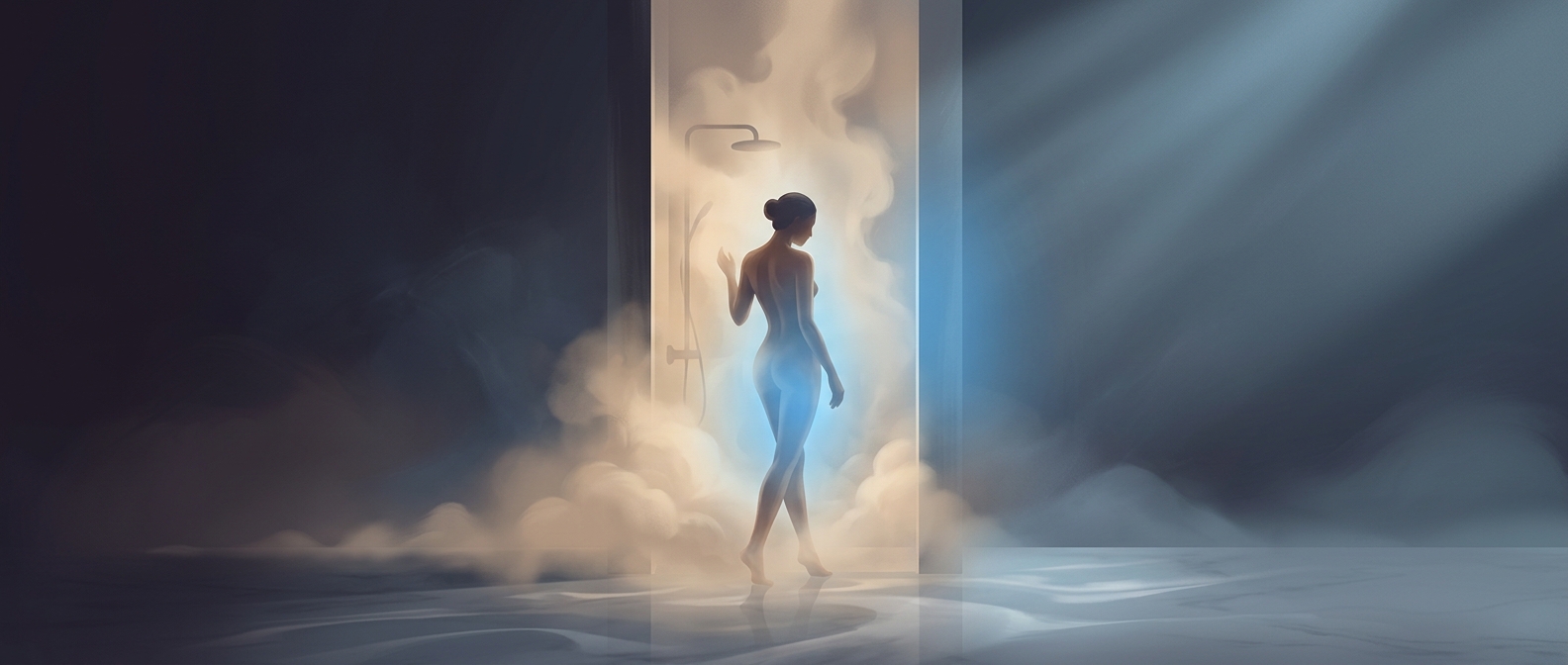
The transition can feel different after a hard session than after gentle movement. If someone is still hot, keyed up, or breathing hard when they get into bed, settling down may take longer. A calm cooldown and enough time to shower, hydrate, and feel physically comfortable can make bedtime less abrupt; there is no single interval that works for everyone.
The phone can keep the brain on alert
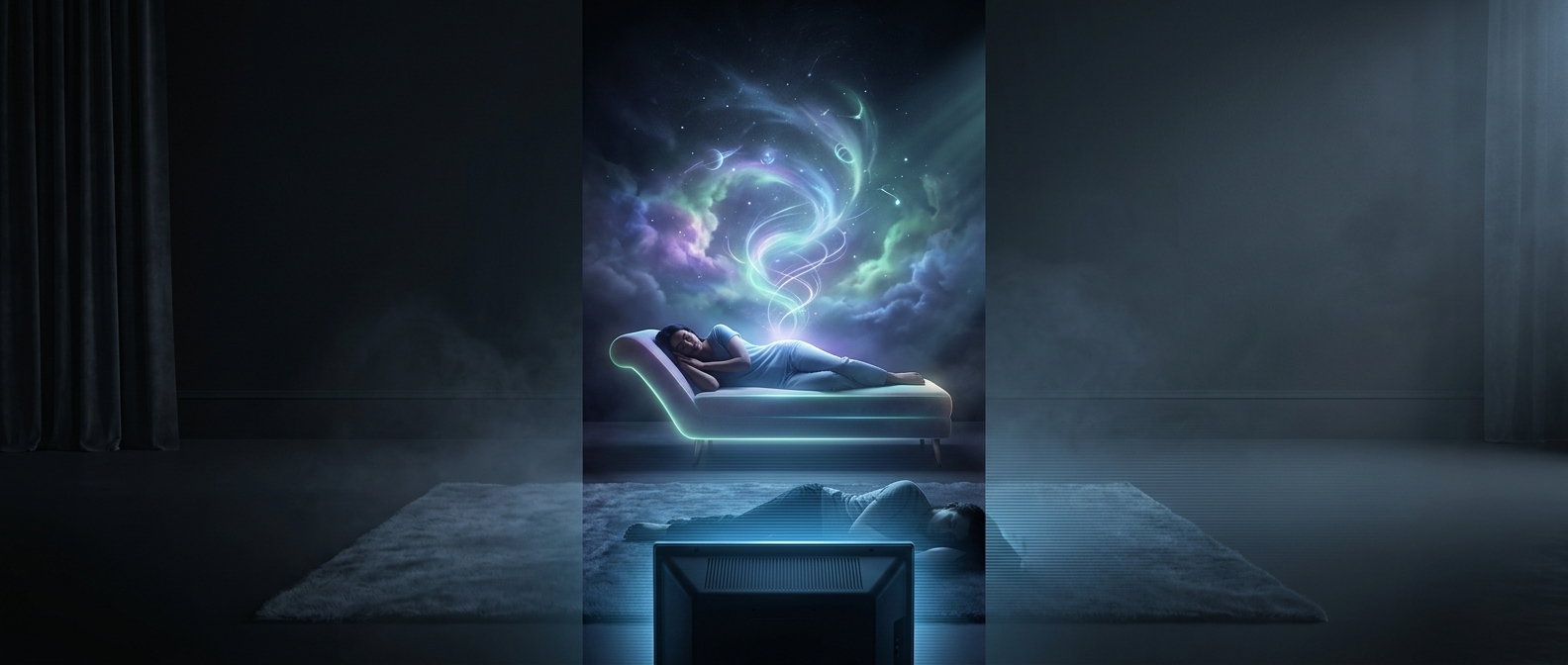
A bright screen adds a separate obstacle. Light reaching the eyes at night can influence the body clock—the system that helps coordinate sleep and wakefulness—and delay the usual nighttime signals. Scrolling or messaging can also keep attention engaged when the goal is to disengage.
That distinction explains why a late workout and a late-night screen do not have identical effects. The body can recover from exercise as it cools, while a phone may continue supplying light and stimulation right up to lights-out. If sleep feels difficult after an evening session, the useful question may be not only how late the workout ended, but whether the body had a chance to settle—and whether the screen stayed on until bed.