A closer look
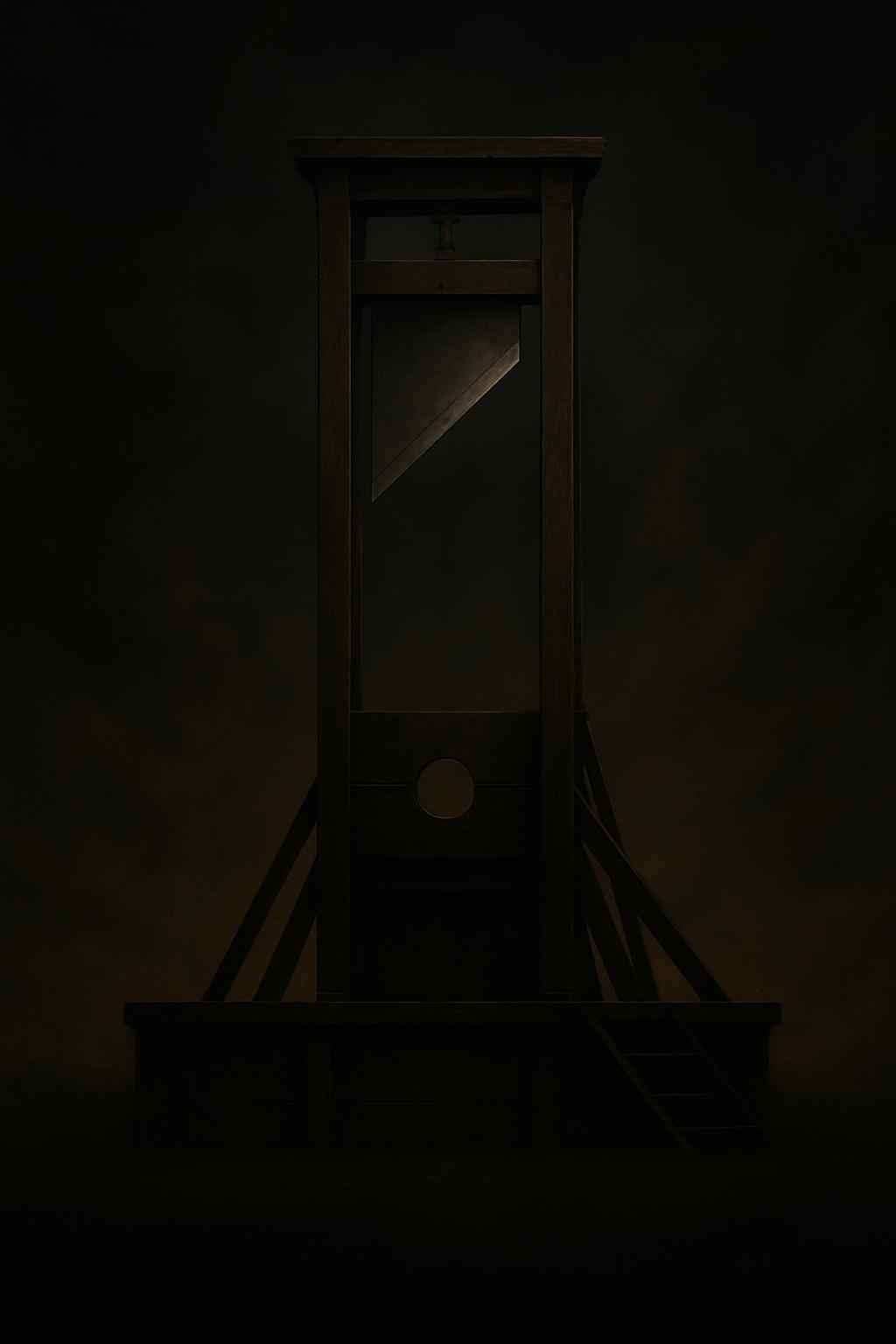
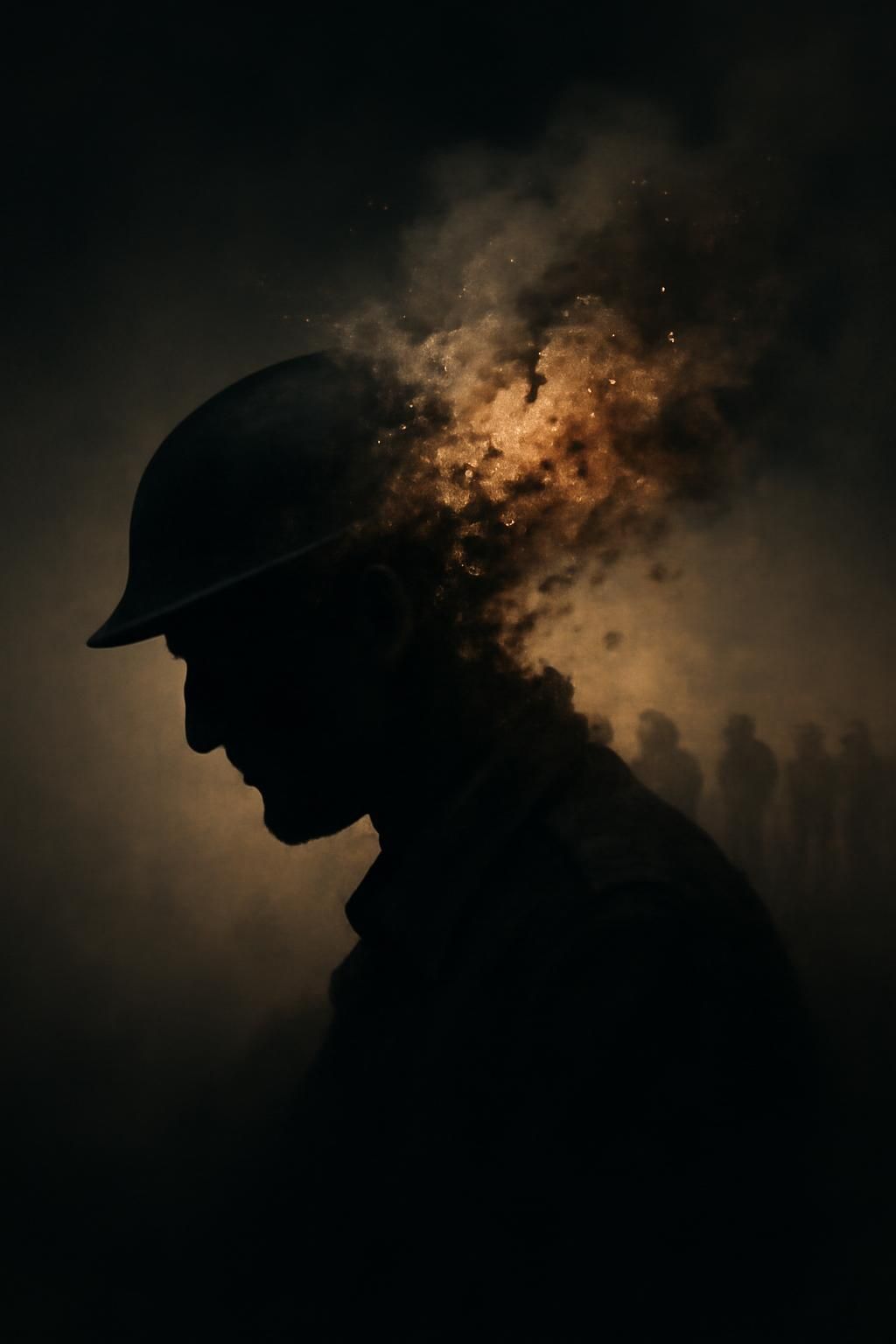
Phrase 'shell shock' was once dismissed as cowardice, not a real wound. During World War I, thousands of soldiers broke down with tremors, paralysis, stuttering, or total emotional shutdown after weeks in the trenches. Generals assumed they were faking to avoid battle, because their bodies looked fine. Only slowly did doctors realize the human nervous system could be shattered by relentless explosions, fear, and sleep deprivation alone. Some soldiers were treated gently; others were executed for 'desertion' while clearly traumatized. The controversy around shell shock helped force armies to confront the invisible costs of war, eventually shaping how we talk about combat stress and trauma today. Every modern debate about invisible wounds—whether from war, abuse, or disasters—quietly stands on the graves of those men who were punished for symptoms no one yet had the language to understand.