A tiny resonator sets the pace
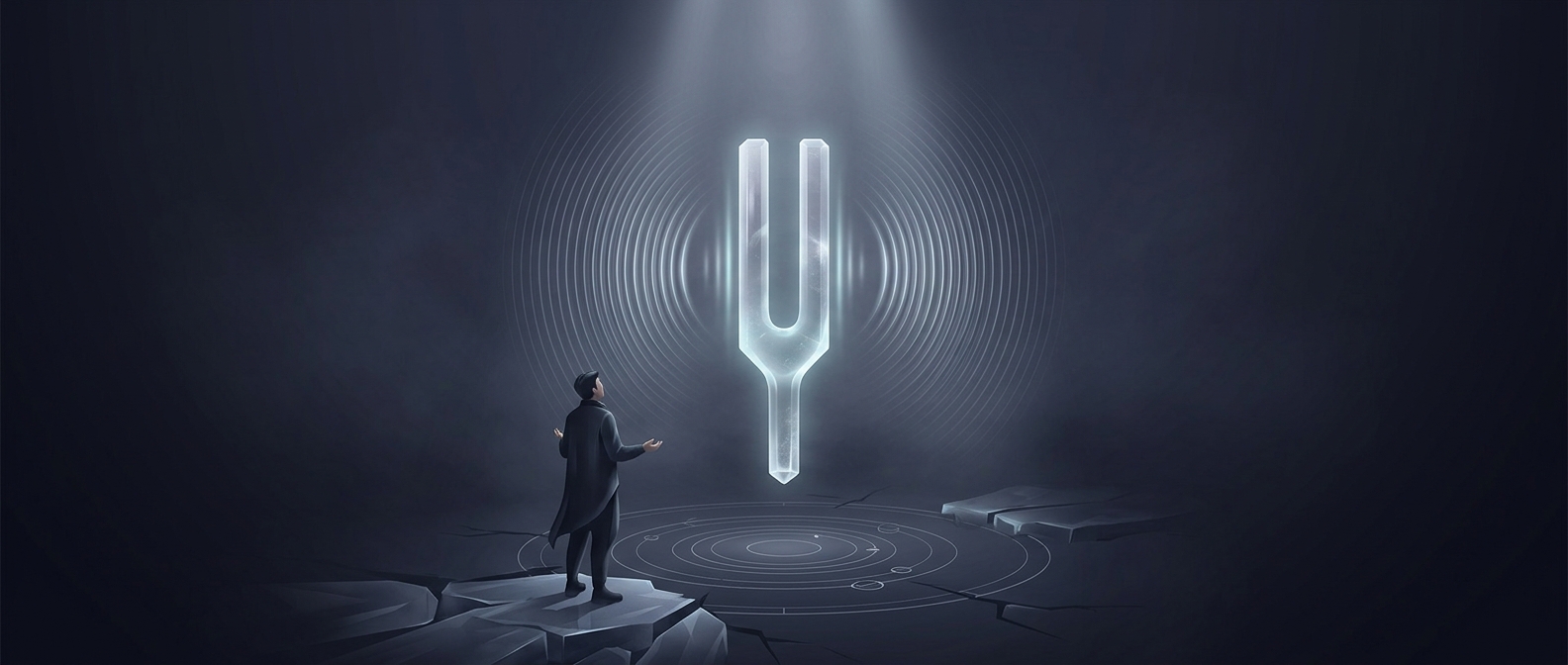
Inside a quartz watch, a small crystal is shaped like a tuning fork. When the circuit applies an electric field, quartz bends slightly; as it springs back, it produces an electrical signal. The circuit feeds that signal back to the crystal, keeping it vibrating near its natural resonant frequency—32,768 times per second.
That resonance is useful because it is steady. Unlike a mechanical gear train, whose timing can shift with friction or changes in motion, a quartz resonator provides a regular stream of cycles that the watch’s electronics can count.
Why 32,768 is convenient
The number is not arbitrary: it is 2¹⁵, or two multiplied by itself 15 times. A simple electronic divider can halve the incoming frequency at each stage. After 15 halvings, 32,768 vibrations per second become one pulse per second.
That one-second pulse is slow enough to drive the watch’s display. In an analog quartz watch, the circuit uses it to advance a tiny motor and move the hands; in a digital watch, it helps update the time display. The crystal supplies the fast, stable rhythm, while the divider turns that rhythm into a useful beat.
Speed balanced against power
A much higher frequency would require more rapid electronic switching, while a lower one would need fewer divider stages. The chosen rate offers a practical balance: it can be divided down with a small circuit and still provide reliable timekeeping without demanding excessive battery power. So the watch’s familiar one-second tick begins as a vibration far too fast to see—and ends as a pulse the mechanism can use.