A comic panel built for remixing
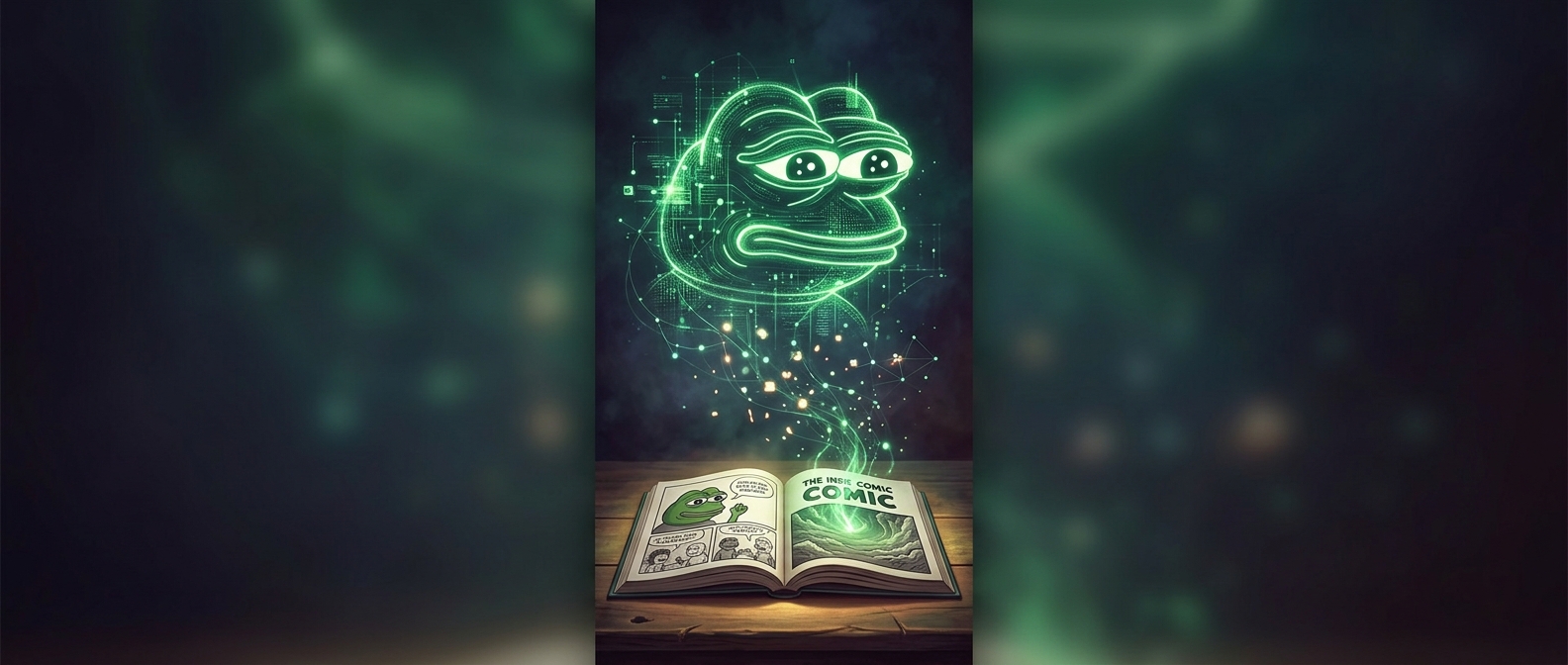
Pepe came from Boy’s Club, a comic by artist Matt Furie about a group of friends drifting through ordinary, often silly situations. That low-stakes setting mattered: Pepe was not designed as a political emblem. He was one character in a comic whose humor came from casual talk and unglamorous everyday behavior.
The drawings were also easy to detach from their original story. Pepe’s clear expressions could stand on their own in a small image, and online users could add a caption, redraw his face, or pair him with a new situation. In that form, he became a flexible reaction image: the same character could communicate contentment, frustration, sadness, or sarcasm depending on the version and the accompanying words.
How a reaction image changed meaning
As Pepe spread across online communities, people used and altered him for different purposes. That process made the character recognizable beyond the comic, but it also loosened the connection between the image and Furie’s original work. Some users later attached Pepe to political and extremist messages, giving the character associations far removed from his laid-back beginnings.
This is a common consequence of remixable internet images: a familiar face can travel farther than its original context, while its meaning is rewritten by whoever shares it. Seeing Pepe in a post therefore does not, by itself, explain what the poster means; the version and surrounding message matter. The contrast between the quiet comic character and the later symbol is a reminder that online images can acquire a public life their creators never intended.