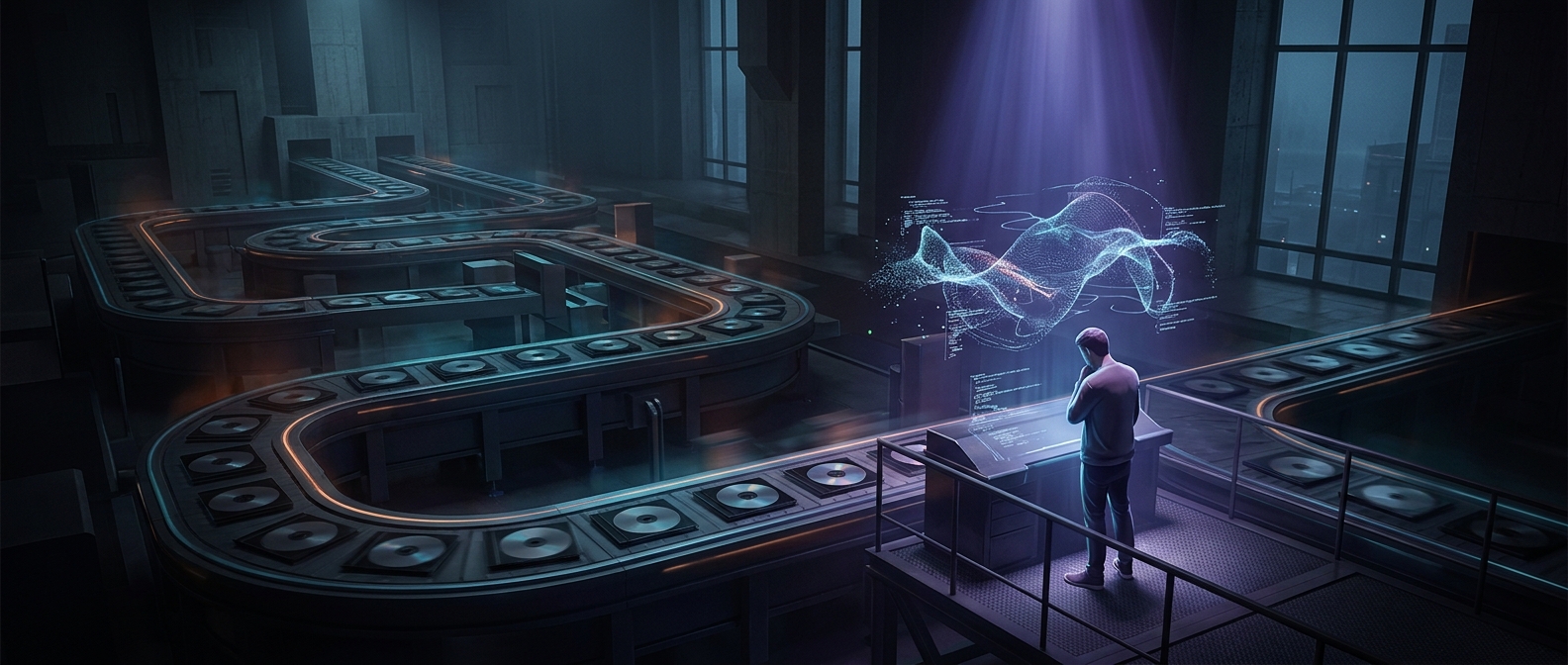
A Disc Can Be the Key, Not the Whole Game
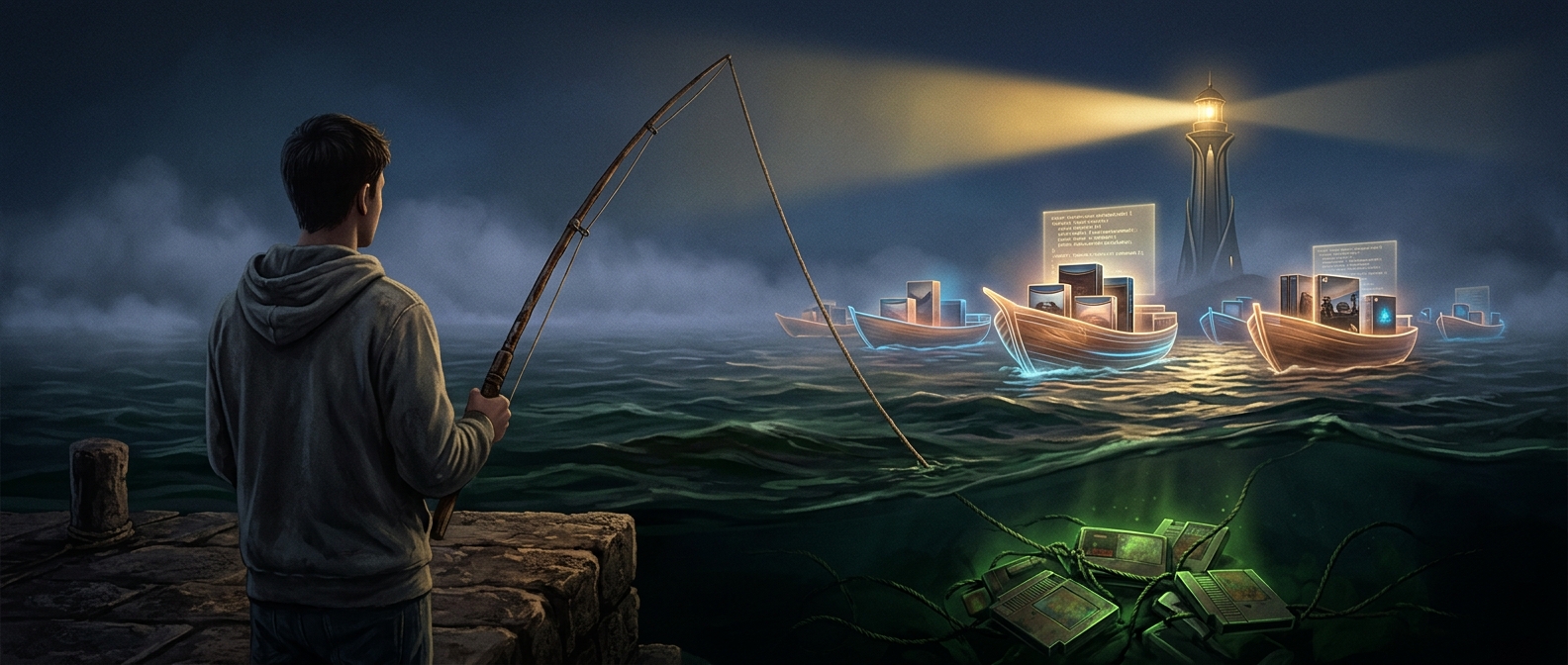
A game disc is often treated as both a storage device and a proof of ownership, but those jobs do not always match. The disc may hold some playable files and give the console a way to verify that the player has a legitimate copy. The console can then download files that are missing from the disc before the game will run—or before all of its features are available.
That can make a physical purchase depend on the publisher’s servers. The disc is still useful: it may be needed to install or launch the game, even if much of the data lives on the console’s drive. But it is not necessarily a self-contained archive that could install the complete game years later without an internet connection.
Why the Files May Not Match
Game development continues close to release. A disc build must be finalized and sent to manufacturing in advance, while developers may keep fixing bugs, improving performance, or finishing content afterward. Those changes can arrive as a day-one update. In other cases, the game’s total size exceeds what the publisher chose—or was able—to put on the disc, so a download supplies additional files rather than merely correcting the ones already there.
The distinction matters: an update can replace or repair existing data, while an additional download may provide material the disc never contained. From the player’s perspective, both can look like a large installation before the opening screen appears.
What “Physical” Guarantees—and What It Doesn’t
Buying a disc usually guarantees a physical item and a route to access the game, but not that every required file is printed onto it. For someone with slow or unreliable internet, the practical test is whether the disc can install and run the game on its own—not simply whether a disc is included in the box. A shelf copy can still depend on a download that is invisible until the console starts installing it.