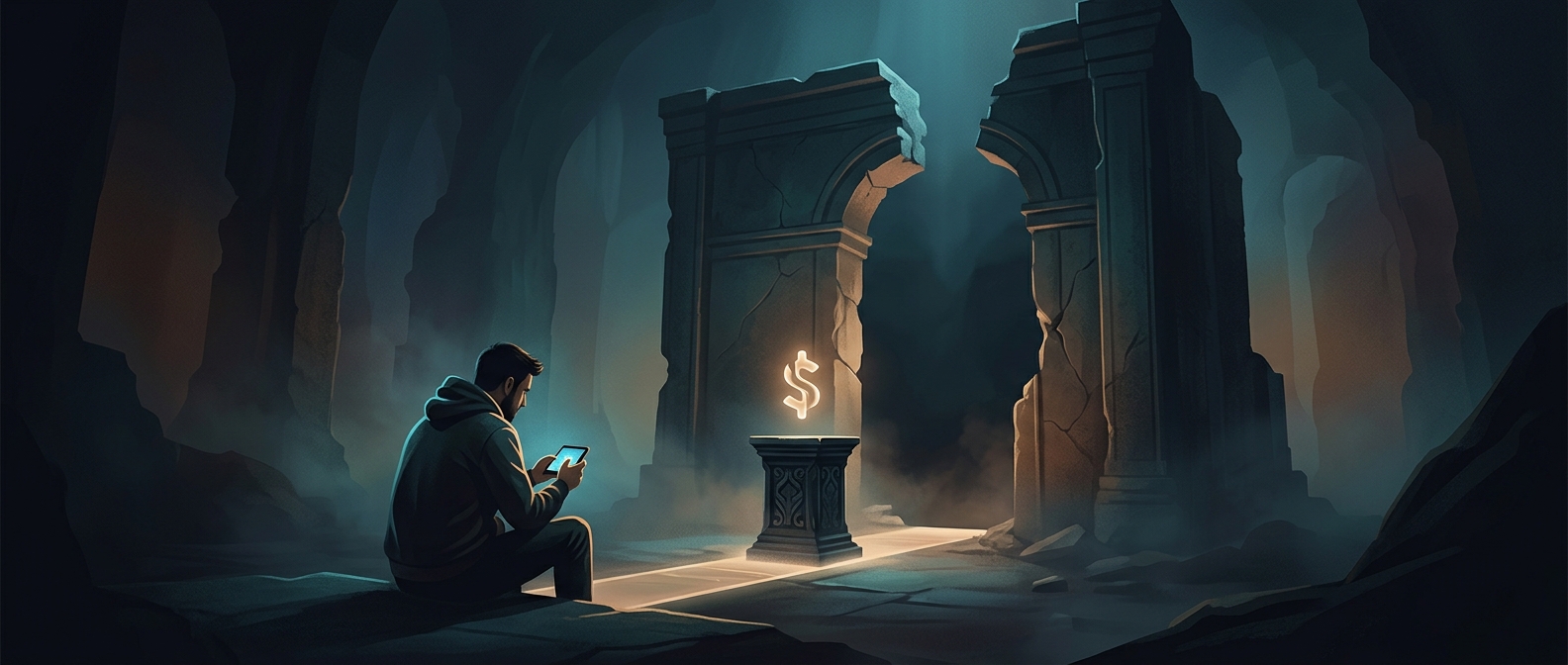
When the ending arrives as an add-on
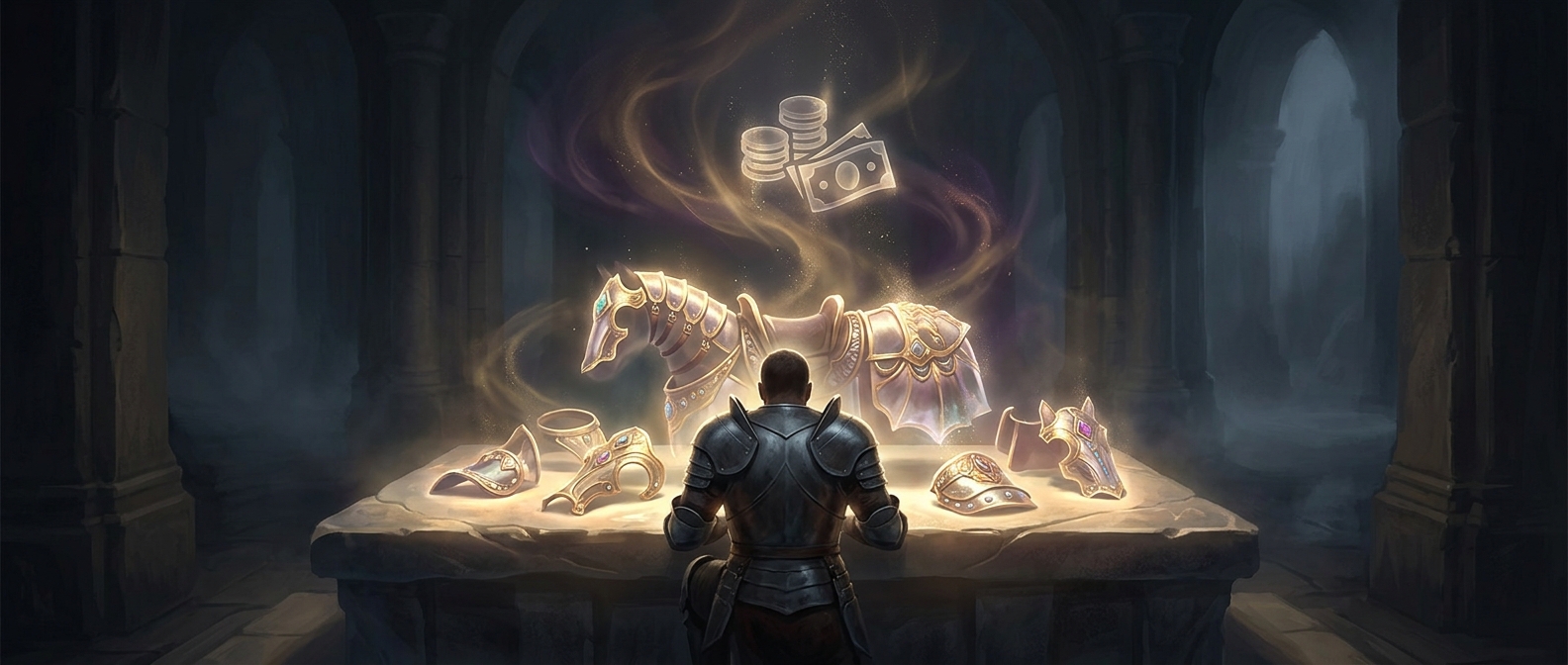
A game can reach store shelves with a complete price tag but an incomplete narrative. Months later, a paid expansion may supply the final chapter, resolve a central mystery, or show what happens to characters whose fate the main release left open. The purchase is not just extra playtime: it may be the price of narrative closure.
That structure depends on a distinction between a game’s playable content and its story content. The original release can offer a finished campaign and still reserve a major plot development for a later download. If the missing piece answers a question the main story deliberately raises, players who skip the add-on may have credits—but not the whole account of what happened.
Why split a story across releases?
A delayed chapter can keep a game in the conversation after launch and give its creators more time to build on the world. Add-ons can also extend a project without requiring players to buy an entirely separate sequel. But timing changes how the arrangement feels: an expansion that adds a new adventure may seem optional, while one that supplies the promised emotional payoff can make the original purchase feel like an installment rather than a complete work.
The practical question for a player is therefore not simply whether the extra chapter is good. It is whether the base game provides a satisfying stopping point on its own—and whether the later release adds a new story or finishes the one already begun. When the ending is behind another price, the game’s final scene may be less a conclusion than a decision about whether to keep paying.