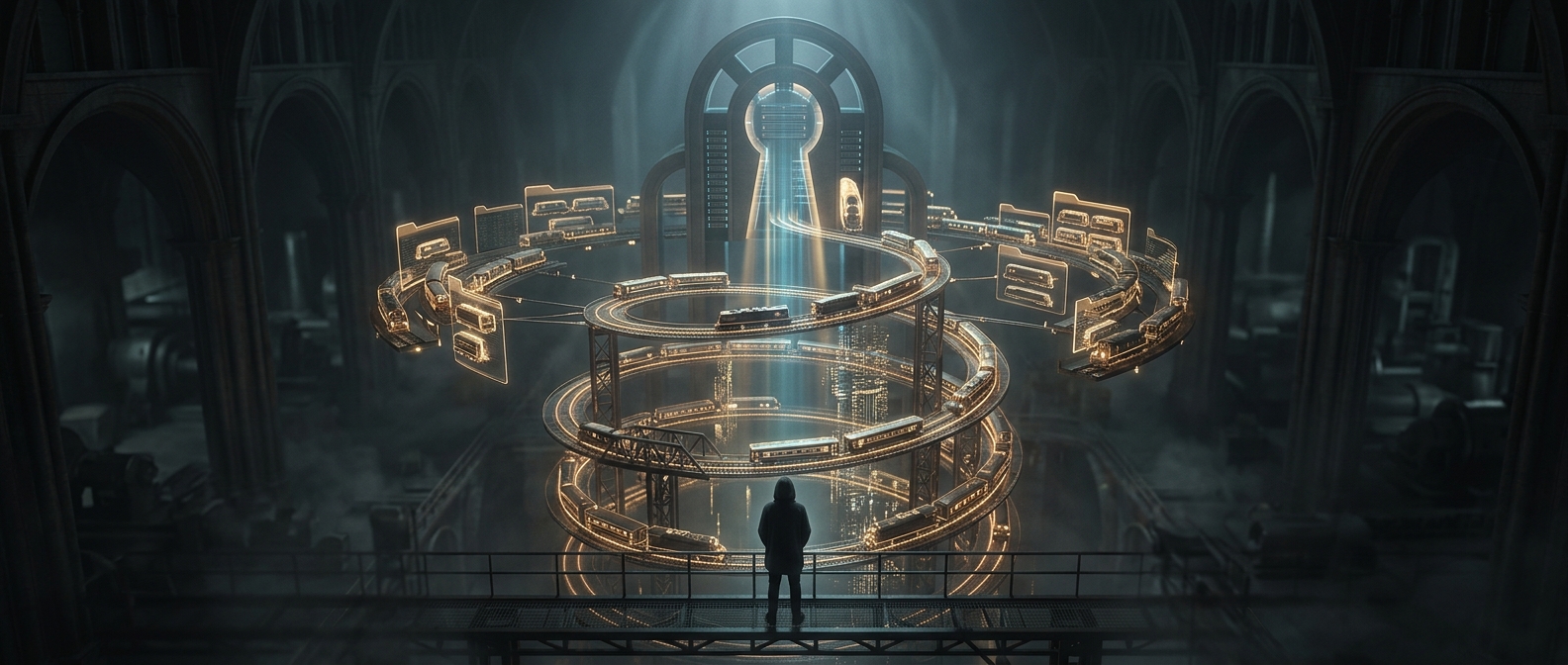
A catalog built in pieces
Train Simulator’s add-ons are not a single campaign that players must buy from beginning to end. They are separate packages: some add a railway route, while others add locomotives, passenger or freight cars, and scenarios built around particular equipment. A route supplies the track and setting; a locomotive pack supplies trains to run on it. That modular structure lets players choose the railways and eras that interest them—but it also means the full catalog is a sum of many distinct purchases.
Why the total keeps growing
Railway equipment is unusually specific. A locomotive’s appearance, controls, and performance can vary by model and period, and a route’s scenery and operating rules must fit its own setting. Recreating those differences gives a simulation more variety, but it also makes each route or vehicle pack a substantial piece of content rather than a simple color change. Add-ons can therefore appeal to different slices of the audience instead of serving as mandatory steps in one progression.
That distinction matters when interpreting the eye-catching total: it describes the cost of collecting the catalog, not the price of getting started or a required bill for playing. The practical choice is less “buy everything” than “which railway do I actually want to drive?” A player drawn to one route can focus on that corner of the collection, while the five-figure figure reflects how large the menu has become.