The purchase buys a track, not the rewards
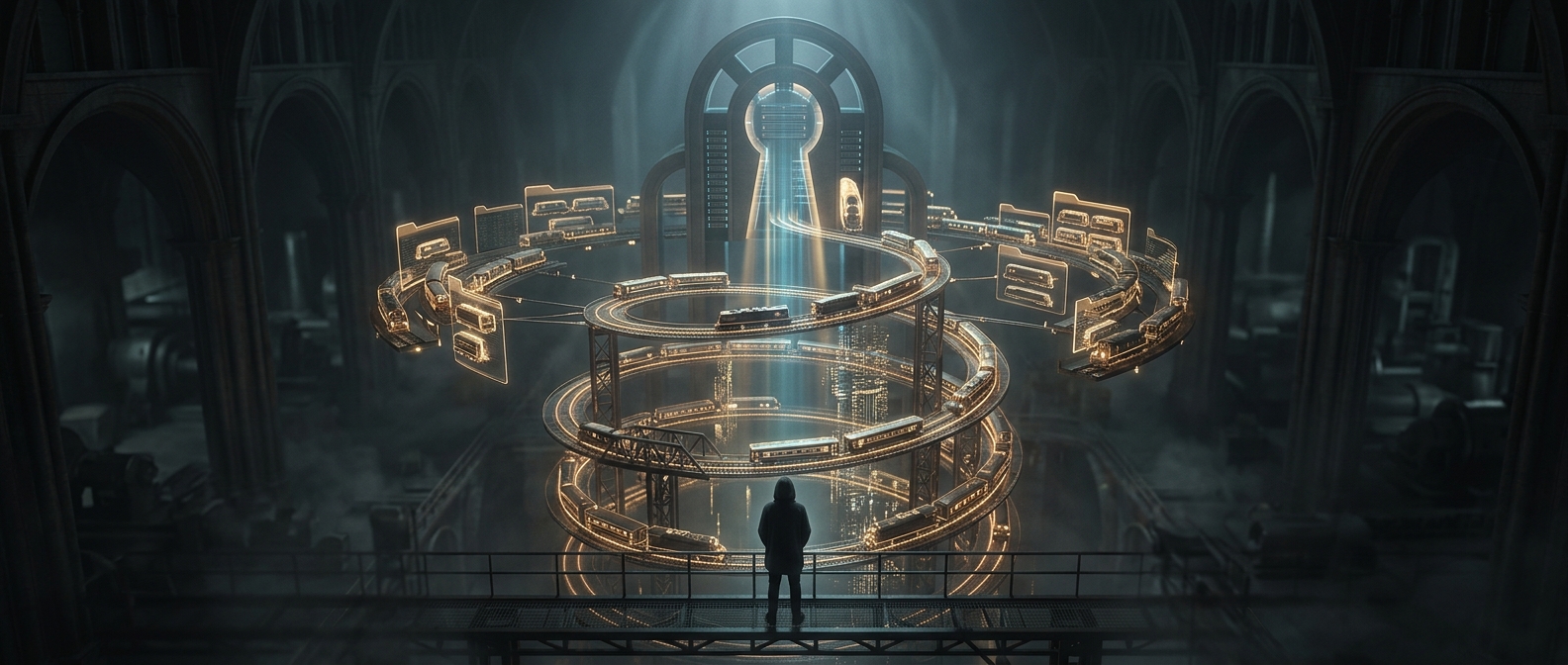
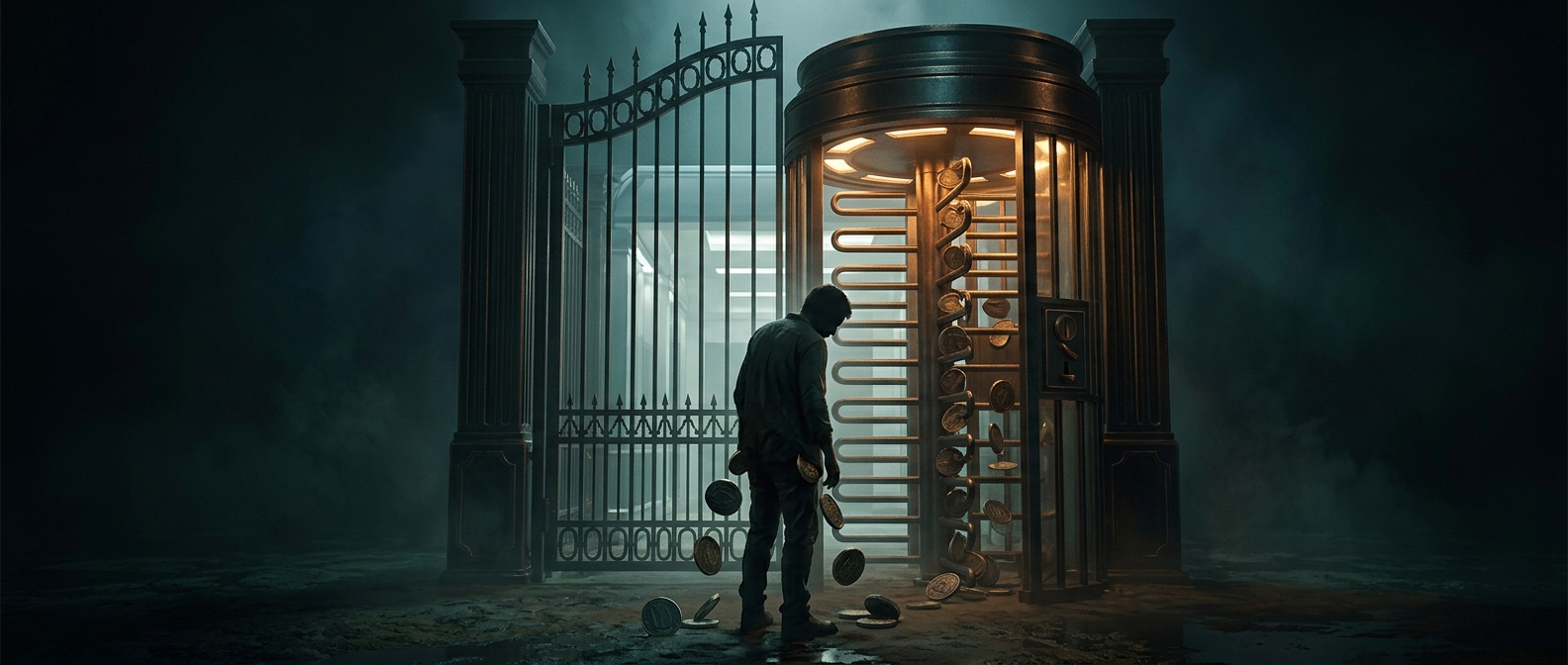
A battle pass turns a season’s challenges into a progression ladder. The paid version opens a set of rewards attached to that ladder; completing tasks earns progress, and reaching later steps unlocks later items. The important distinction is that the fee usually buys access to the reward track, not a bundle of everything on it. The player still has to make time to advance.
That structure lets a game offer a visible path from ordinary play to cosmetic or other in-game items without selling each reward separately. It also makes the value of the purchase depend on how far the player gets. Someone who stops early may leave much of the paid track untouched.
A calendar becomes part of the design
Because the track closes with the season, its tasks and pacing have to fit a limited window. Designers must make progress feel attainable for players with different amounts of time, while keeping the season active enough that players have reasons to return. If progress is too slow, the pass can feel like a fee followed by a chore; if it is too fast, the ladder may run out before the season does.
The deadline adds urgency: an unfinished reward is not simply waiting for the player indefinitely. That can encourage regular play, but it also means the purchase carries a time commitment. Before paying, the practical question is not only whether the items look appealing, but whether there is enough time left—and enough willingness to play—to reach them.