A Hat Can Be More Than a Hat
A cosmetic item changes how a character looks without necessarily making it stronger. That distinction lets a game sell personalization without making every purchase a direct upgrade in play. A player may choose an outfit because it fits a character’s imagined personality, marks a favorite style, or simply looks good in a match.
The value is social as well as visual. In a multiplayer game, other people can see the outfit, so it becomes a small piece of self-presentation—closer to choosing an avatar or a profile picture than buying equipment for an advantage. The item may also feel more meaningful when it is tied to a memorable event or a player’s history with the game.
The Tradeoff Behind the Purchase
These purchases turn a game’s ongoing audience into a source of revenue after the initial download or sale. For players, the cost is immediate and real; what they receive is a digital item whose use depends on access to that game and, often, the account holding it. It usually cannot be worn outside the game or resold like a physical hat.
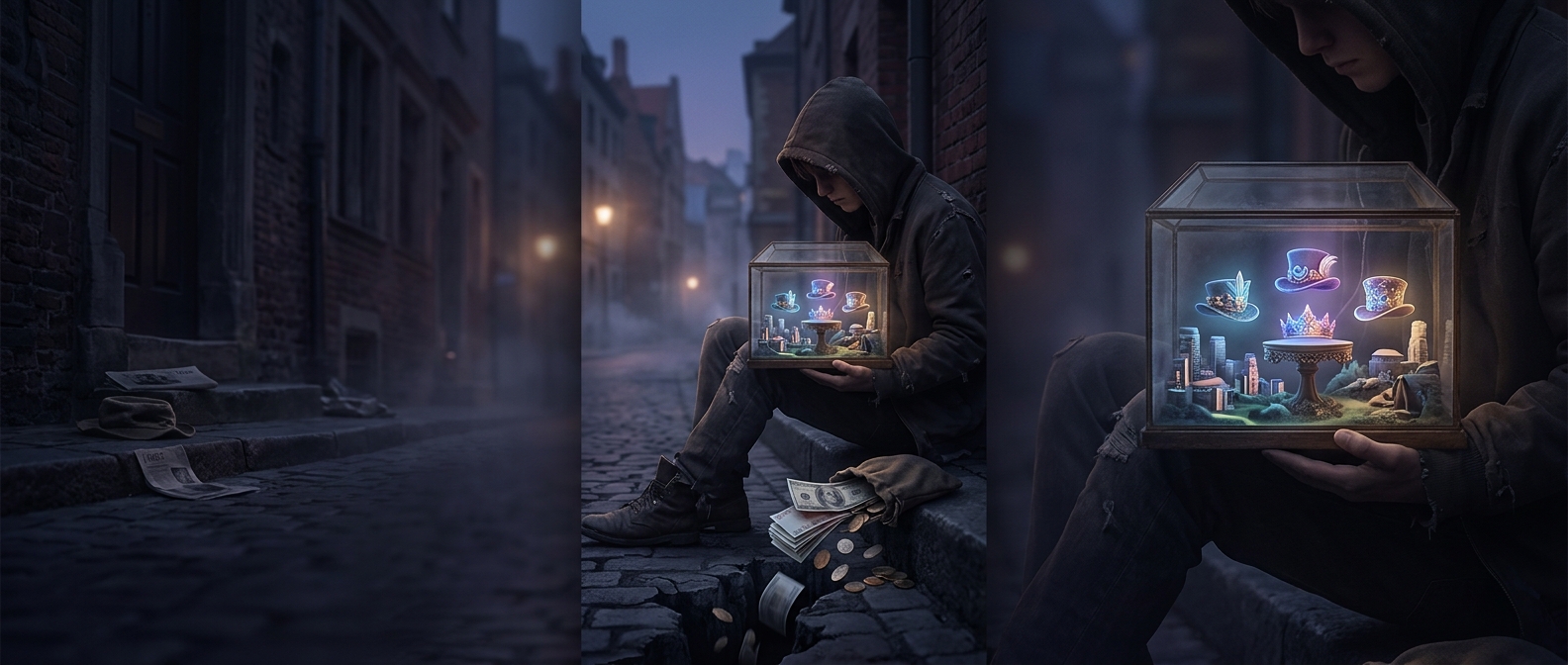
That mismatch is part of the joke in “rent money”: a virtual outfit can be emotionally appealing while offering no practical necessity. But the decision is not always simply frivolous. Players may be paying for enjoyment, identity, or a way to participate in a shared game world. The revealing question is whether that pleasure is worth the price—and whether the player has set a limit before the next appealing design appears.