Why “Free” Can Feel Like the Safer Choice
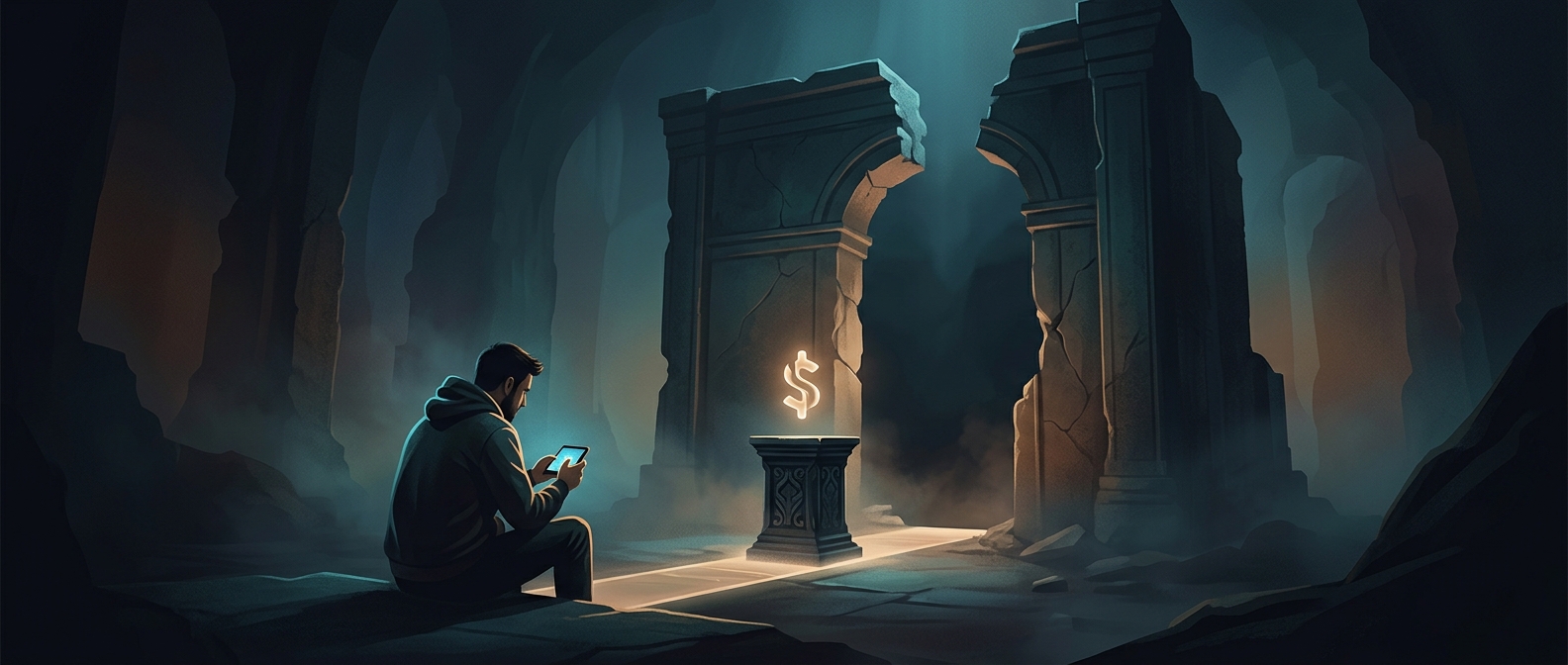
The key idea is the zero-price effect: people often treat something that costs nothing as more attractive than its value alone would predict. A free game removes the immediate risk of paying for something they might not enjoy. A $10 game, by contrast, asks for a deliberate commitment before the player knows whether the experience will be worth it.
That difference changes how spending feels. Buying the game is one visible decision, made upfront. In a free-to-play game, a small purchase may arrive later, after the player has already invested time, learned the systems, and started caring about progress or customization.
Small Purchases Bypass the Big Decision
Optional purchases can be framed as particular benefits—a new outfit, a shortcut, or extra attempts—rather than as payment for the game itself. Each purchase is judged against that immediate benefit, not necessarily against the total amount spent so far. This is a form of mental accounting: people evaluate money in separate, informal “budgets,” such as money for cosmetics or convenience.
The result can be a striking mismatch. A player may reject a single upfront price while approving several smaller charges that add up to much more. The purchases are not literally free; rather, the low initial price lowers the barrier to starting, and later spending is broken into decisions that feel easier to justify individually.
Design Makes the Difference
Free-to-play games often let players begin without paying, then offer purchases at moments when a particular item or convenience feels relevant. That structure can make spending feel like an optional response to the player’s own goals, instead of an entry fee imposed before play begins.
The pattern is not proof that players always spend more on free games, or that every purchase is irrational. It shows how when and how a price is presented can matter as much as its total. A single $10 decision is easy to notice; ten smaller decisions may be much harder to add up.