A scoring session follows the players, not the plot
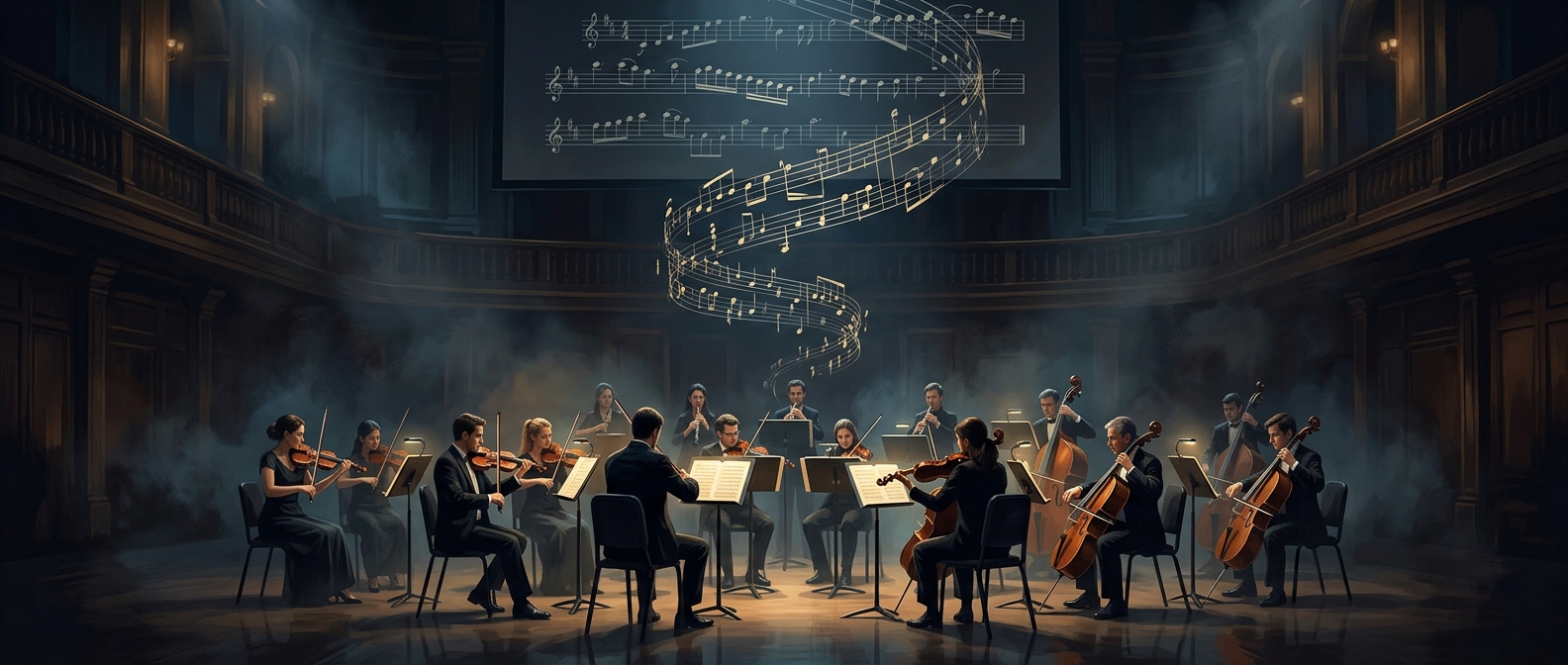
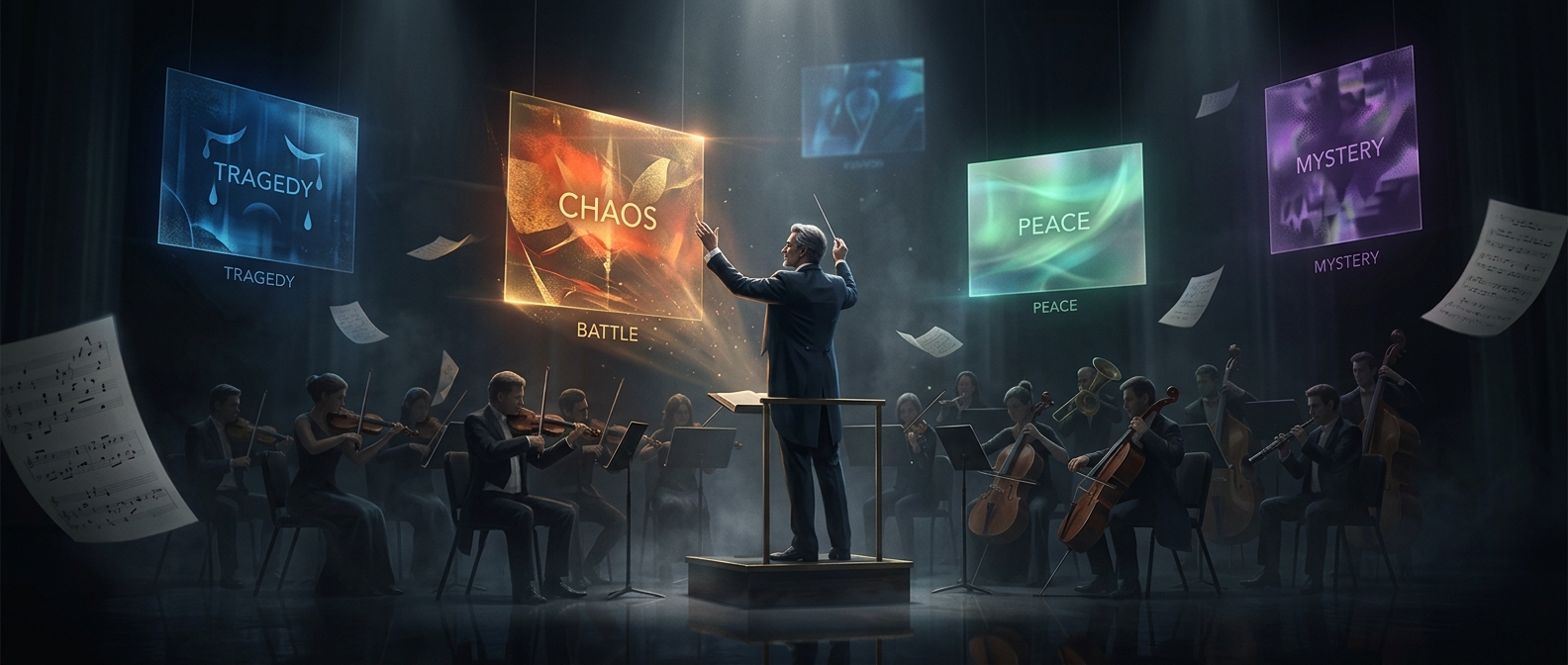
A film’s music may unfold from quiet opening to triumphant ending, but a recording session is a practical event: musicians, studio time, and specialized instruments all have to be booked and coordinated. The score is divided into cues—individual pieces written for particular moments—and each cue can call for a different mix of instruments.
If two cues need the same large brass section, recording them together can make better use of the time those musicians are hired. The crew can move from one piece to the next without bringing the brass players back for a separate session. A lively menu cue and a finale may be far apart in the story yet convenient neighbors in the studio.
The story order is restored afterward
The conductor and musicians record each cue as a separate musical passage. The session can capture several takes, and the recording team selects and edits the material later. Those finished recordings are then matched to the scenes they were written for, using the score and timing information to place the music against the picture.
So the orchestra does not need to perform a film from its first scene to its last. The schedule is organized around what is efficient to record; the finished soundtrack is organized around what the audience sees.