How a game score can be recorded before the players have rehearsed it
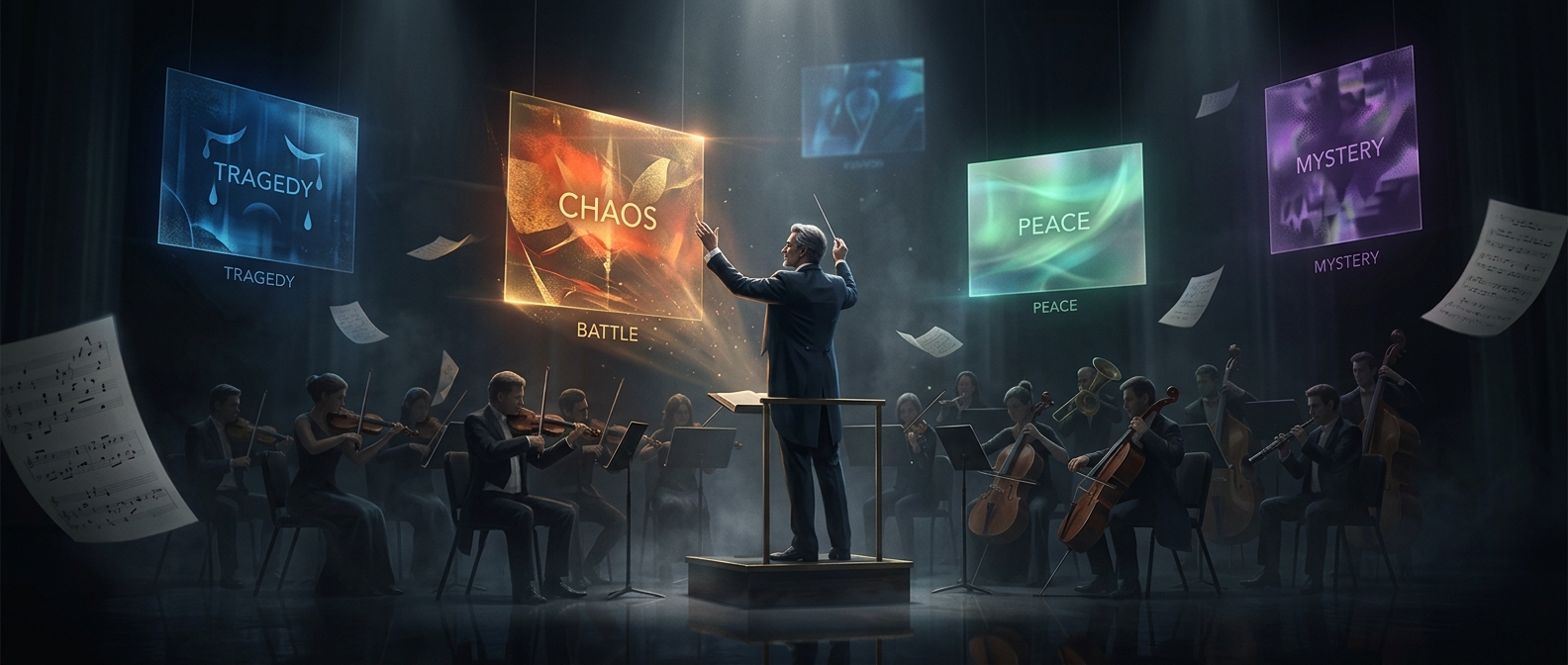
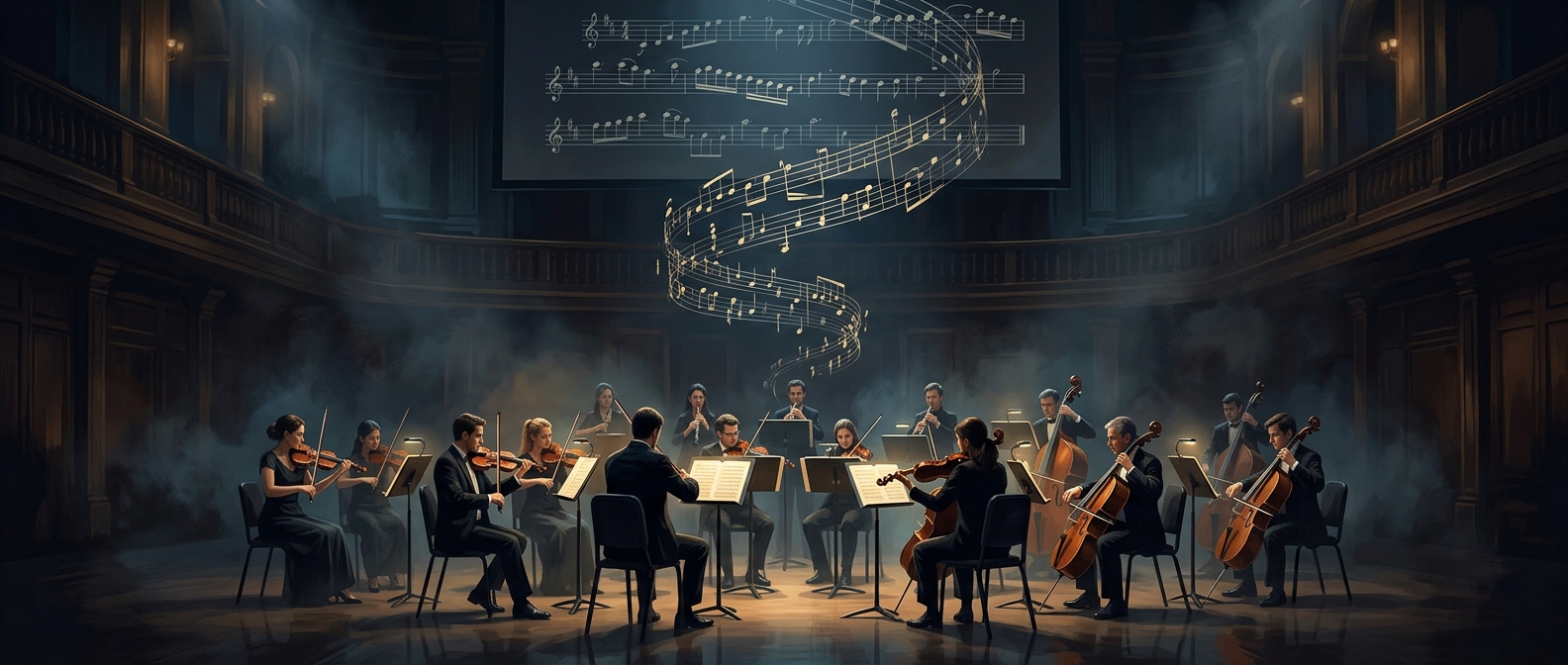
A musician who can read notation does not need to memorize a score before playing it. In a recording session, each player follows a written part while watching the conductor, who keeps the ensemble together and indicates changes in tempo, timing, and expression. Skilled orchestral players can often turn unfamiliar notes into a coordinated performance on the first run-through—a demanding form of sight-reading.
That ability can matter when a game’s music must be recorded within a limited session. The orchestra may have little time for repeated rehearsals, so the first pass can serve as both the initial performance and a test of how the music works in the room. The conductor and recording team can spot passages that need another take, rather than spending time polishing every bar beforehand.
Why the first take is not always the finished take
“On the first try” does not necessarily mean one flawless performance with no corrections. A recording team can stop, replay a section, or record a passage again. The useful distinction is that players may encounter the score for the first time as recording begins, rather than learning it through a long rehearsal period.
Game music can also be made in pieces: a session may record separate passages or musical layers that are assembled or triggered in the game. That puts a premium on precise timing and clean, repeatable performances. The tradeoff is clear: limited rehearsal saves session time, but it asks musicians to do more interpreting and coordinating as they play. The orchestra’s first read can therefore be a real performance—not merely a practice run.