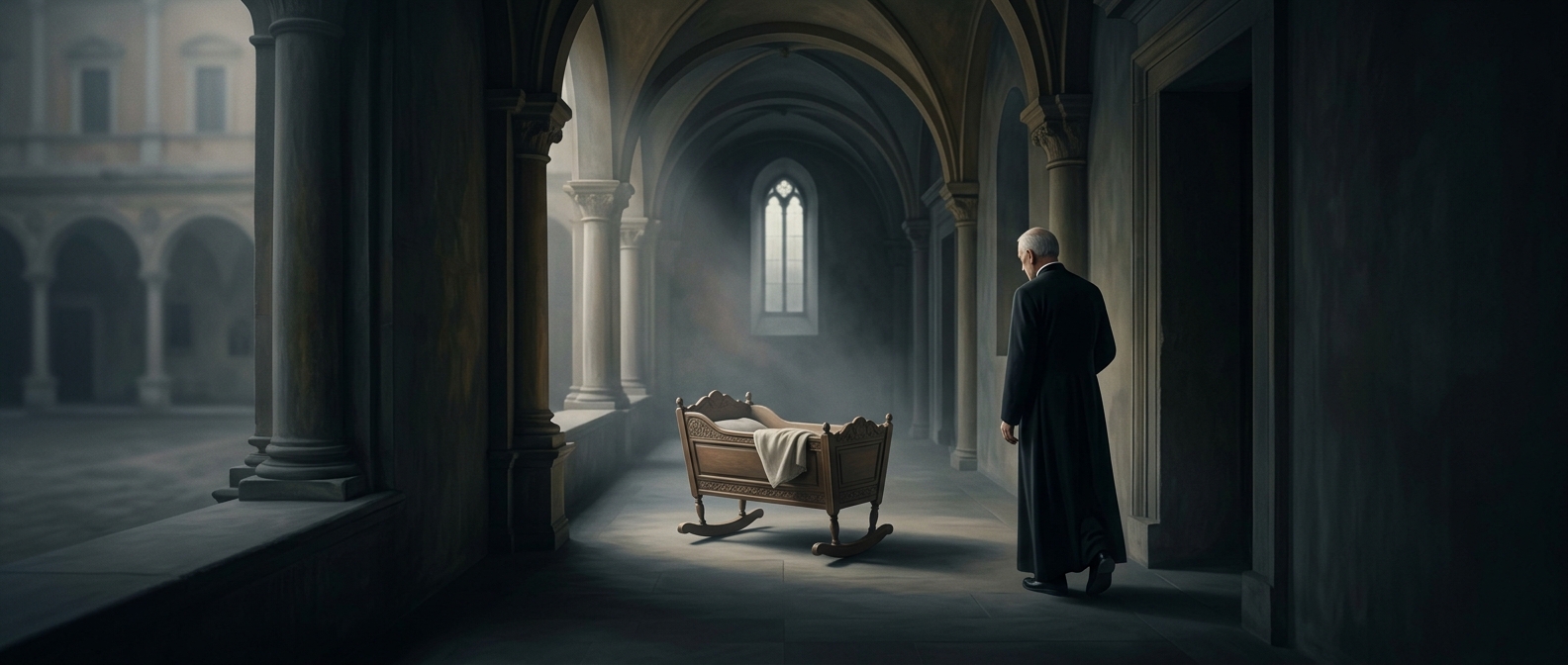
Why Vatican City’s wine statistic looks so dramatic
The eye-catching ranking comes from a simple calculation: estimate how much wine is consumed in a country, then divide by its population. Vatican City has an exceptionally small resident population, so even a modest amount of wine used in shared settings can produce a striking per-person average. The figure describes a ratio—not the habits of a typical resident.
A tiny state is an unusual place to count
Vatican City is not an ordinary national market. Its residents include clergy and other people who live or work there, while its institutions serve a religious community and welcome visitors. Wine may be used at communal meals and in Catholic worship, where a small amount is consumed during the Eucharist, also called Communion. Those uses contribute to the total, but the statistic does not tell us how much each person drinks or how the total breaks down.
That distinction matters because national consumption estimates are not a head count of glasses. They rely on broader consumption data divided by population, and a very small denominator makes the result especially sensitive to who is included and how the total is measured. Visitors, institutional use, and the city-state’s unusual population can all make comparisons with large countries less straightforward.
A ranking, not a drinking diary
So the surprising point is less that Vatican residents are individually heavy drinkers than that per-capita rankings can turn a tiny, distinctive community into an extreme-looking statistic. The number makes a memorable contrast with wine-famous countries such as France and Italy, but it cannot tell you what a Tuesday evening—or a day of worship—in Vatican City actually looks like.