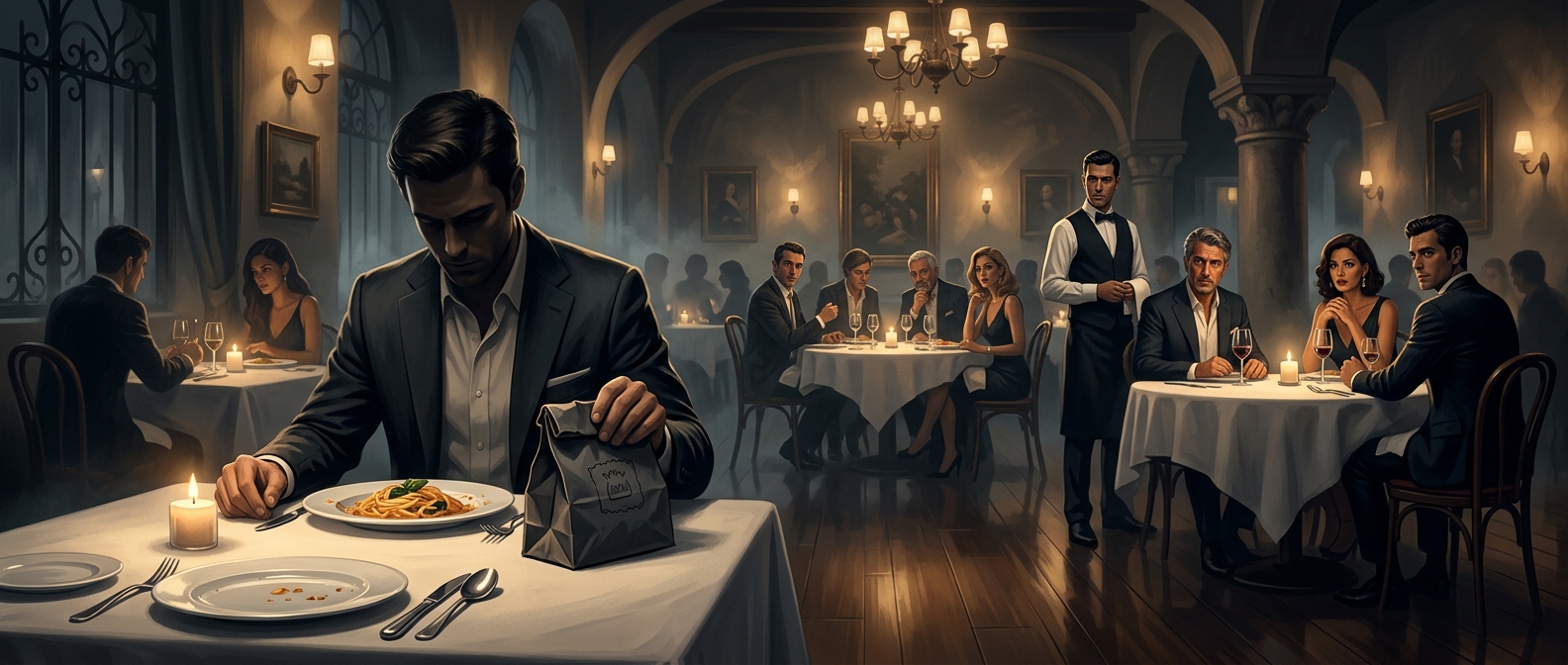
Why leftovers can feel out of place at an Italian table
In some Italian dining settings, a meal is understood as something to enjoy in the moment: cooked for the table, eaten at its intended temperature, and woven into a long, social occasion. Asking to take food away can therefore feel less like a practical habit and more like a mismatch with the meal’s purpose. The unease is social, not a rule that leftovers are forbidden.
The request can carry an unintended message
A dish left unfinished may be read as a sign that the portion was too large, the food did not appeal, or the order was poorly judged. Taking it home can draw attention to that gap between what was ordered and what was eaten. In a culture where meals may include several courses, pacing matters too: diners often choose modestly at each stage rather than treating the table as a source of spare portions.
That does not mean every restaurant or diner shares the same expectation. Habits differ by place, generation, and circumstance, and practical concerns—such as avoiding waste—can outweigh etiquette. If you want to bring food home, a simple, matter-of-fact request is usually less awkward than assuming the restaurant will offer a container.
The small cultural difference is this: the question is not only whether the food can be saved, but whether taking it away fits the kind of meal everyone thought they were having.