The Room Is Built for the Shot
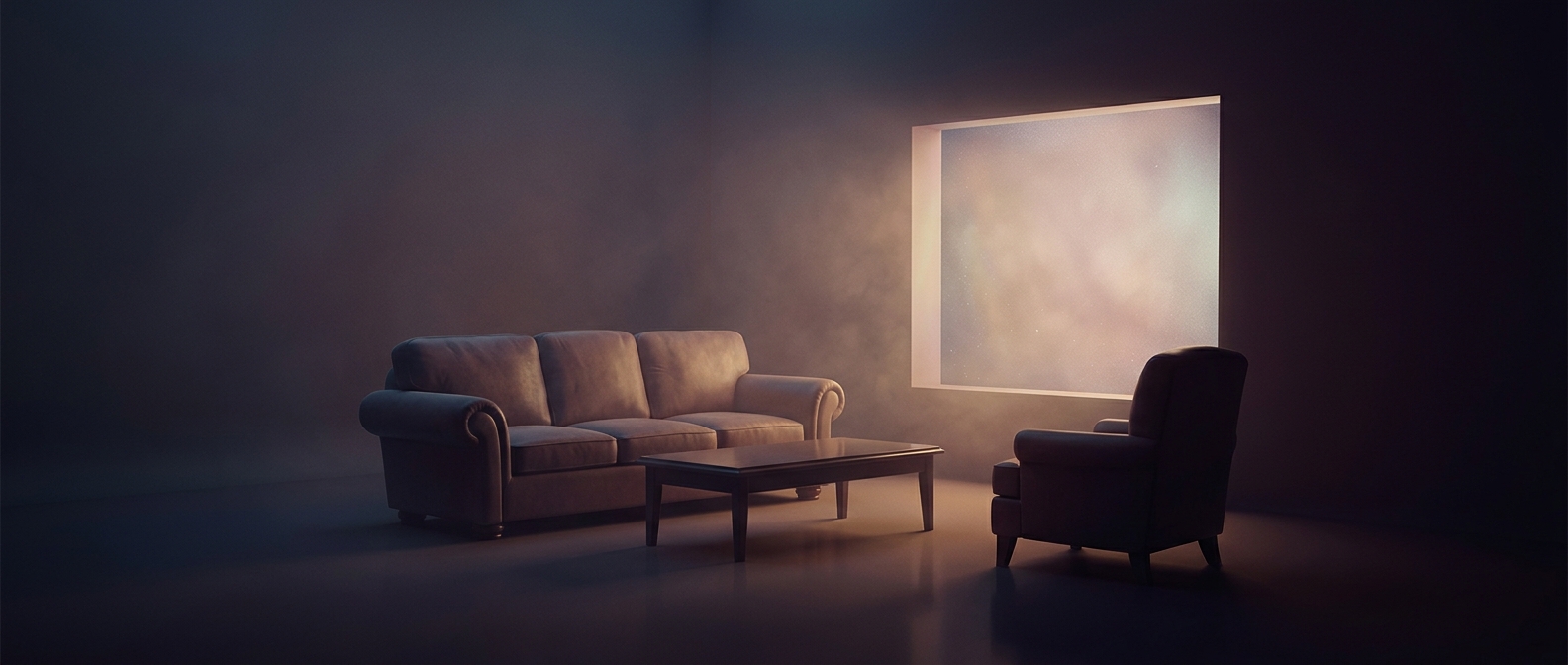
In a traditional multi-camera sitcom, several cameras film the same scene from different angles, often in front of a live audience. A fully enclosed room would block some cameras’ views, so the set is usually built with one side open. The furniture is arranged to keep faces and interactions visible from that side, even when the result looks odd from the characters’ point of view.
Staging Replaces a Real Wall
Directors and actors use blocking—the planned movement and positioning of performers—to make the open set read like a believable room. A sofa can define the living room’s center; a doorway or kitchen counter can suggest where the rest of the home continues. Actors turn toward one another, but they may also angle their bodies so a camera can catch their expressions.
The layout has to work for more than one view. Cameras need clear sightlines, while lights must illuminate the actors without appearing in the shot. Consistent furniture placement and movement also help viewers understand where characters are in relation to one another, even though the unseen side of the room does not exist as a complete wall.
The Tradeoff Is Part of the Style
This arrangement gives the production room to film, light, and sometimes accommodate an audience—but it makes the set less like a private home. The audience sees a carefully composed slice of domestic life, with the “room” ending just beyond the frame. That open edge is what lets a small, artificial space play as a bustling family home on screen.