How a skin germ can reach the abdomen
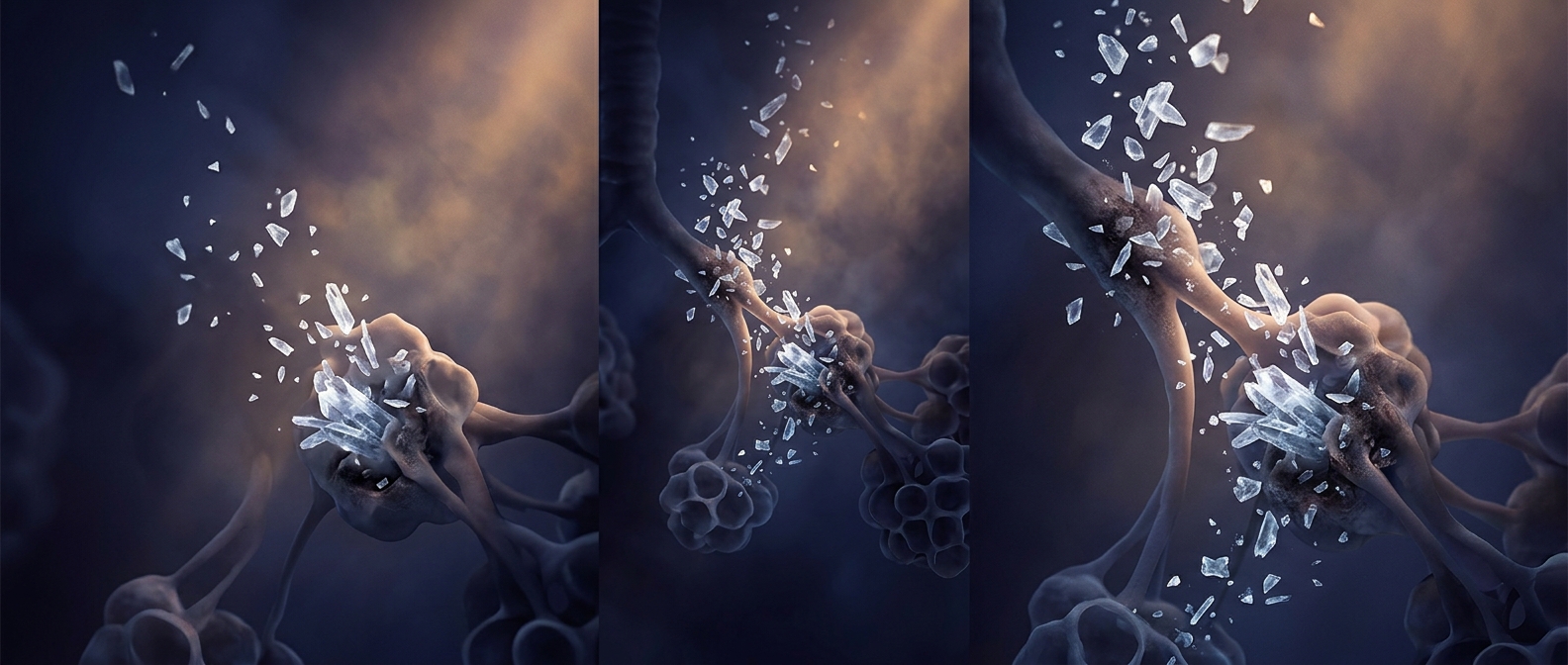
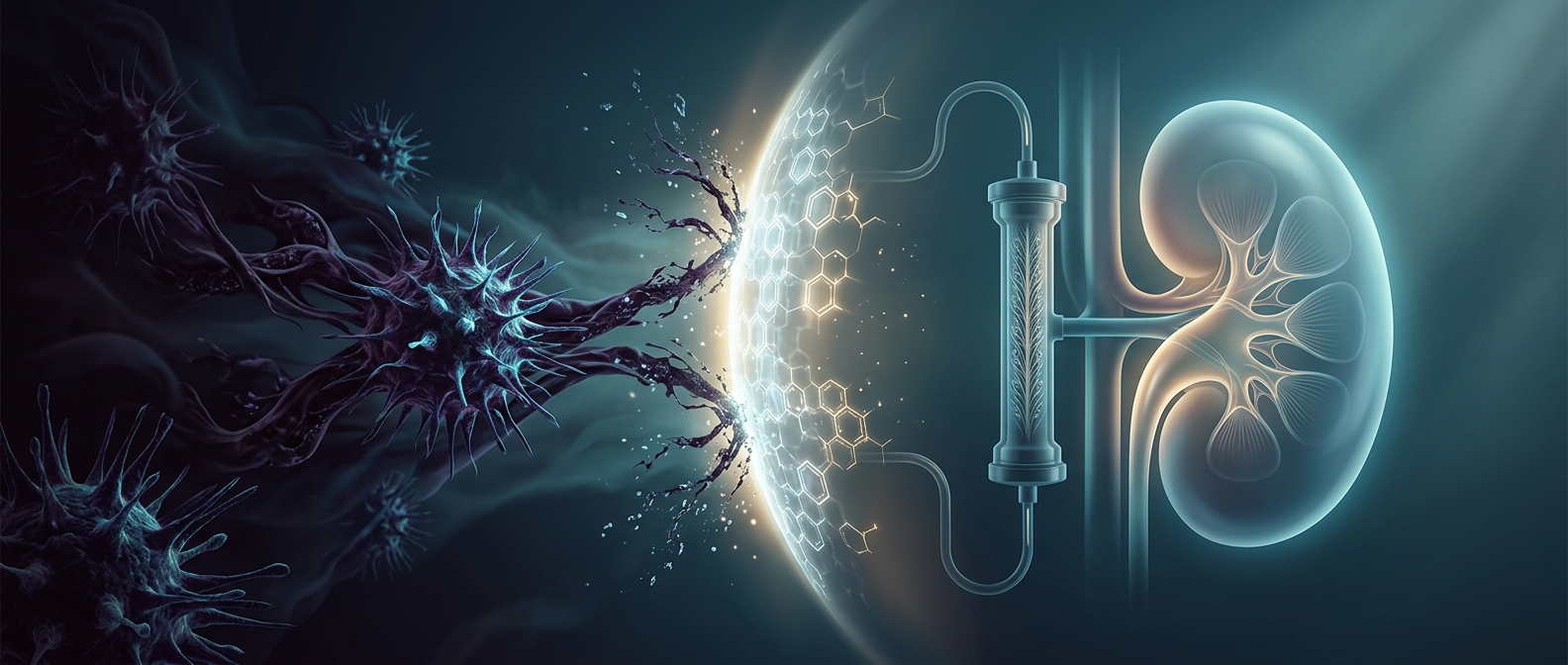
In peritoneal dialysis, a soft catheter passes through the abdominal wall into the space around the organs. Dialysis fluid flows through it, picks up waste and extra water, and is then drained. The point where the tube emerges through the skin is a vulnerable link: bacteria living on the skin can enter the opening, infect the tissue around the catheter, and sometimes travel inward to inflame the abdominal lining. That deeper infection, called peritonitis, can interrupt dialysis and require urgent treatment.
Mupirocin interrupts the route
Mupirocin is applied to the skin around the catheter’s exit site. It targets bacteria such as Staphylococcus aureus, which can live on the skin or in the nose and cause infections if they reach vulnerable tissue. The drug blocks a bacterial enzyme needed to make proteins, disrupting the germ’s ability to grow. Used at the surface, it helps reduce the bacterial burden at the place where inward spread could begin.
The strategy is preventive, not a substitute for clean catheter care or evaluation of a sore, spreading redness, drainage, or fever. Mupirocin does not protect against every possible cause of infection, and repeated or inappropriate antibiotic use can encourage resistant bacteria. Its value lies in guarding a small, specific entry point—one where a few centimeters of skin separate the outside world from the route dialysis fluid takes into the body.