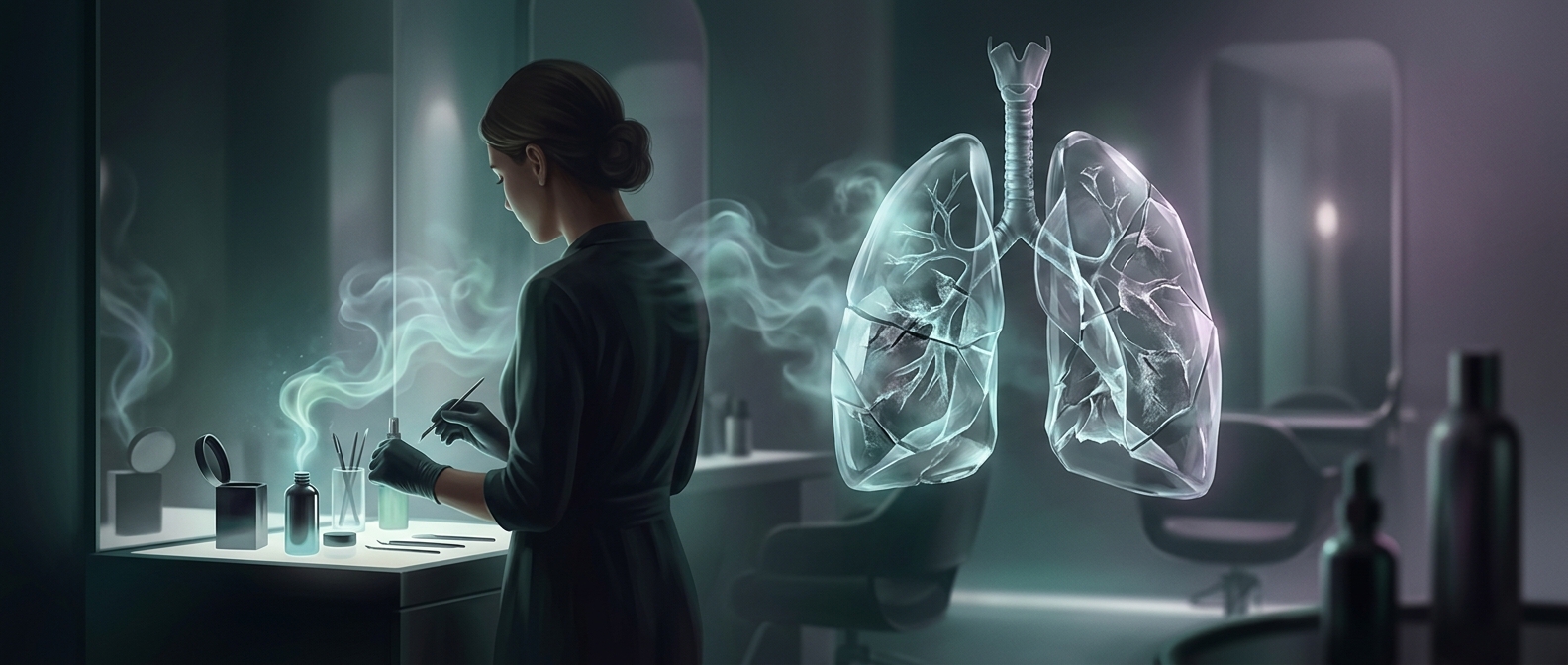
Why quartz cutting creates a lasting lung hazard
Artificial quartz countertops are made from crushed stone bound with resins and other ingredients. The stone can contain a high proportion of crystalline silica, a mineral that becomes hazardous when cutting or grinding turns it into airborne dust small enough to reach deep into the lungs.
A worker may not see the finest particles. Dry cutting, polishing, or shaping can release them into the breathing zone, where ordinary room ventilation may not remove them quickly. Wet methods help by trapping dust in water at the point of cutting; effective extraction and a properly fitted respirator can further reduce exposure.
How dust becomes scar tissue
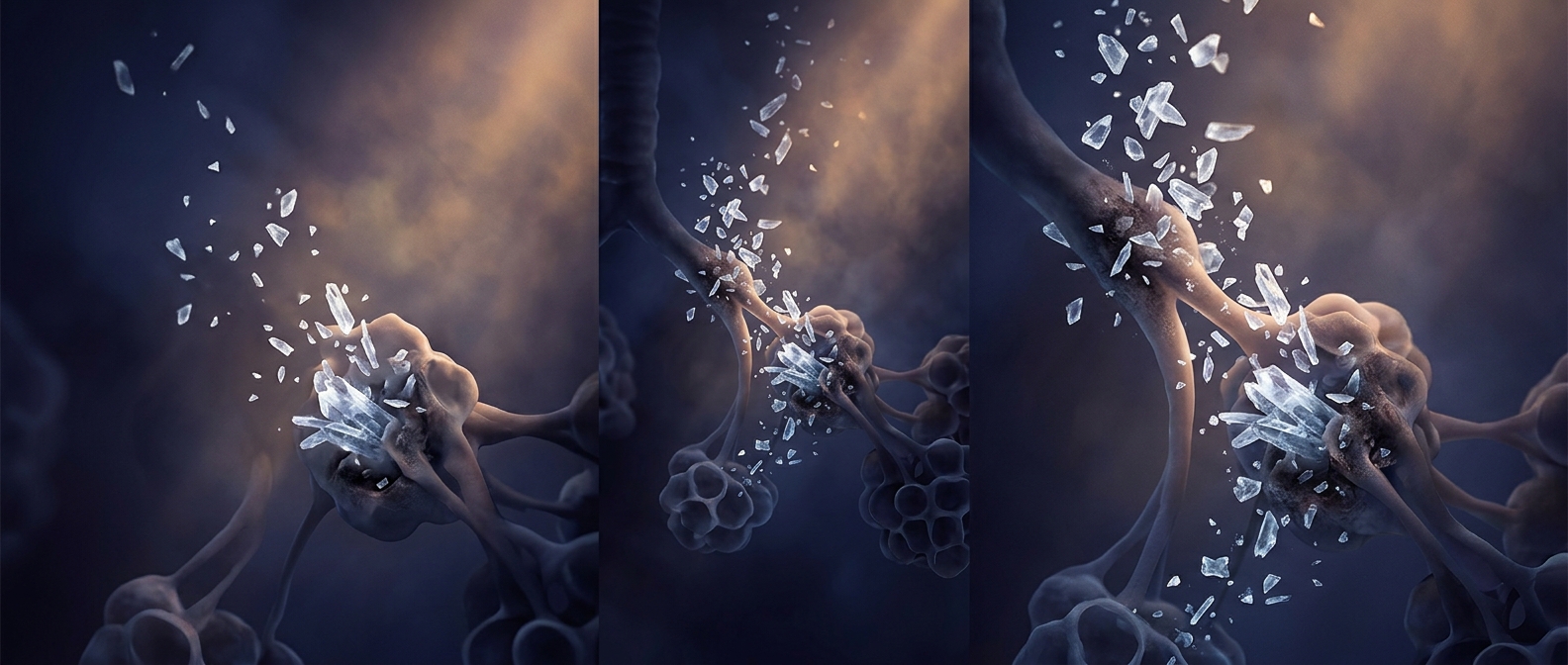
The lungs’ smallest air sacs are designed to exchange oxygen, not clear out mineral particles. When silica dust reaches deep tissue, immune cells try to engulf it. The particles can injure those cells and keep the body’s repair response active. Over time, that response lays down scar tissue—a process called silicosis.
Scarring stiffens and damages lung tissue, so oxygen moves less easily into the blood. The disease can develop after intense exposure over a relatively short period or after repeated exposure over years. Once established, the scar tissue cannot simply be removed, and breathing problems may continue to worsen even after exposure stops.
The risk is created during fabrication
A finished countertop does not release the same cloud of cutting dust just by sitting in a kitchen. The highest risk arises while slabs are being cut, drilled, shaped, or polished, especially when dust controls are inadequate. That makes fabrication shops—not household use of an installed surface—the critical place to prevent exposure.
Keeping the dust out of workers’ lungs matters because there is no treatment that restores lung tissue already replaced by scarring. A wet saw can turn an invisible cloud into slurry at the blade, preventing the hazard before it reaches someone’s next breath.