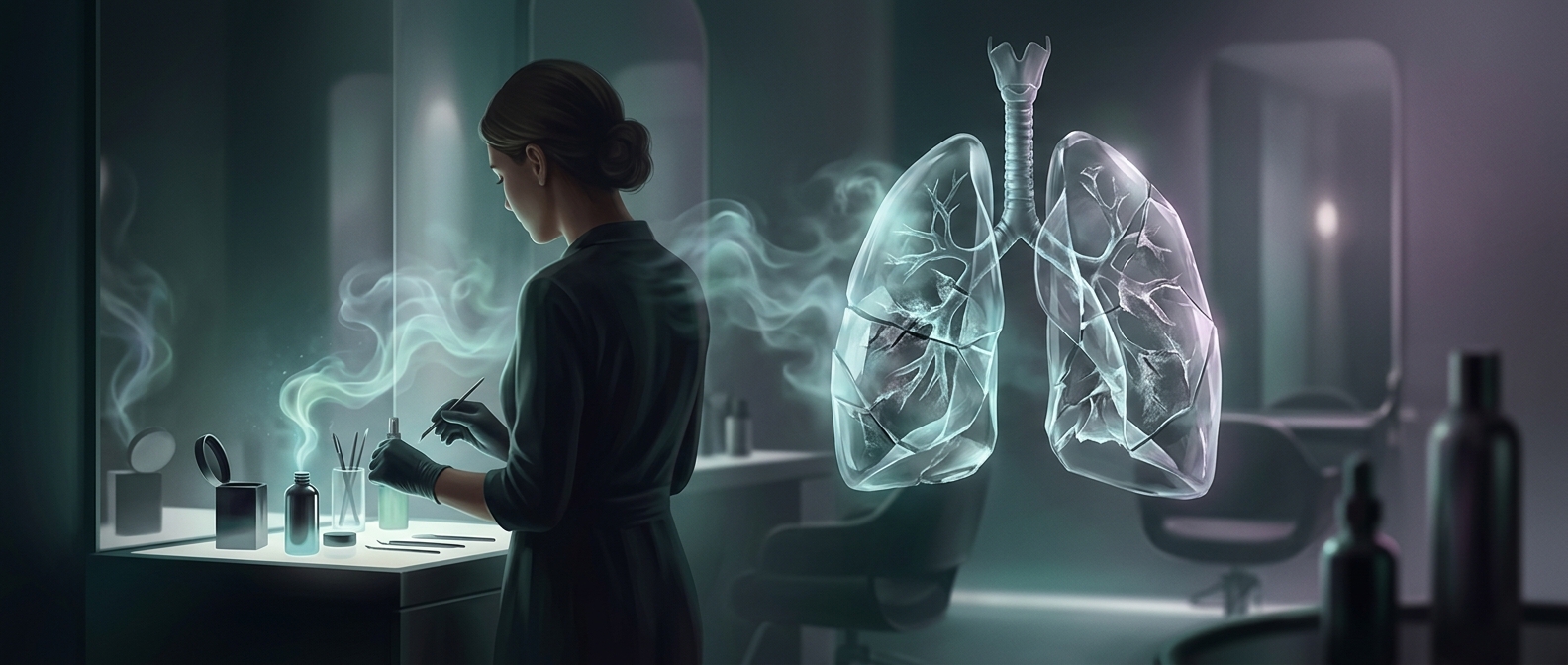
Why mucus can linger in damaged airways
Bronchiectasis is a condition in which some airways are permanently widened and damaged. Their usual self-cleaning system works less effectively: tiny hairlike structures called cilia normally sweep mucus toward the throat, but damaged airways may not move it along well. Mucus can pool, making it harder to clear with an ordinary cough and potentially leaving space for infection to take hold.
Turning an exhale into airway pulses
An Acapella is a handheld airway-clearance device. As the user breathes out through it, air meets resistance, while a moving internal part creates repeated vibrations. The person feels these as pulses during the exhale. Those pressure changes travel through the airways and help loosen mucus from their walls, including mucus deeper in the lungs.
The device does not suck mucus out. It helps shift it into larger airways, where a deliberate cough can carry it toward the mouth. Users are often taught a sequence of breathing and coughing rather than simply blowing forcefully; the goal is to mobilize mucus without exhausting the person.
Making room for the next breath
Clearing mucus can make airflow easier through airways that were partly obstructed. It also helps remove material that might otherwise remain trapped. The Acapella is one tool in airway-clearance care, and a clinician can help tailor its use to a person’s condition and technique. Its practical effect is a two-step process: vibration loosens what is stuck; coughing finishes the job.