A heart could signify devotion before romance
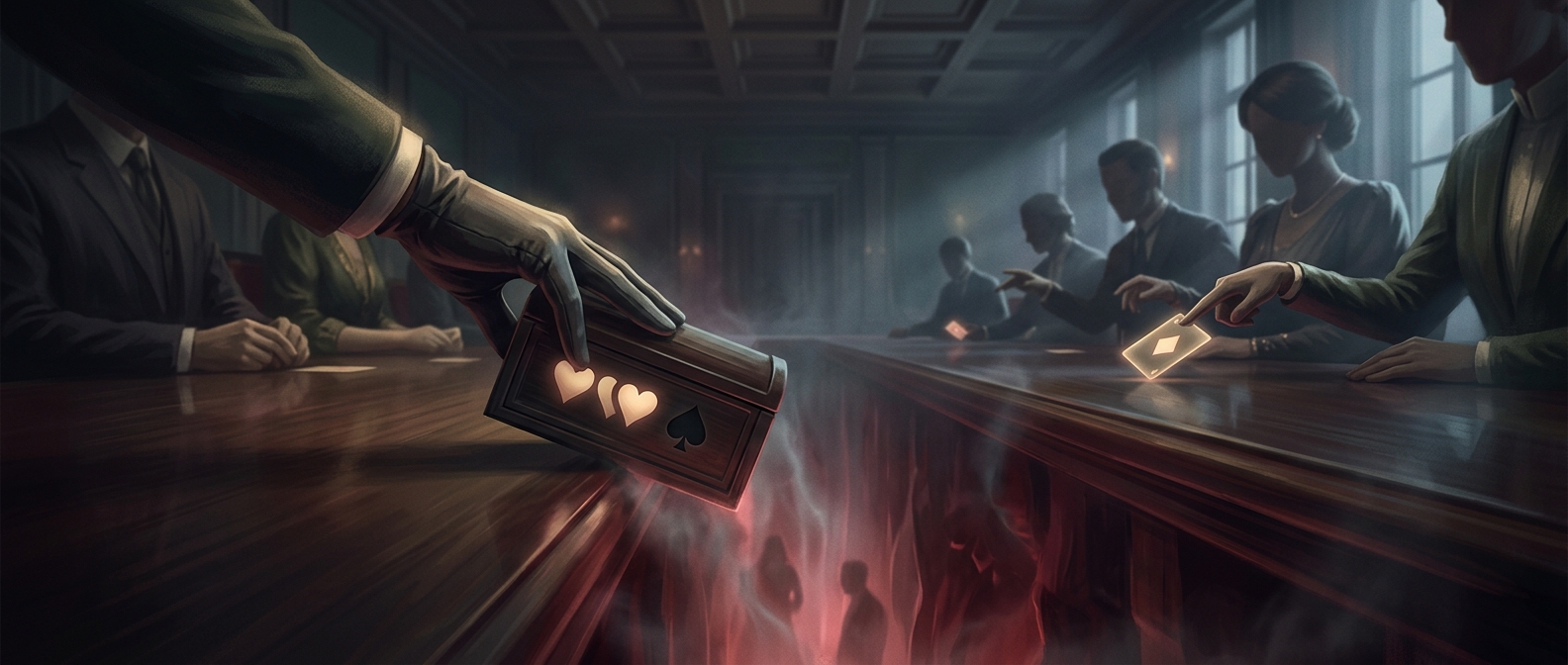
The heart symbol’s familiar romantic meaning is not its only historical reading. In a traditional interpretation of European playing-card suits, hearts stood for religious devotion: the heart was the seat of faith and inward feeling, not merely a sign of attraction. That reading belongs to the symbolic world in which cards circulated, where ordinary objects and emblems could carry moral or religious associations.
The exact meanings of suit symbols were not fixed across every deck or period, so the devotional interpretation is best understood as a traditional explanation rather than a universal rule printed on the cards. Still, it offers a useful contrast: the same simple shape could suggest a spiritual commitment to one player and, much later, romantic love to another.
The symbol outlasted its original reading
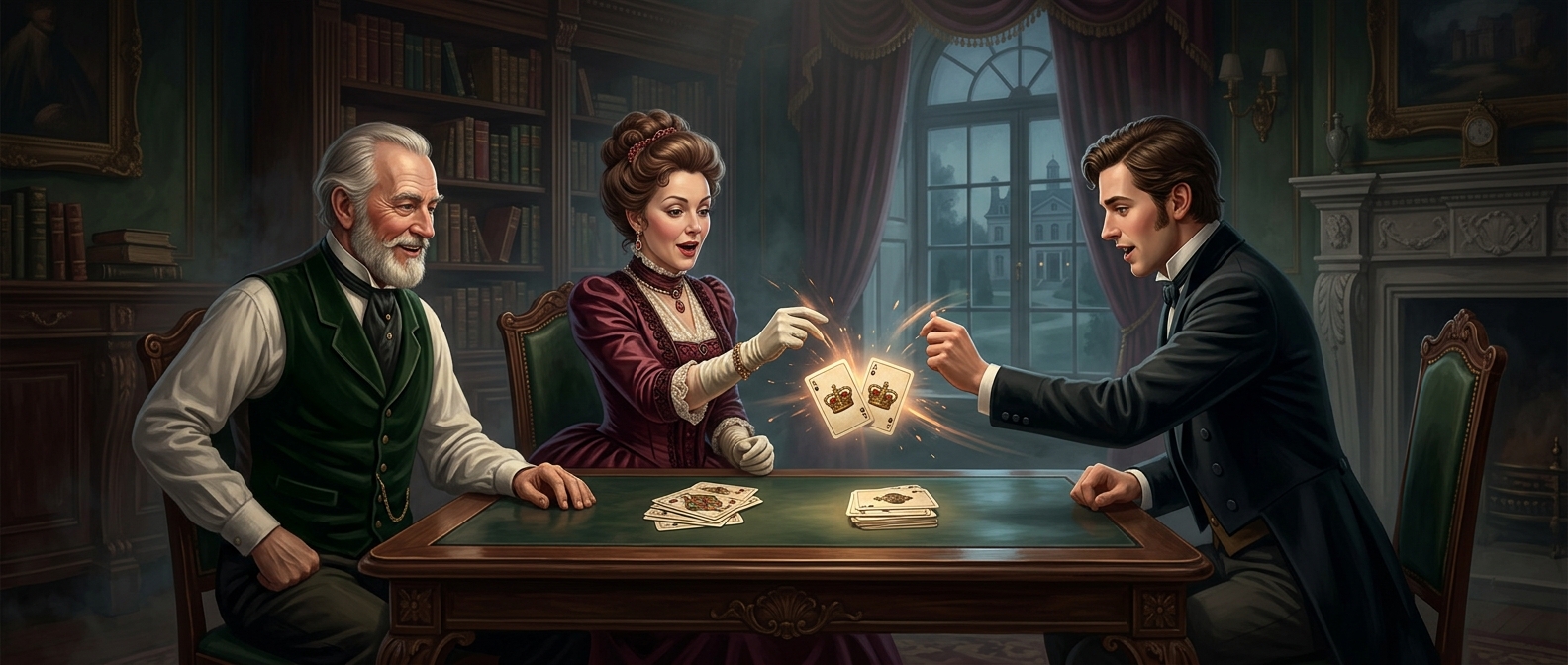
As card suits became familiar features of play, their practical role mattered more than any symbolic lesson. A heart told players which suit a card belonged to; its meaning could shift with changing customs and popular associations. In gambling, the stakes came from the money or consequences attached to the game, not from the suit’s older religious symbolism.
That contrast makes the heart suit a small example of how symbols travel: a mark once read through devotion could become shorthand for romance, while the cards themselves continued to serve games whose stakes depended on the people playing.