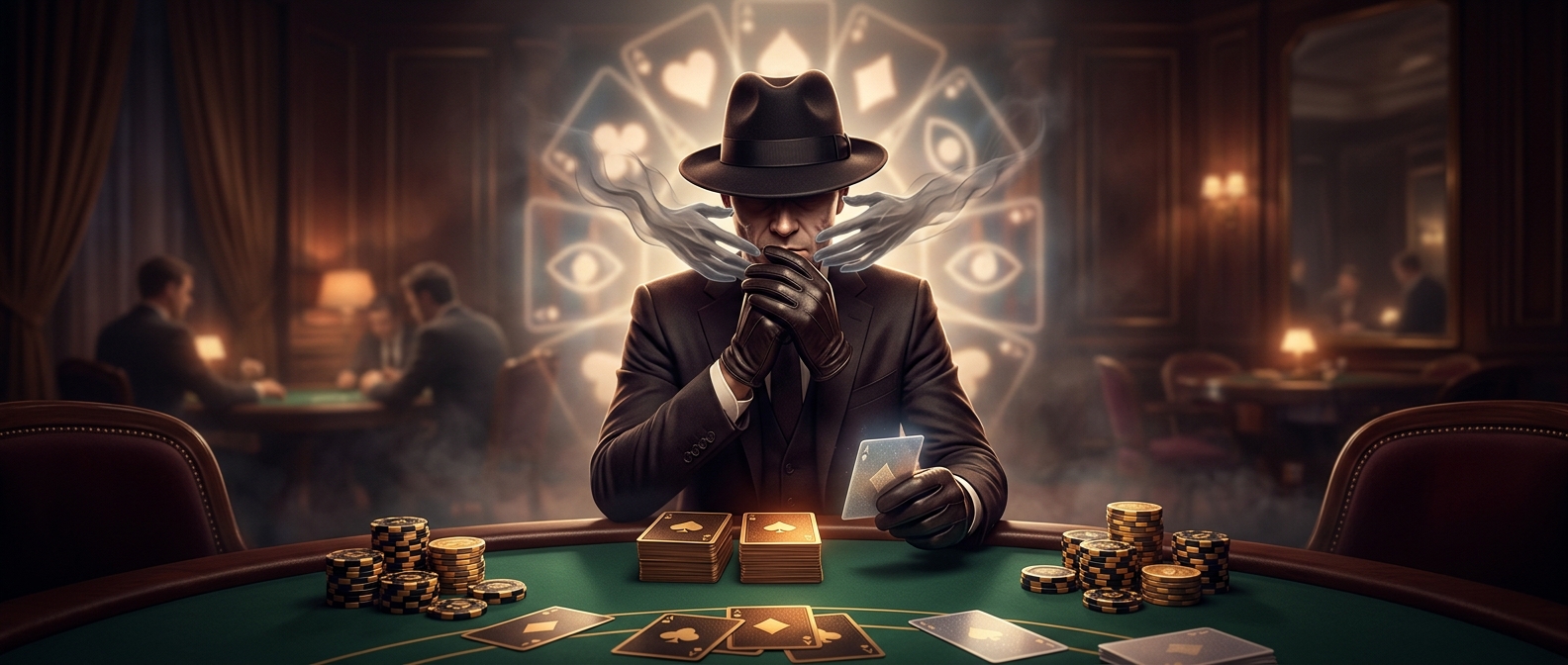
Why a Face Can Betray a Bluff
In a money game, a player’s expression is part of the information opponents are trying to read. A strong hand may bring relief or excitement; a bluff can create tension because the player is betting as though holding cards they do not have. Those feelings may show briefly in a tightened mouth, widened eyes, or a flicker of attention toward the pot. Such small, involuntary reactions are often called tells.
A tell is not a dependable code—one twitch does not prove what a player holds. Its meaning depends on the person and the moment. A useful clue is a change from that player’s usual behavior, especially when it appears alongside other changes, such as a shift in betting or posture.
The Work of Looking Unreadable
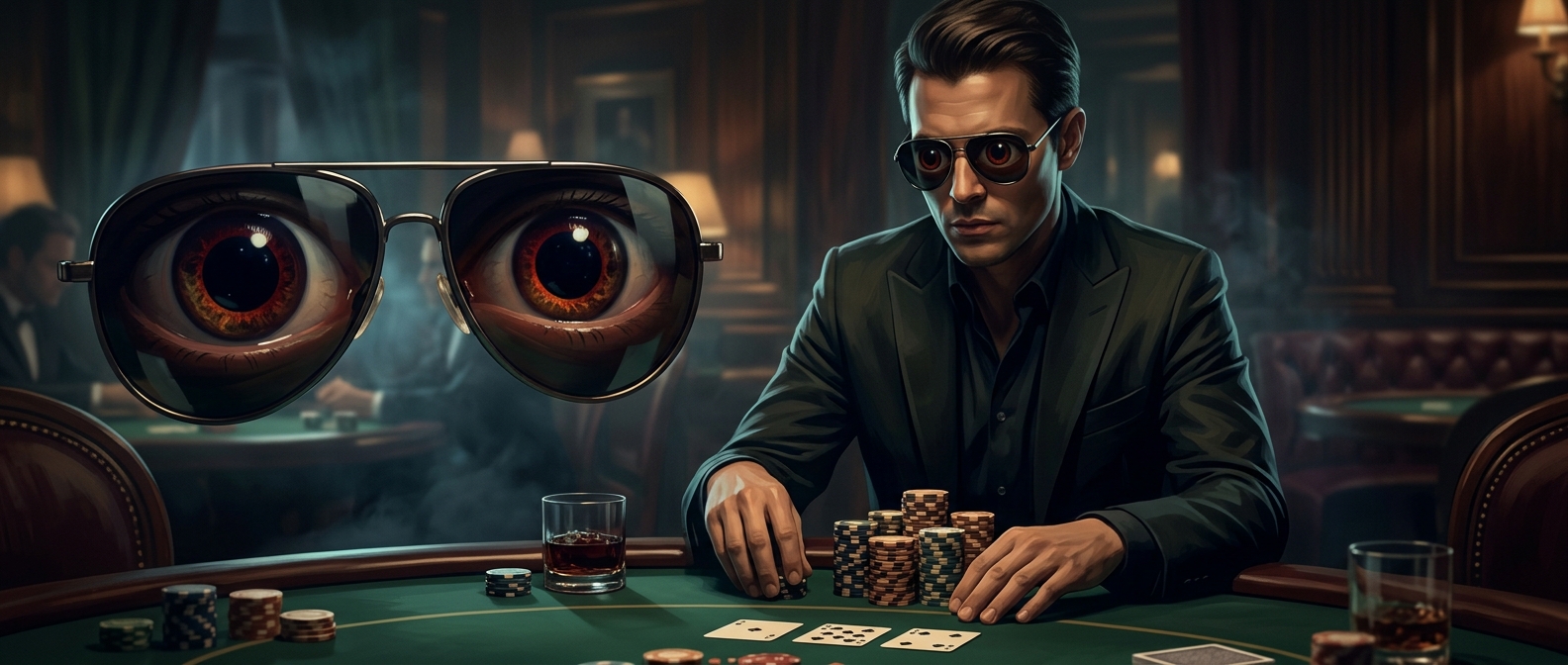
A steady expression helps by limiting visible changes that an opponent might connect to the hand. The aim is not necessarily to look emotionless; it is to avoid making one kind of hand consistently produce a revealing reaction. Players may practice keeping their face and gaze consistent whether they are bluffing or betting with a strong hand.
That consistency has a tradeoff. Trying too hard to freeze the face can itself look unusual, and an opponent may notice that departure from a player’s normal manner. Meanwhile, the face is only one source of information: timing, gestures, and betting choices can also invite interpretation.
The contest is therefore not simply about hiding a twitch. It is about making the same outward behavior compatible with different hands—so an opponent has less reason to turn a passing expression into a costly call or fold.