How a parlor game made quick reactions the point
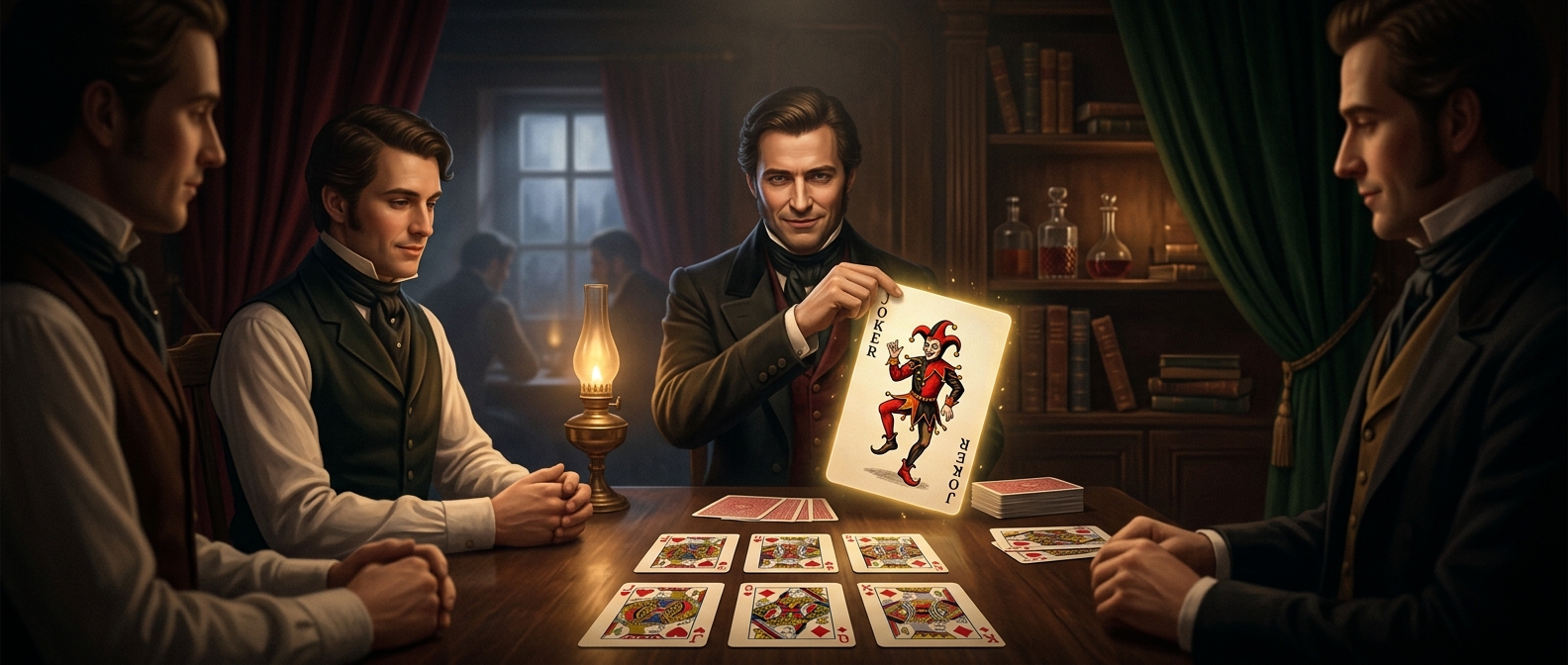
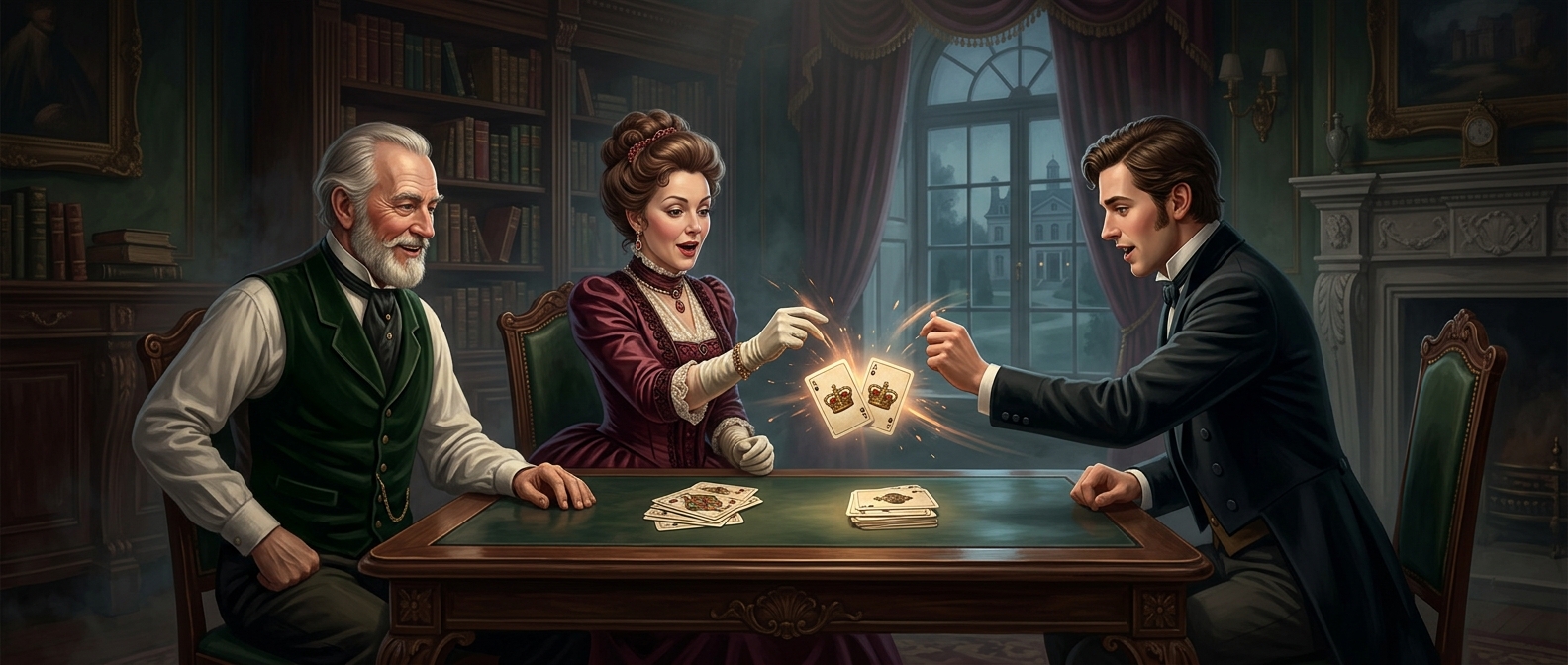
Snap turns a simple matching task into a test of attention and nerve. Players take turns laying cards face up; when two matching cards appear, the first to call “Snap!” wins the pile. The rules are easy to grasp, but the moment of recognition is fleeting: players must watch every card, spot a match, and react before anyone else.
That combination helps explain the game’s appeal in a crowded parlor. It needs little equipment beyond a deck, accommodates a group, and gives everyone a reason to stay alert even when it is not their turn. A quiet round can suddenly become noisy as several players shout at once and reach for the same cards.
From genteel pastime to lively contest
The game is often associated with wealthy families in the 1800s, who are said to have formalized it as a diversion for indoor gatherings. “Formalized” matters: the memorable feature is not elaborate equipment or strategy, but a shared rule for settling who spotted the match first. A shout makes the claim audible; grabbing the pile makes the prize immediate.
That physical scramble is also the game’s clever constraint. Players cannot simply calculate the best move in advance: the crucial event is what appears on the table, and everyone has to respond in real time. Snap makes a tiny visual coincidence feel like a contest, turning an ordinary deck of cards into a test of speed, focus, and confidence.