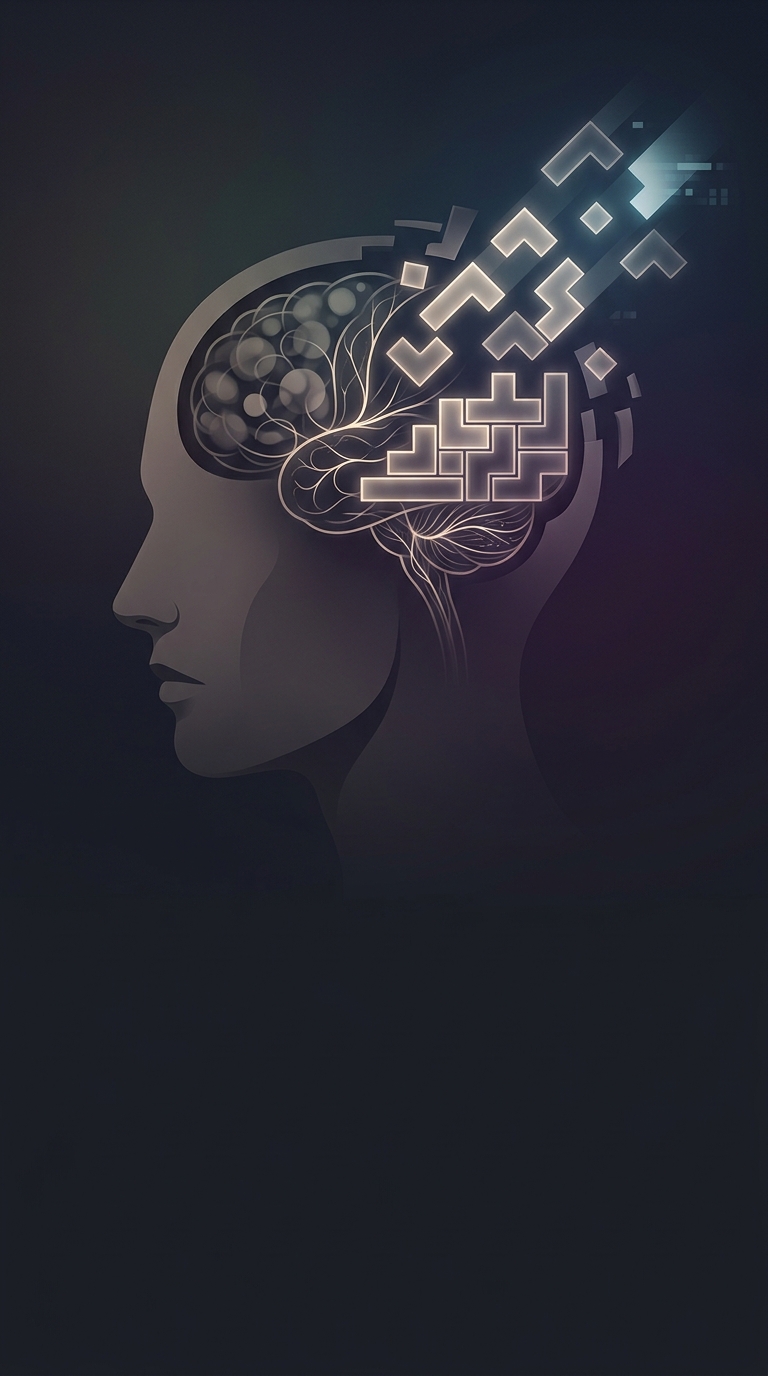
How a game keeps running in the mind
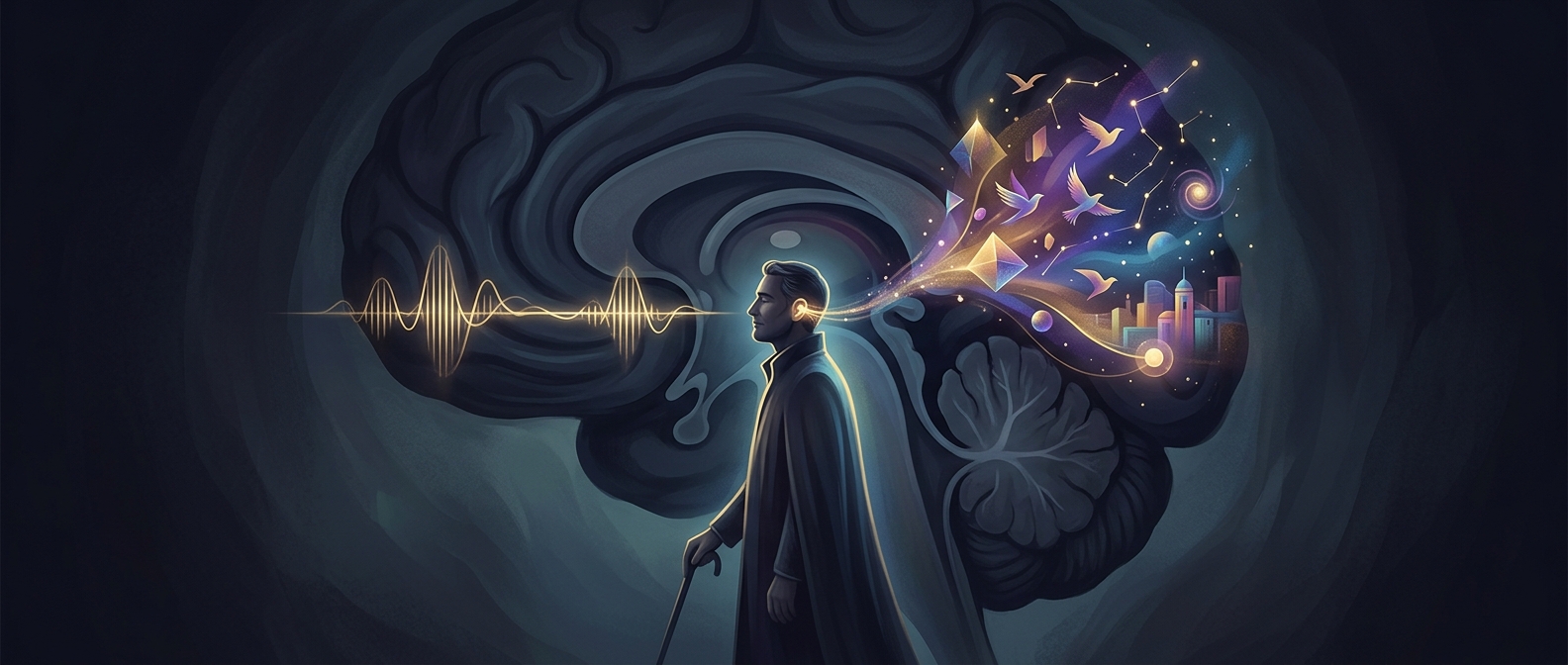
A practiced activity can leave behind a kind of mental afterimage. While playing, the brain repeatedly notices shapes, predicts what will happen next, and prepares a response. With enough repetition, those steps become familiar routines. When the screen goes dark, the routines do not switch off instantly: attention may still pick out matching shapes, and the mind may briefly replay possible moves.
This carryover is often called the Tetris effect, after the block-fitting game that made the experience easy to recognize. It can show up as visual images while drifting toward sleep, or as a sudden sense that an everyday scene resembles a puzzle. The image is generated by the mind; the blocks are not actually present.
Rehearsal leaves a short-lived imprint
The effect reflects how practice tunes perception. After concentrating on one pattern for a long stretch, the brain is primed to notice that pattern again—even in places where it has no practical use. Similar mental replay can follow other repetitive, absorbing tasks, from mentally tracing routes to arranging objects.
That is why the experience can feel oddly automatic: the person is no longer choosing to analyze the game, but familiar patterns still come to mind. Usually, the replay fades as attention shifts and ordinary routines take over. For a moment, though, a busy visual scene can seem less like scenery than a problem the mind has already learned how to solve.