Why writing can bottleneck a strong idea
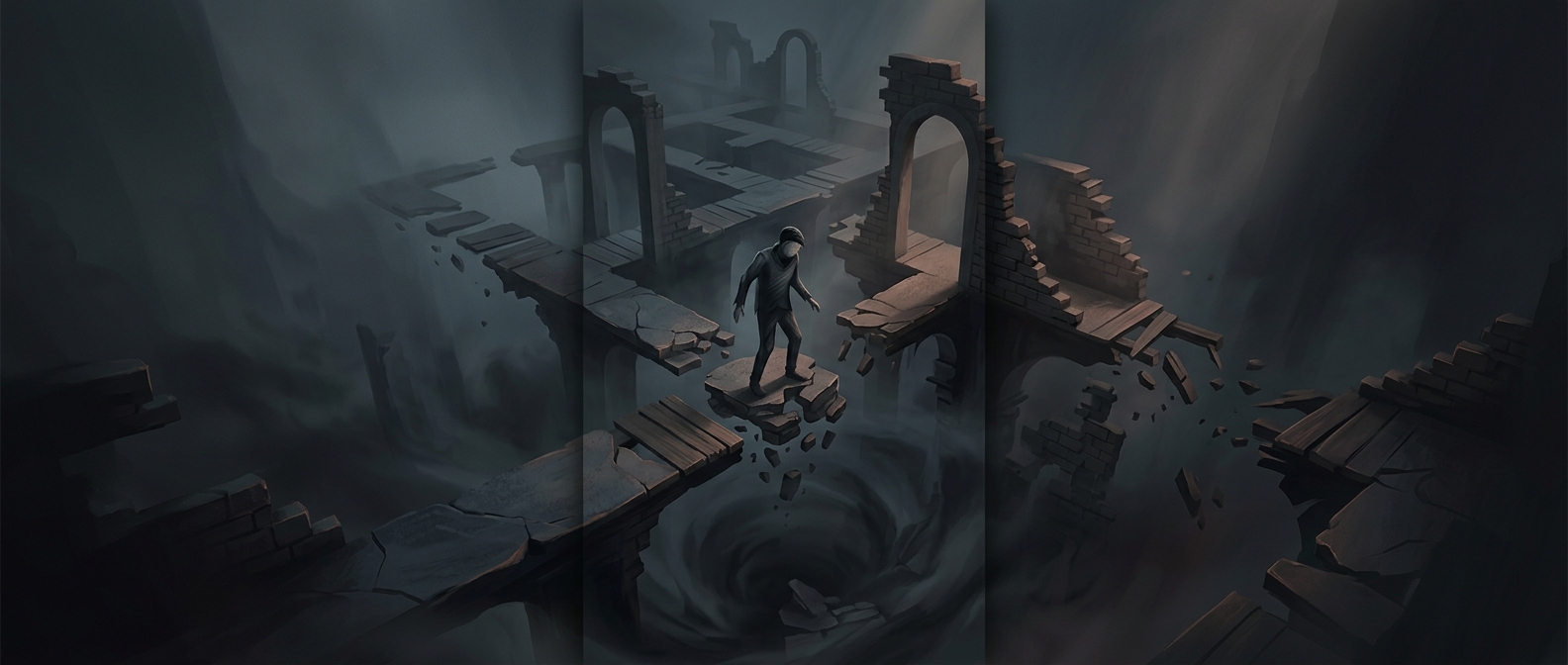
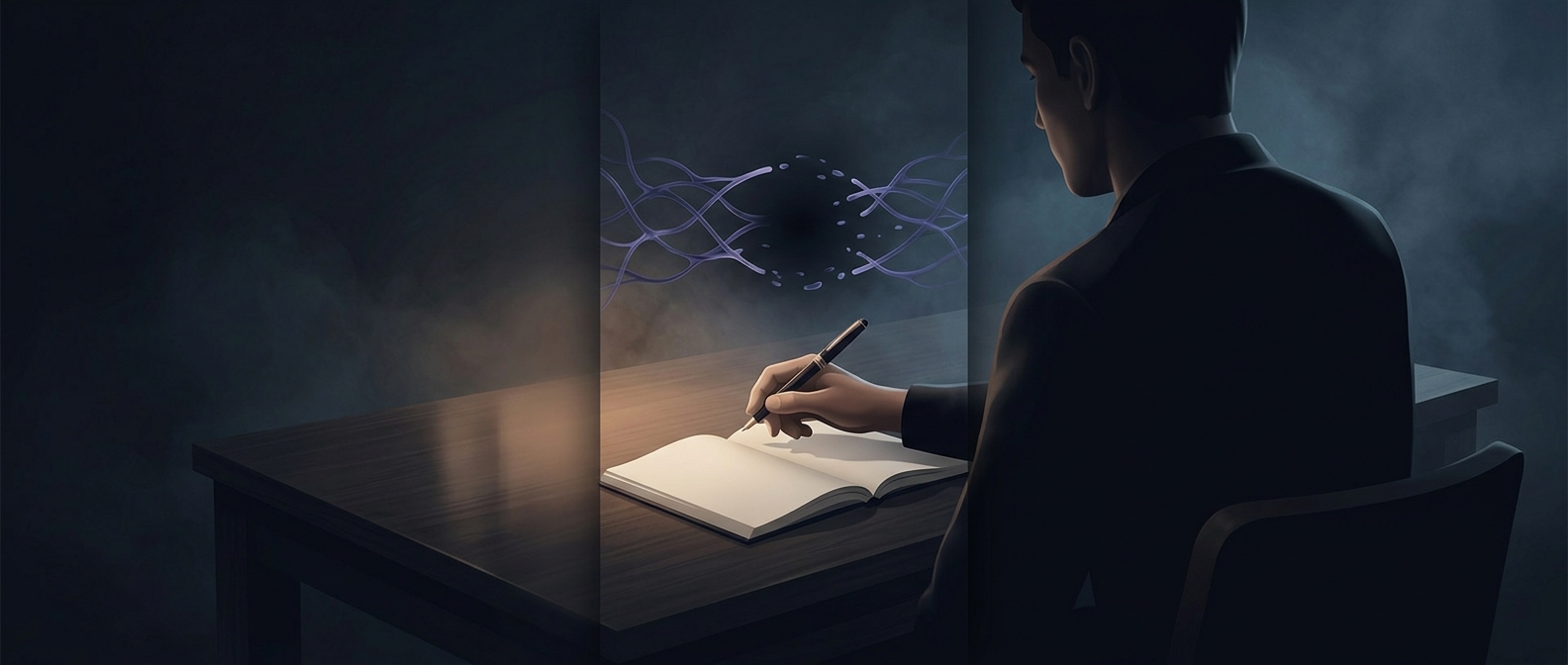
Writing is not one skill performed all at once. A person has to shape an idea into sentences, retrieve spellings, plan letter forms, move the hand, and keep track of what comes next. Dysgraphia can disrupt one or several of these processes. The difficulty may be most visible in handwriting, but it can also affect spelling, sentence construction, or organizing a longer piece.
That split helps explain why someone may give a thoughtful, detailed answer aloud and produce only a few words on paper. The ideas may be intact; the effort of getting them onto the page can consume attention and time. When letter formation is difficult, for example, a writer may have less mental capacity left to plan the next sentence or check what is already written.
The page can hide what the writer knows
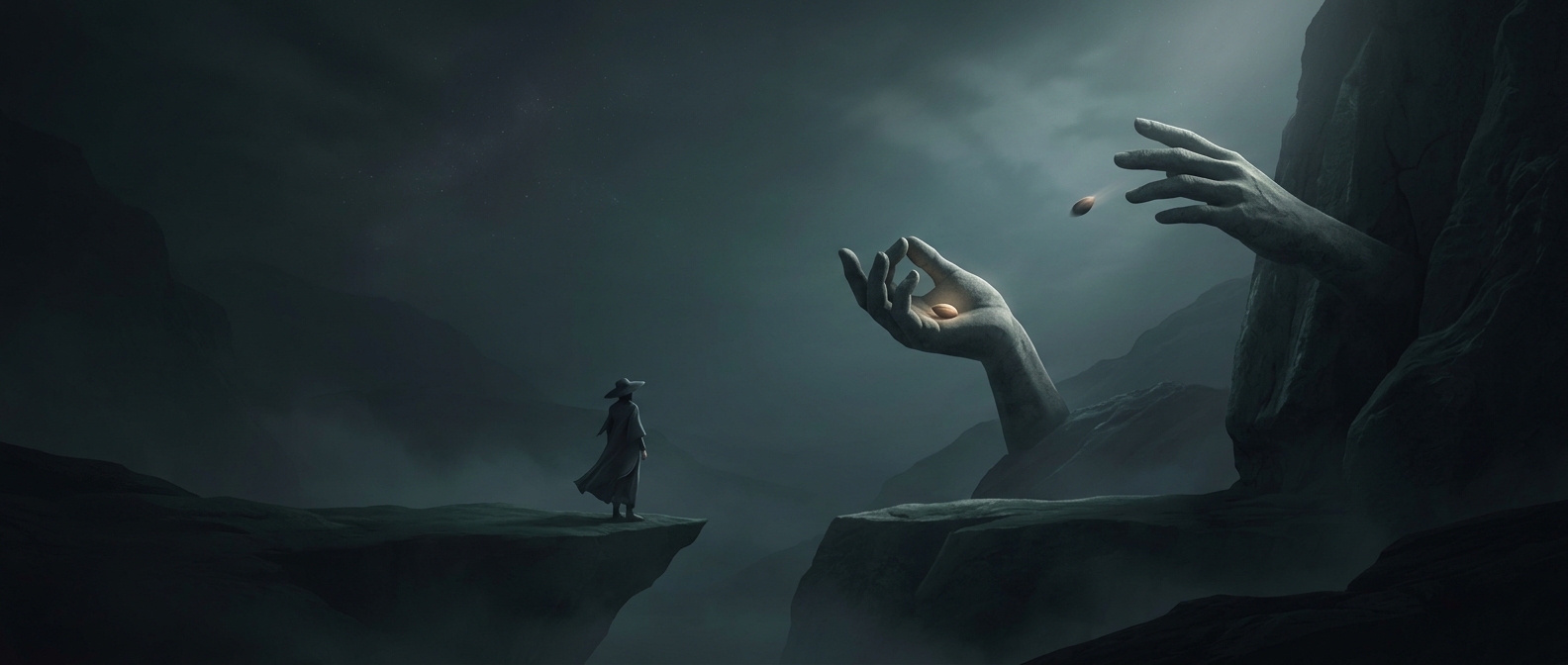
A short or messy response is therefore not a reliable measure of understanding. In a timed assignment, the person may know the material but struggle to show it before time runs out. The obstacle can also vary by task: typing may reduce the burden of forming letters by hand, while leaving spelling or organizing sentences difficult.
Recognizing which part of writing is hardest matters because the support should match the bottleneck. More time, keyboarding, or a way to give an answer orally can help reveal knowledge that handwriting alone obscures. The key distinction is between having an idea and being able to produce it in the form a task demands.