Why a Lighthouse Still Needs a Budget
A lighthouse is not just a lamp on a tower. It is a coastal structure exposed to salt, wind and waves, with electrical and optical equipment that must keep working in a harsh environment. Storm damage, corrosion and worn components can turn routine upkeep into repairs that require specialized crews and equipment—sometimes at sites that are difficult to reach.
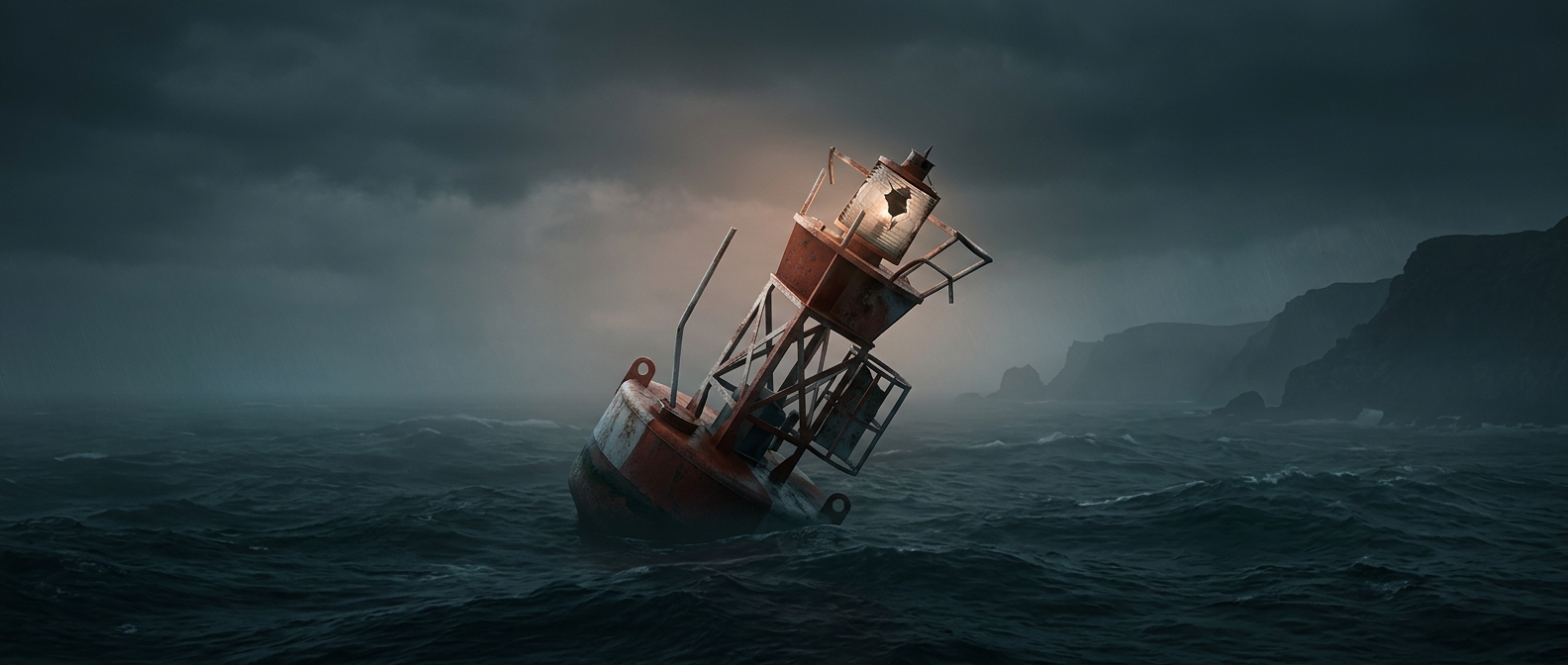
GPS helps a ship determine its position, but it does not maintain the coast or make every hazard visible. A functioning light can provide a recognizable point of reference, while other aids such as buoys and warning signals serve nearby waters. These systems complement electronic navigation; they do not all perform the same job.
Who Pays for a Shared Safety Service?
Where governments operate lighthouses, upkeep is a public expense because the benefit is spread across many users: commercial vessels, fishing boats and recreational craft may all rely on safer navigation. It is difficult to charge each passing vessel according to how much protection it received, so public agencies often fund the infrastructure through broader budgets.
That creates a practical tradeoff. Officials must weigh the cost of repairing a particular station against other safety needs and against alternatives such as different navigation aids. But letting a light deteriorate can remove a useful layer of protection precisely where rough conditions make navigation more demanding. The bill is for more than keeping a beacon shining; it is for preserving a safety system that ships can use without having to negotiate a separate fee each time they pass.